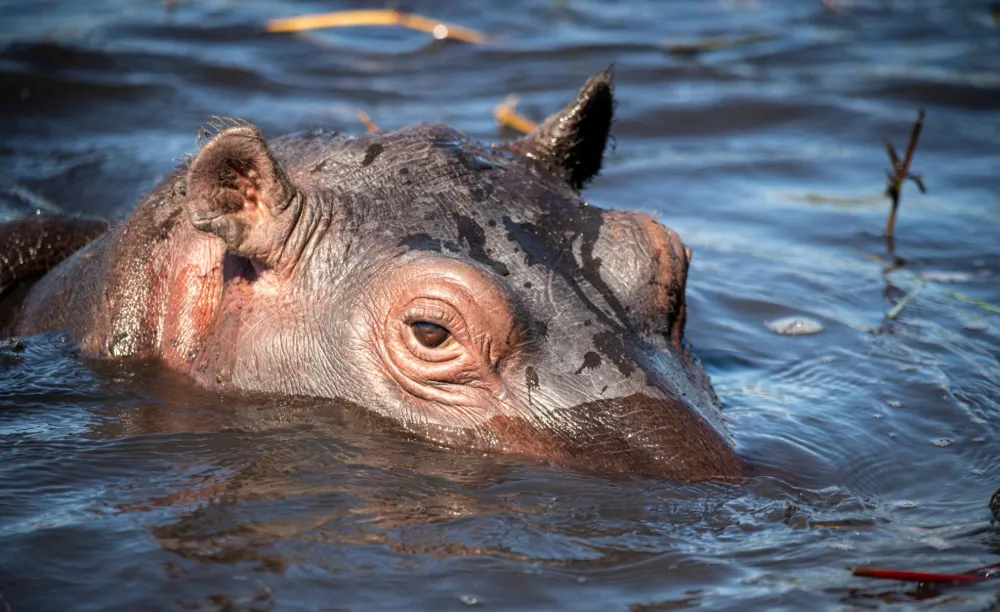
Do Hippos Sweat Blood?
No, hippos do not literally sweat blood. Hippopotamuses produce a special skin secretion that is initially nearly colorless but turns reddish-orange and eventually brown. Its appearance comes from two natural pigments, hipposudoric acid and norhipposudoric acid, rather than blood. Research has shown...
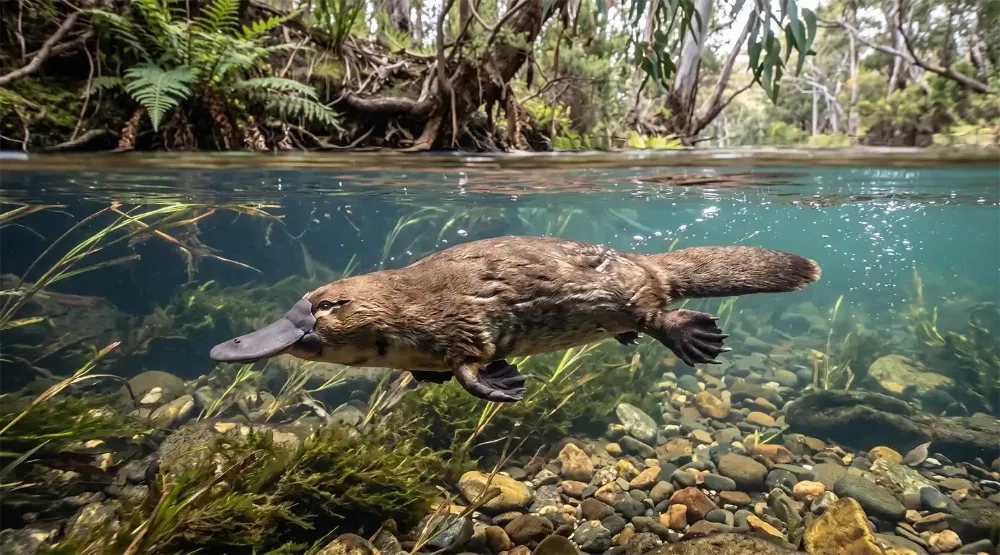
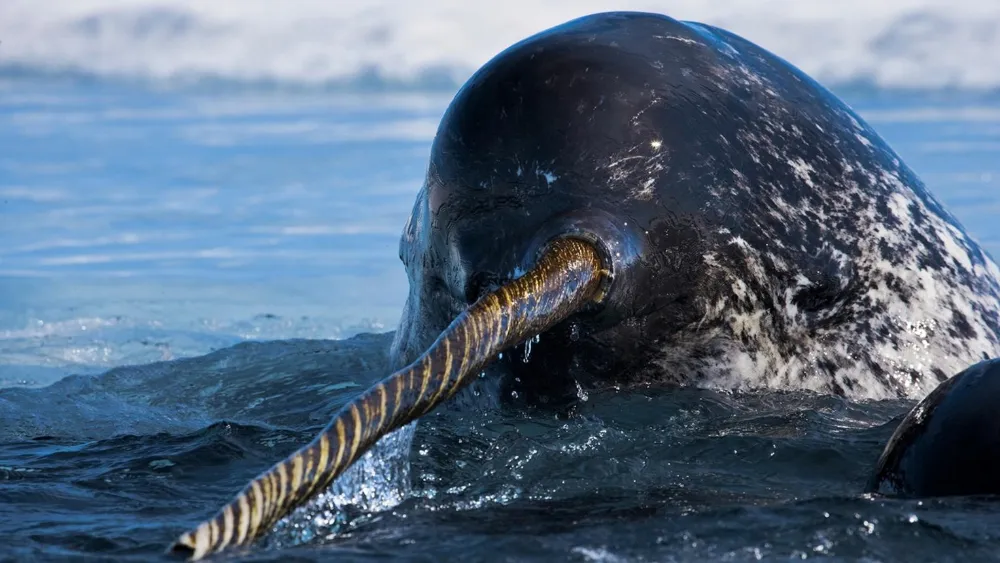
Why Do Narwhals Have Tusks?
Narwhals have tusks primarily because the elongated tooth is thought to play a role in sexual selection, especially in interactions among males. The tusk is not a horn: it is a modified tooth that usually grows from the left side of the upper jaw and projects forward through the upper lip. Scientifi...
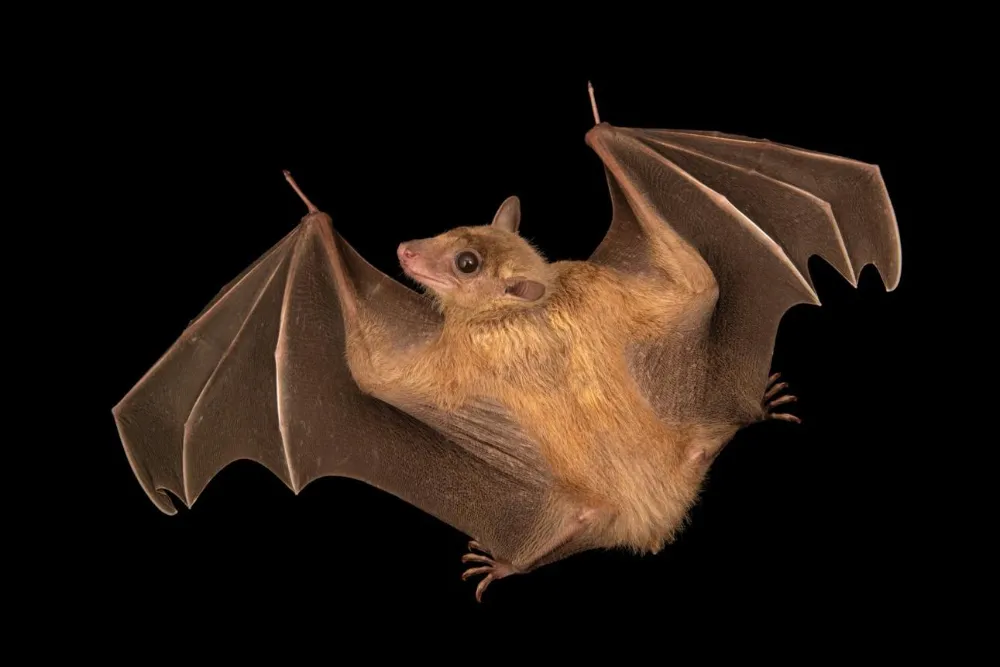
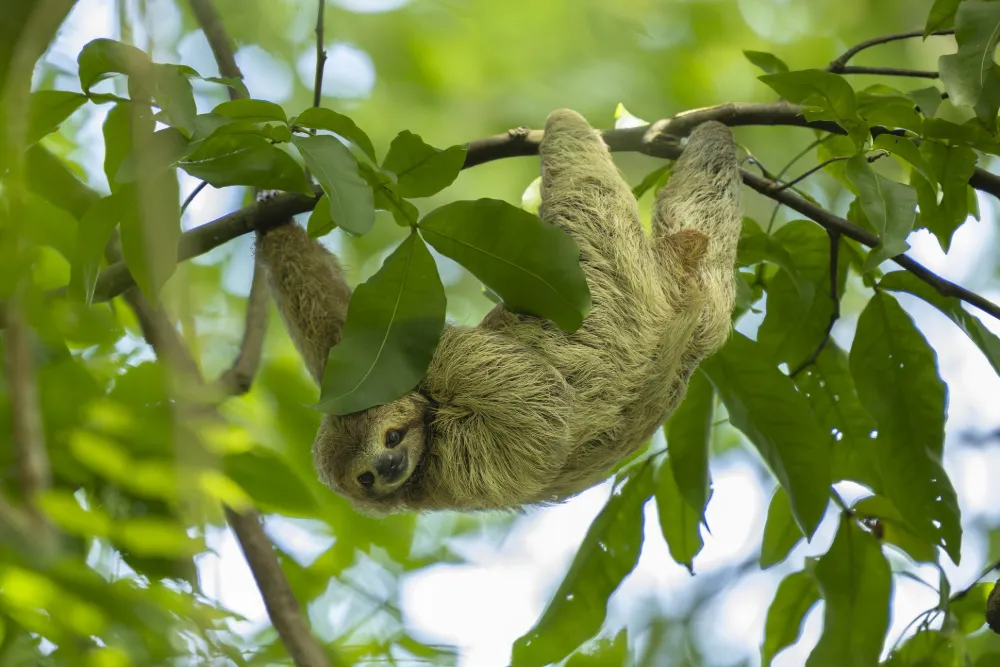
Why Are Sloths So Slow? The Science Explained
Sloths move so slowly because their bodies are adapted to conserve energy. Their low-energy diets, unusually low metabolic rates, slow digestion, and economical methods of regulating body temperature all favor a lifestyle built around careful, deliberate movement. Sloths are not simply lazy animals....
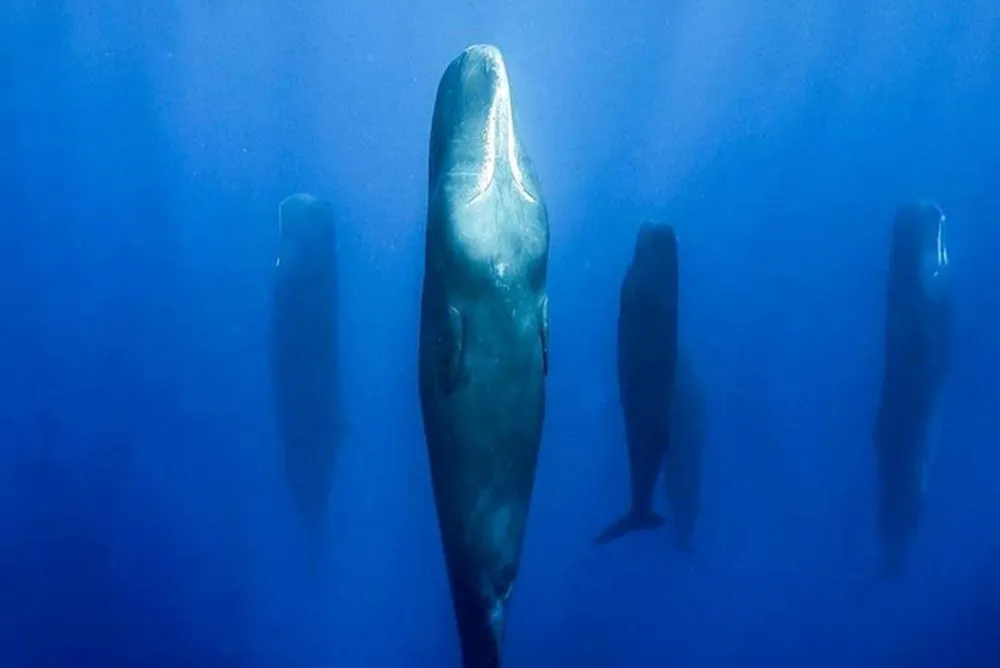
Do Whales Sleep? How Whales Rest and Breathe
Yes, whales sleep, but they do not sleep exactly like humans. Whales are air-breathing mammals, so they must continue reaching the surface to breathe while resting. Research on dolphins and other cetaceans has revealed an unusual pattern called unihemispheric slow-wave sleep, in which one side of th...
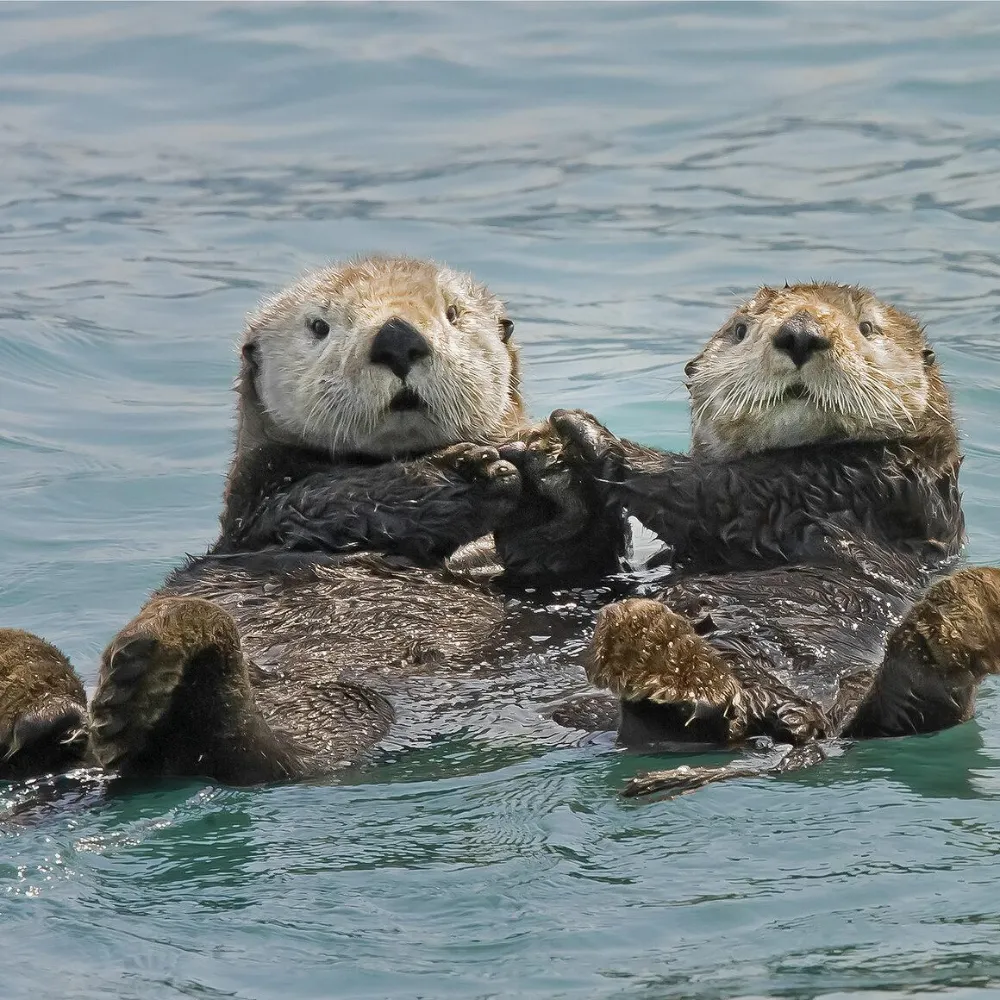
Why Do Sea Otters Hold Hands? The Real Reason
Sea otters sometimes hold hands, or more accurately paws, while resting on the ocean surface to help prevent themselves from drifting apart. However, this behavior is much less common in the wild than popular photographs and videos suggest. Sea otters often rest together in floating groups called ra...
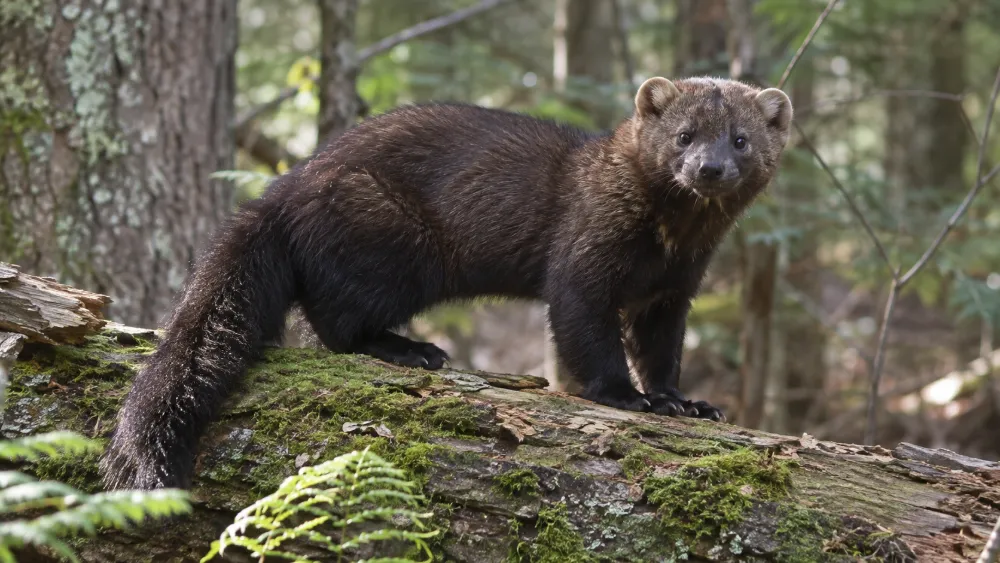

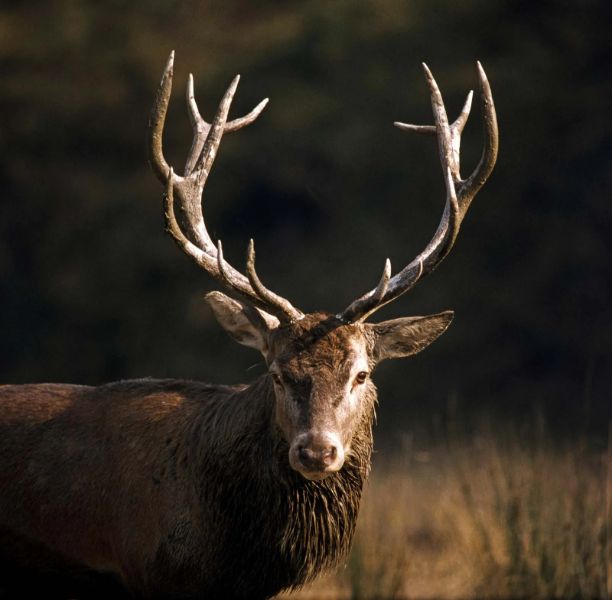
9 of the World’s Deadliest Mammals: Dangerous Species and Why They Kill
When most people think of mammals, they picture animals that feel familiar: pets, farm animals, wildlife documentaries, and the soft, warm creatures children grow up loving. Mammals are often seen as intelligent, social, and even comforting. But some mammals can also be extremely dangerous.In truth,...
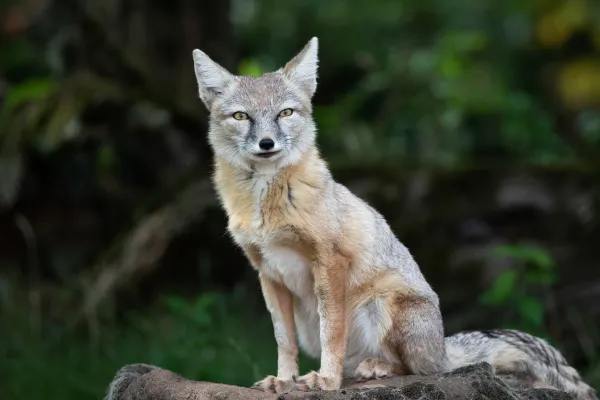
Corsac Fox (Vulpes corsac): Facts, Habitat, Diet, Behavior, and Conservation
The corsac fox, also called the steppe fox, is a small wild canid adapted to the dry open landscapes of Central Asia. It lives mainly in steppes, semi-deserts, and dry grasslands, where it survives with sharp senses, flexible feeding habits, and an ability to use underground dens to escape heat, col...

What Are Marine Mammals?
Marine mammals are a remarkably diverse group, including around 120 recognized species. Scientists believe they evolved from land-dwelling mammals about 66 million years ago, which gradually returned to the sea. Over millions of years, these animals developed a wide range of unique physiological and...
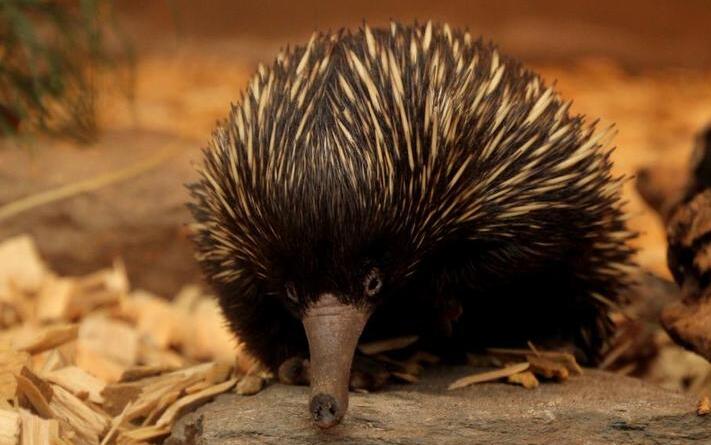
Tachyglossidae
Echidna, or Tachyglossidae, is commonly known as the spiny anteater. It is a surviving monotreme along with the platypus. There are three genera and six species in this family, of which the giant echidna is extinct, and the other two genera live in Australia and New Guinea.Echidna is a warm-blooded...
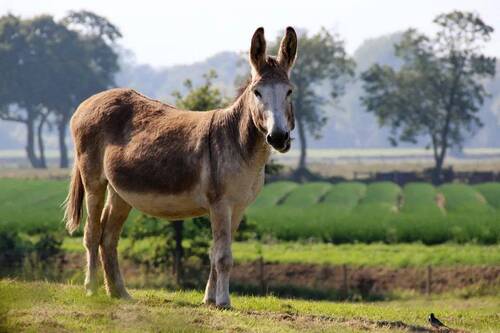
Equus africanus asinus
Donkey (scientific name: Equus africanus asinus, Equus asinus foreign name: donkey) alias: donkey, donkey, is a common domestic animal of the genus Equus of the family Equus, a mammal, like a horse, but smaller than a horse, with longer ears and face, a slightly narrower chest, mostly gray-brown hai...

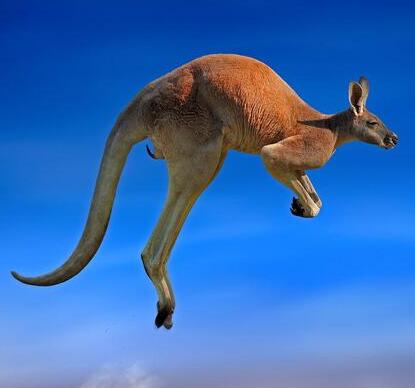
kangaroo
Kangaroo (English: kangaroo, ganguro) is a mammal belonging to the genus Macropodidae, family Macropodidae, order Diprotodonta. The word "kangaroo" usually refers to the four largest species in the family Macropodidae, namely the red kangaroo, the eastern grey kangaroo, the western grey ka...