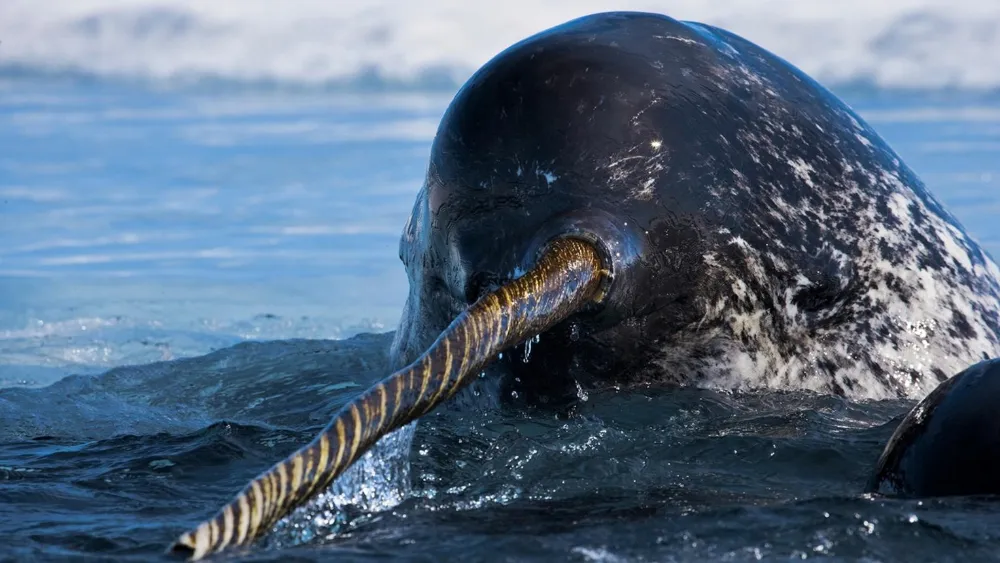
Why Do Narwhals Have Tusks?
Narwhals have tusks primarily because the elongated tooth is thought to play a role in sexual selection, especially in interactions among males. The tusk is not a horn: it is a modified tooth that usually grows from the left side of the upper jaw and projects forward through the upper lip. Scientifi...
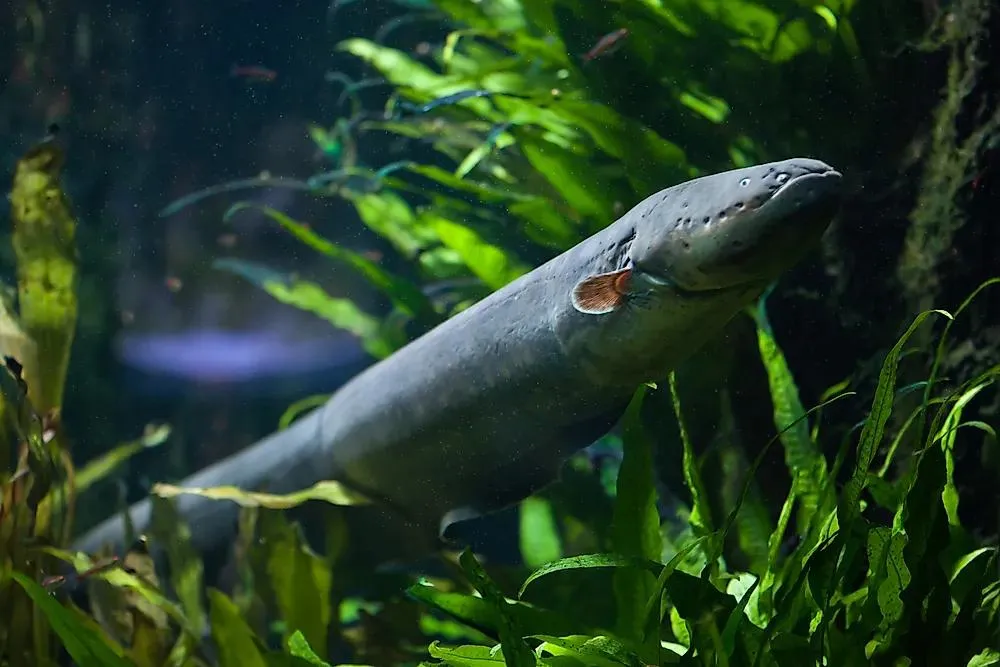
How Do Electric Eels Produce Electricity?
Electric eels produce electricity using specialized cells called electrocytes, which are arranged in large stacks inside their electric organs. When nerve signals activate these cells, charged ions move across their membranes, creating small electrical differences. Thousands of electrocytes working...
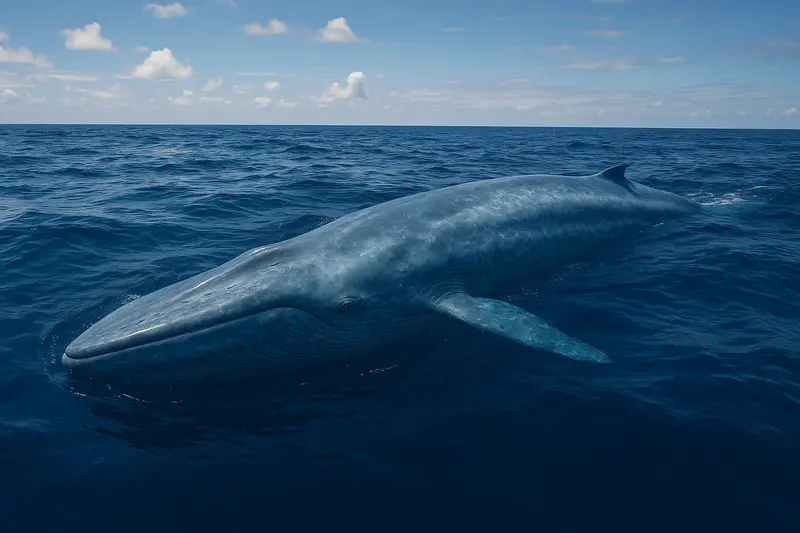
The 25 Biggest Living Things on Earth — From Micro Giants to Nature’s Titans
When we think about life on Earth, whales, elephants, and giant trees might come to mind—but the true spectrum of “bigness” includes viruses, bacteria, jellyfish, fungi, and even entire forests that count as a single organism.This list takes you on a mind-blowing journey through the largest known...
Ancestor types of humans and mammals
A large number of primitive mammal fossil skeletons discovered in the Triassic strata of South Wales, England, are representatives of the earliest mammals on the earth. Paleontologists named them Morganotherium and placed them in the subclass Eotherium and the order Stylodontia....
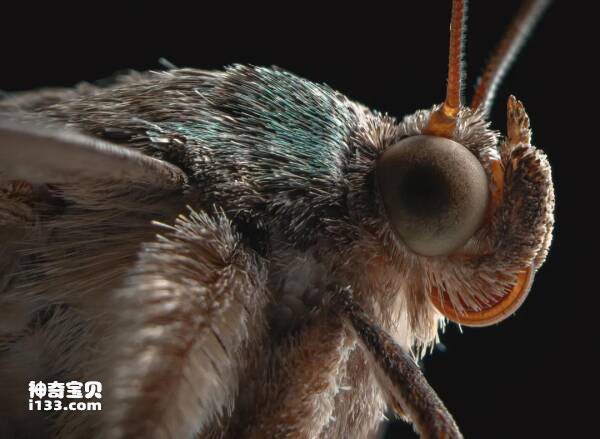
Inspirations from insects to humans (the function of tentacles)
Annoying flies seem to have nothing to do with the grand aerospace industry, but scientists have noticed that the infamous "stinky husband" - the fly, has an amazing sense of smell. They can detect subtle odors from great distances. The olfactory receptors of flies are distributed on the ante...

Insect tentacles with various shapes
Except for Protocera, which has no antennae, and higher Diptera and Hymenoptera larvae, which have degenerated antennae, all other species of insects have one pair of antennae. The tentacles grow in the middle and upper part of the insect's two compound eyes. When the insect is active, these...
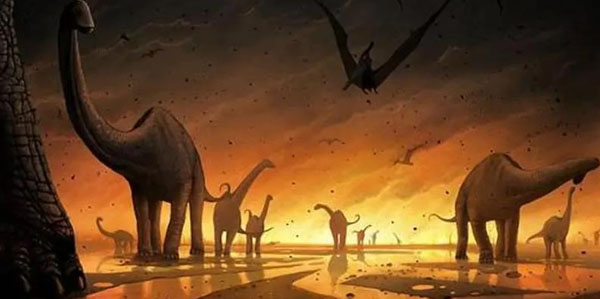
How did the dinosaurs become extinct? Have dinosaurs really disappeared?
There may be multiple versions of the story of the destruction of the world, and the extinction of life directly caused by an asteroid impact is only one of them. Were the massive climate changes that led to the extinction of the dinosaurs caused by volcanic eruptions? Or was it caused by an asteroi...