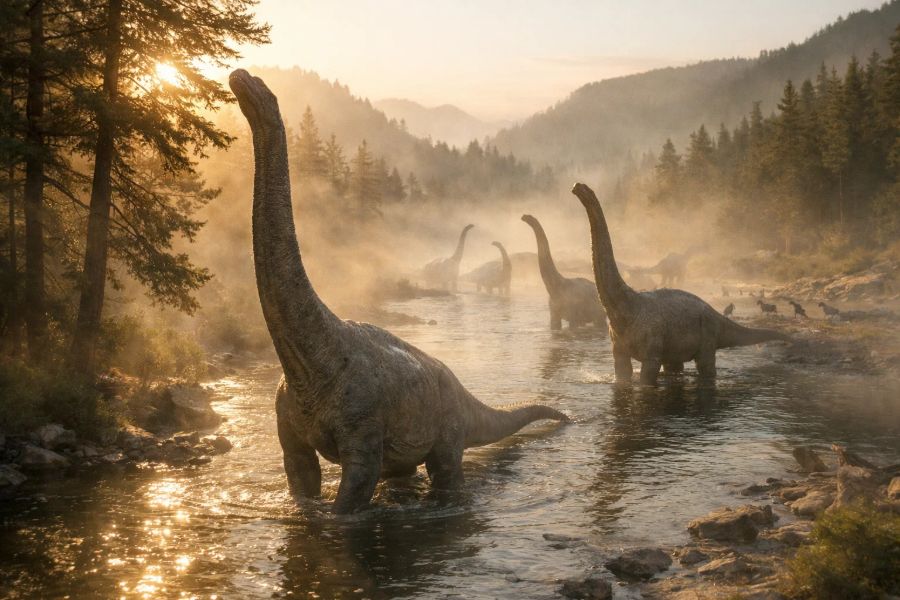
Long-Neck Dinosaurs: How Sauropods Built the Greatest Reaching Machines in Earth’s History
1) What people mean by “long-neck dinosaur”When most people say “long-neck dinosaur,” they’re usually talking about sauropodomorphs—especially sauropods, the giant, four-legged herbivores such as Diplodocus, Apatosaurus, and Brachiosaurus. These animals evolved necks that could exceed 6–9 met...
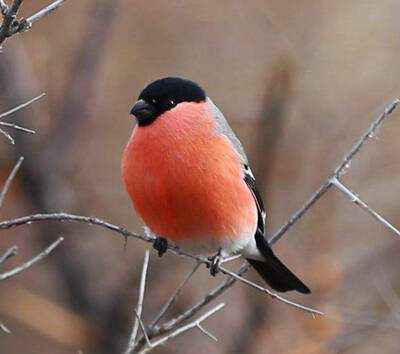
Parus davidi
Rusty-breasted Tit, a small bird with no subspecies.Except for the breeding season when they move in pairs, red-breasted tits usually move in small groups of a few to more than 10 in other seasons. They are mostly found among the lower branches and leaves of the canopy and in the bamboo and shrubs u...
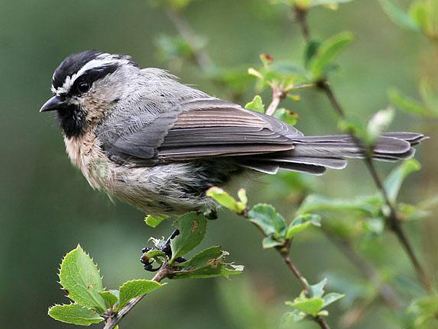
Parus superciliosus
White-browed Tit is a species endemic to China with no subspecies.White-browed Tit likes to form small groups, sometimes mixed with warblers to feed in high mountain dwarf cypress trees and rhododendron bushes.The call of the white-browed tit: a noisy, crisp bell-like whistle, similar to the beeping...

Argyrosaurus
Argyrosaurus was a large long-necked plant-eating dinosaur from the Late Cretaceous of South America. It belonged to the titanosaurs, the group of sauropods that became especially important during the later part of dinosaur history. Although Argyrosaurus is not known from a complete skeleton, it rem...

Aeolosaurus
Aeolosaurus was a long-necked plant-eating dinosaur from the Late Cretaceous of South America. It belonged to the titanosaurs, the sauropod group that became especially important during the later part of dinosaur history. Although Aeolosaurus is not as famous as gigantic titanosaurs such as Argentin...

Adamantisaurus
Adamantisaurus was a long-necked plant-eating sauropod from the Late Cretaceous of Brazil. It belonged to the titanosaurs, the group of sauropods that became especially important during the later part of dinosaur history. Although Adamantisaurus is not known from a complete skeleton, it remains sign...

Laplatasaurus
Laplatasaurus was a long-necked plant-eating dinosaur from the Late Cretaceous of South America. It belonged to the titanosaurs, a major group of sauropods that became especially important during the final part of dinosaur history. Although Laplatasaurus is not as famous as giants such as Argentinos...

Neuquensaurus
Neuquensaurus was a long-necked plant-eating dinosaur from the Late Cretaceous of South America. It belonged to the titanosaurs, a major sauropod group that became especially successful during the later part of dinosaur history. Unlike the giant record-holding sauropods, Neuquensaurus was more moder...

Argentinosaurus
Argentinosaurus was a gigantic long-necked plant-eating dinosaur from the Late Cretaceous of South America. It is usually classified as a titanosaur, a group of sauropods that included some of the largest land animals ever to live. Although its fossil remains are incomplete, Argentinosaurus has beco...

Titanosaurus
Titanosaurus is a famous name linked to the giant long-necked dinosaurs known as titanosaurs. In strict scientific usage, Titanosaurus refers to a historical dinosaur genus described from India in the Cretaceous. However, because the original fossils were fragmentary, many researchers consider Titan...

Bonatitan
Bonatitan (scientific name: Bonatitan reigi) was a titanosaur sauropod from the Late Cretaceous of Patagonia, Argentina. Titanosaurs were among the last surviving long-necked sauropods and remained successful in South America until very late in the Cretaceous.Time PeriodBonatitan is placed in the Cr...

Baurutitan
Baurutitan was a titanosaur sauropod from the Late Cretaceous of Brazil. Titanosaurs were among the last surviving groups of long-necked sauropods, thriving across South America shortly before the end-Cretaceous extinction.Time PeriodBaurutitan lived in the Cretaceous Period (more specifically, Late...

Barrosasaurus
Barrosasaurus (Barrosasaurus casamiquelai) was a titanosaur sauropod from the Late Cretaceous of Patagonia, Argentina. Titanosaurs were long-necked, plant-eating dinosaurs that became especially diverse in the Southern Hemisphere near the end of the dinosaur era. Barrosasaurus is known from limited...

Malarguesaurus
Malarguesaurus (Malarguesaurus florenciae) was a titanosauriform sauropod from the Late Cretaceous of Argentina. Like other sauropods, it was a large, long-necked, plant-eating dinosaur that walked on four pillar-like legs. Malarguesaurus is best known from incomplete fossils, but it adds important...

Muyelensaurus
Muyelensaurus (Muyelensaurus pecheni) was a titanosaur sauropod from the Late Cretaceous of Patagonia, Argentina. Unlike many giant titanosaurs, Muyelensaurus is often described as more slender and small-to-medium sized, with a lighter overall build compared with the largest members of the group.Qui...

Pellegrinisaurus
Pellegrinisaurus (Pellegrinisaurus powelli) was a titanosaur sauropod from the Late Cretaceous of Patagonia, Argentina. Titanosaurs were long-necked, plant-eating dinosaurs that became especially diverse in the Southern Hemisphere near the end of the dinosaur era. Although Pellegrinisaurus is known...
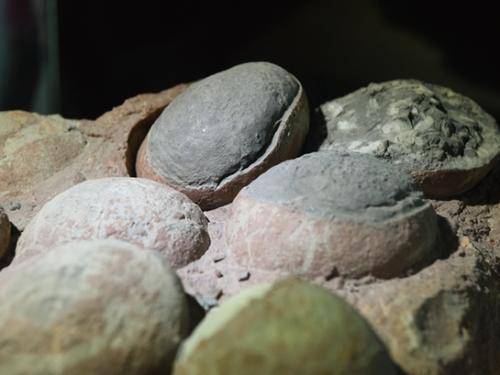
How big is the largest dinosaur egg? More than 100 tons?
Dinosaurs are oviparous reptiles, and like birds, they reproduce by laying eggs. We know that some bird eggs are very large, such as goose eggs, which weigh about half a catty (250 grams), and ostrich eggs can reach about 1,500 grams. , so how big should a dinosaur egg be?In fact, dinosaurs came in...
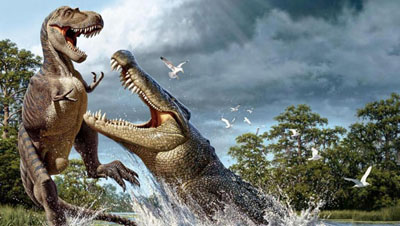
Ten prehistoric beasts, each more ferocious than the last
Huge prehistoric creatures once lived on the earth. They were ferocious and terrifying, even bigger and more ferocious than dinosaurs. When I see them, I just want to be glad that they don't live with humans for a century, otherwise they could make humans extinct. First p...