What are the most expensive turtles in the world? Golden coin turtles, ploughshare tortoises, Chinese red-necked pond turtles, Yunnan box turtles, and Burmese star tortoises are among the rare species associated with high demand, restricted availability, or conservation concerns. However, there is no reliable worldwide price ranking that applies to every country and year.
A rare turtle's reported market value is not the same as its legal sale price. Some of the world's most sought-after species are threatened by illegal wildlife trade, while many familiar pet turtles are relatively common in lawful captive-breeding programs.
This guide examines five notable species, explains why turtle prices vary so much, and separates conservation facts from exaggerated online price claims.
Quick Comparison: Five Rare and Highly Sought-After Turtles
| Species | Scientific Name | Native Range | Why It Is Notable |
|---|---|---|---|
| Golden Coin Turtle | Cuora trifasciata | Southern China | Historic demand, rarity and cultural significance |
| Ploughshare Tortoise | Astrochelys yniphora | Madagascar | Extremely restricted range and severe poaching pressure |
| Chinese Red-Necked Pond Turtle | Mauremys nigricans | Southern China | Highly threatened wild populations and collector demand |
| Yunnan Box Turtle | Cuora yunnanensis | China | Exceptional rarity and a history of being considered extinct |
| Burmese Star Tortoise | Geochelone platynota | Myanmar | Distinctive shell pattern and conservation breeding efforts |
Note: This table is an educational comparison, not a ranking of verified sale prices. Legal availability, permits, captive-breeding history and regional restrictions differ substantially among species.
1. Golden Coin Turtle (Cuora trifasciata)
The golden coin turtle, also called the Chinese three-striped box turtle, is one of Asia's best-known examples of a turtle affected by intense demand.
Its common name reflects its historical cultural and monetary significance. The species has attracted attention from collectors and breeders, while wild populations have suffered from overcollection and habitat degradation.
The Cuora Conservation Center identifies it as a particularly sought-after turtle in China and documents the serious conservation pressures affecting the species.
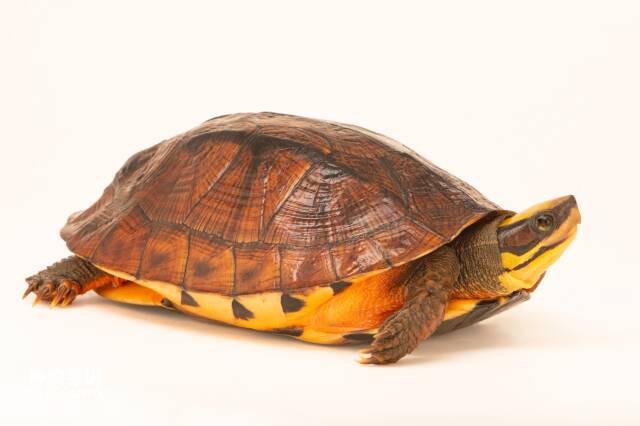
Golden coin turtle (Cuora trifasciata), a rare Asian box turtle.
Why is the golden coin turtle so valuable?
Several factors have historically influenced demand:
Its distinctive appearance and traditional cultural associations.
Severe declines in wild populations.
Interest from specialist collectors and breeding programs.
Differences between documented captive-bred animals and illegally collected wild turtles.
Claims that golden coin turtles always sell for millions of dollars should be treated with caution. Such claims often lack a date, verified transaction, geographic market, or distinction between legal and illegal trade.
Source: Cuora Conservation Center — Cuora trifasciata.
2. Ploughshare Tortoise (Astrochelys yniphora)
The ploughshare tortoise, also called the angonoka, is endemic to northwestern Madagascar. It is famous for its high-domed shell and the distinctive projection extending from the front of its lower shell.
The IUCN Red List has assessed the species as Critically Endangered. Its restricted distribution and history of illegal collection make it an important example of how demand can endanger a species rather than simply make it commercially valuable.

Ploughshare tortoise, a critically endangered species native to Madagascar.
Can ploughshare tortoises legally be sold?
This is not a normal commercial pet species. It is included in CITES Appendix I, under which international trade is subject to exceptionally strict controls.
Reported illegal-market prices should not be interpreted as legitimate retail valuations. The priority for this species is conservation, protection from poaching, and carefully managed recovery efforts.
Source: IUCN Red List — Ploughshare Tortoise.
3. Chinese Red-Necked Pond Turtle (Mauremys nigricans)
The Chinese red-necked pond turtle is also known as the black-necked pond turtle. It is associated with streams and freshwater habitats in southern China.
Research published by the IUCN Tortoise and Freshwater Turtle Specialist Group documents its restricted distribution, intense collection pressure, and serious conservation concerns.
Its rarity in the wild has contributed to specialist interest, but the existence of captive-breeding programs means the status and lawful availability of an individual turtle cannot be judged simply by its common name.
Why is it considered a rare turtle?
The species faces a combination of limited habitat, historical overcollection, and demand from the turtle trade. Conservation researchers have emphasized the need for habitat protection and better knowledge of remaining wild populations.
Source: IUCN Turtle Specialist Group — Mauremys nigricans.
4. Yunnan Box Turtle (Cuora yunnanensis)
The Yunnan box turtle has one of the most unusual conservation histories among Asian freshwater turtles. It was previously considered extinct before surviving individuals were documented.
According to a specialist species account updated in 2026, the Yunnan box turtle is classified as Critically Endangered, with its extremely limited distribution in China making conservation particularly important.
Its extraordinary rarity has generated scientific and conservation interest, but it would be misleading to assign it a universal commercial price.
For a species this scarce, conservation status, lawful provenance, and regulatory controls matter far more than an unsupported online price estimate.
Source: IUCN Turtle Specialist Group — Yunnan Box Turtle.
5. Burmese Star Tortoise (Geochelone platynota)
The Burmese star tortoise is native to Myanmar and is recognized for the striking pale star-like patterns on its shell.
The species experienced severe historical declines associated with harvesting and illegal trade. Conservation breeding programs have played an important role in efforts to protect it.
Its attractive appearance should not obscure the conservation challenges facing wild populations.
As with other protected reptiles, any legal transfer or international movement depends on the regulations in the relevant countries and the animal's documented origin.
Source: IUCN Turtle Specialist Group — Burmese Star Tortoise.
Why Are Some Turtle Species So Expensive?
Several factors can influence reported turtle prices, but they should not be confused with conservation value or legal ownership rights.
1. Genuine rarity
A species with a very restricted distribution or a severely reduced population may receive more attention from collectors. Unfortunately, that demand can create additional pressure on wild populations.
2. Captive-breeding availability
Documented captive breeding can affect availability. However, a claim that an animal was captive-bred does not automatically establish that its possession or international trade is legal.
3. Species identification
Some turtles have similar common names or appearances. Misidentified species, hybrids, and differences in scientific classification make broad price comparisons unreliable.
4. Local regulations
Wildlife protection laws differ between countries and sometimes between states or provinces. A species legally held in one location may be restricted elsewhere.
5. Age, origin, and documentation
For species that may lawfully be kept or transferred, age, origin, captive-breeding records, and required paperwork can affect availability and lawful transactions.
Are Rare Turtles Always More Expensive Than Common Pet Turtles?
No. Rare and threatened species should not be compared to ordinary captive-bred pet turtles as if they belonged to one transparent international retail market.
Commonly kept species such as red-eared sliders and some tortoises may be much more widely available in regions where their sale is legal. Even these animals can require substantial care, appropriate enclosures, filtration or heating, and long-term veterinary attention.
For example, the red-footed tortoise is a familiar species in reptile-keeping discussions, but it should not be placed among the world's most expensive tortoises without credible price evidence.
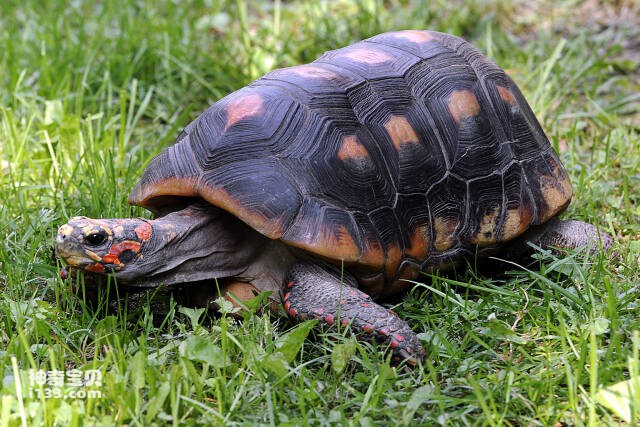
Red-footed tortoise, shown here as a comparison with exceptionally rare species.
The distinction between aquatic turtles and land-dwelling tortoises also matters when comparing species. Read our Turtle vs Tortoise comparison to understand their different habitats and body structures.
What About the Angulate Tortoise?
Some older expensive-turtle lists incorrectly describe the angulate tortoise as a rare tortoise from Madagascar. In fact, Chersina angulata, also called the bowsprit tortoise, is native to southern Africa.
Although it is an interesting species, its inclusion in a global most-expensive ranking requires actual market evidence rather than an assumption based on its appearance.
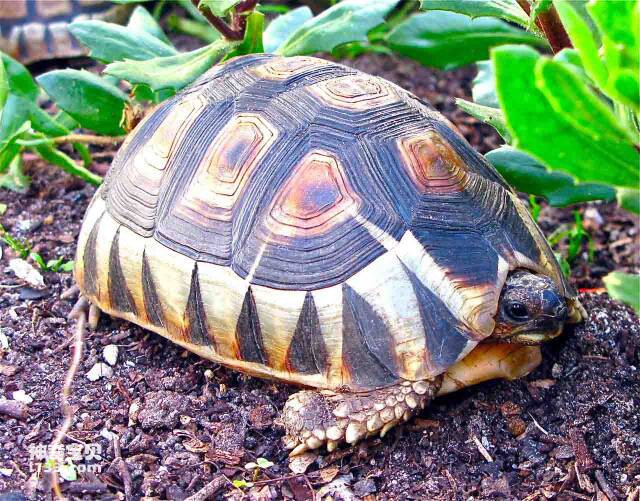
Angulate tortoise (Chersina angulata), a southern African species.
Can You Legally Own an Expensive Turtle?
Legal ownership depends on the species, origin, location, and relevant national or regional regulations.
Some turtles are protected under the Convention on International Trade in Endangered Species of Wild Fauna and Flora (CITES). CITES uses different appendices to regulate international trade according to conservation needs.
Appendix I generally provides the strictest international trade controls, while Appendix II covers species for which regulated trade is required to avoid threats from unsustainable use.
Domestic wildlife laws may also impose additional restrictions. Buyers and keepers should never assume that a seller's advertisement or purchase receipt alone establishes legal compliance.
Read the official CITES guide for an explanation of how international wildlife-trade controls work.
Does an Expensive Turtle Make a Better Pet?
No. Price is not a reliable indicator of suitability as a pet.
Turtles and tortoises can require specialized care for decades. Aquatic species often need substantial swimming space, filtration, basking areas, and appropriate lighting. Terrestrial tortoises need species-specific enclosures, temperature control, nutrition, and space.
In addition, the illegal collection of wild turtles can threaten already vulnerable species and damage natural populations.
Anyone considering a turtle should prioritize animal welfare, lawful origin, and long-term care requirements rather than rarity or prestige.
Frequently Asked Questions
What is the most expensive turtle in the world?
There is no independently verified worldwide price ranking. Golden coin turtles and several extremely rare tortoise species are often discussed in connection with exceptional demand, but widely repeated prices may be outdated, unverified, or associated with illegal trade.
Why are golden coin turtles so expensive?
Historically high demand, cultural significance, reduced wild populations, and interest from specialist breeders have contributed to their reputation for high value.
What is the rarest tortoise?
The ploughshare tortoise is widely recognized as one of the world's most threatened tortoises. However, rarity rankings depend on the quality and date of population estimates.
Can endangered turtles be legally sold?
Rules vary by species, country, and circumstances. Some international commercial transactions are severely restricted or prohibited, while certain documented captive-breeding or conservation activities may operate under specific permissions.
Are turtles or tortoises more expensive?
Neither group is universally more expensive. Prices and lawful availability vary greatly by species, location, captive-breeding history, and regulatory status.
Explore More Turtle and Reptile Guides
If you are interested in turtles beyond their reported prices, explore these related articles:
Turtle vs Tortoise: What's the Difference? — Learn the differences in habitat, shell shape, feet, and behavior.
Endangered Reptiles: Species and Threats — Understand habitat loss, poaching, and conservation challenges.
Top 10 Largest Turtles in the World — Explore giant freshwater turtles, sea turtles, and tortoises.
Sources and Further Reading
Reviewed October 23, 2026. Turtle conservation assessments and wildlife-trade regulations may change. This article does not provide commercial valuations or legal authorization to buy, sell, or transport protected species.