Skip to content
Animals Top
Home>Animals>Mammal>Ungulata
Animal Profile IUCN: LC

Cervus axis

Cervus axis,Uŋpȟáŋ Glešká,Hupah Glešká,Spotted deer, white deer

The scientific name of the spotted deer, Cervus axis or Axis axis, is active all day long and feeds on tender shoots. Its natural enemies include wolves, Bengal tigers, and Asiatic lions. It will sound alarm calls when frightened. The spotted deer like to live in groups, usually consisting of adult

Ungulata 869 views
Scientific Name Cervus axis,Uŋpȟáŋ Glešká,Hupah Glešká,Spotted deer, white deer
Length About 150 cm
Weight About 85kg
Lifespan 20-30years
IUCN Status LC
Advertisement

Table of Contents

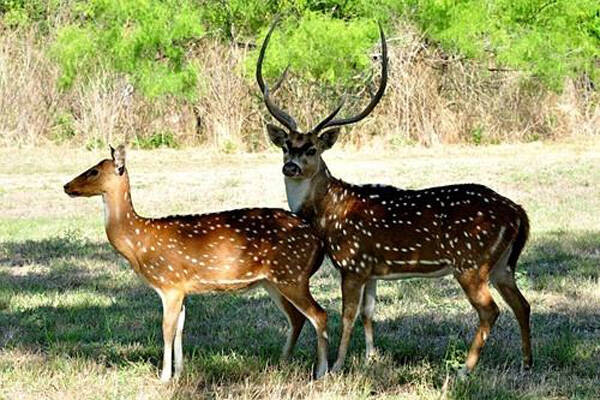
    The scientific name of the spotted deer, Cervus axis or Axis axis, is active all day long and feeds on tender shoots. Its natural enemies include wolves, Bengal tigers, and Asiatic lions. It will sound alarm calls when frightened. The spotted deer like to live in groups, usually consisting of adult females and their offspring, and each group can usually have more than 100 individuals. It can breed all year round. Aesthetically speaking, the spotted deer may be the most elegant and beautiful of all wild jungle ungulates.
    0c622e54b2bc5053c61ab015b7082931_九雷图片转化为.jpeg

    Endangered status: Least Concern (LC).


    Protect wild animals and stop eating game.

    Maintaining ecological balance is everyone's responsibility!
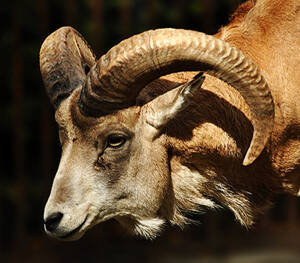


    At a glance

    Profile Details

    Key characteristics, appearance, and habitat information.

    Traits & Behavior

    It looks similar to a sika deer, but also has some white spots.

    Appearance

    The life span of a spotted deer is about 20 to 30 years. It is about 0.89 meters tall and weighs about 85 kilograms. Its back is light reddish brown and it looks similar to a sika deer, with some white spots and a white belly. The male spotted deer has a three-pronged horn that can be up to 1 meter long.

    Distribution & Habitat

    It inhabits grasslands and forests in India and Sri Lanka.
    Advertisement

    Visual guide

    Browse available images of this species.

    Quick answers

    Cervus axis FAQs