 LC
LC
Rusa Deer
Rusa timorensis
The rusa deer (often called the Javan rusa or Timor deer) is a medium‑large deer from island Southeast Asia. It is notable for it···
Explore mammals from tiny bats and rodents to primates, carnivores, ungulates, whales, and elephants. Each profile connects core facts with habitat, lifespan, traits, and conservation information.

Use these shortcuts to move into more specific animal groups.
In traditional classification, "Ungulata" is a general term used to refer to mammals with hooves, including Perissodactyla and Artiodactyla. However, with the progress of molecular phylogenetic research, the traditional "ungulates" or "Ungulata" is not a strict monophyletic concept. In modern classification, whales (Cetacea) are included in even-toed ungulates and merged with even-toed ungulates (Artiodactyla) into "Cetartiodactyla". Therefore, when discussing ungulates today, they are usually broken down into two independent major living groups:
Perissodactyla: including horses, rhinos, tapirs, etc., with an odd number of toes (the middle toe bears weight).
Cetartiodactyla: integrates traditional even-toed ungulates (such as pigs, cattle, deer, camels) and cetaceans (whales, dolphins, porpoises) into a natural monophyletic group. Even-toed ungulates are characterized by an even number of toes on each foot (usually 2 or 4), while the evolution of whales shows that they are closely related to hippos.
Historically, "Ungulates" also included some extinct primitive groups (such as Callostomidae and "Obtsodontia" in a broad sense), but here we mainly focus on the two major living groups: Perissodactyla and Cetiformes.
I. Introduction to Hoofed Mammals
1. Traditional vs. Modern Classification:
Traditionally, “Ungulata” was used as a broad term to include all hoofed mammals. This encompassed horses, rhinos, tapirs (odd-toed) as well as pigs, camels, deer, cattle, and others (even-toed). However, with advances in molecular phylogenetics, it became clear that whales (Cetacea) share a close evolutionary relationship with hippopotamuses (Hippopotamidae), which are even-toed ungulates. As a result, whales have been placed within the same clade as even-toed ungulates, creating the order Cetartiodactyla. This modern grouping better reflects their evolutionary origins.
2. The Two Main Orders of “Ungulates”:
Perissodactyla (Odd-toed Ungulates): Horses, rhinos, and tapirs—characterized by having an odd number of toes (usually one or three) and bearing weight mainly on the middle toe.
Cetartiodactyla (Even-toed Ungulates + Whales): This group combines traditional Artiodactyla (even-toed ungulates like pigs, camels, deer, bovids) with Cetacea (whales, dolphins, porpoises). Even-toed ungulates typically have two or four toes, and whales are highly specialized aquatic descendants of ancient terrestrial ungulate ancestors.
II. Evolutionary History
In the Paleogene and Neogene periods (roughly 20–50 million years ago), hoofed mammals underwent extensive adaptive radiations, spreading across the globe.
Perissodactyls once included a much greater diversity, but only three families survive today. They dominated certain habitats in the past but declined due to changing climates and the rise of grasslands.
Artiodactyls diversified more extensively, giving rise to a broad range of large herbivores on land. Within the even-toed lineage, one group returned to the water, evolving into modern whales and dolphins. Molecular data confirm that whales are nested within the even-toed ungulates, closely related to hippos, leading to the modern concept of Cetartiodactyla.
III. Classification Tables
A. Perissodactyla (Odd-Toed Ungulates)
| Family | Example Genera/Species | Notes |
|---|---|---|
| Equidae (Horses, Zebras, Donkeys) | Equus (horses, zebras, donkeys) | Weight-bearing on a single central toe; adapted for running in open habitats. |
| Rhinocerotidae (Rhinoceroses) | Rhinoceros (Indian rhino), Ceratotherium (white rhino) | Thick-skinned herbivores with one or two horns, found in Africa and Asia. |
| Tapiridae (Tapirs) | Tapirus (tapirs of Central/South America, Southeast Asia) | Short, flexible proboscis; forest dwellers that feed on leaves and fruits. |
B. Cetartiodactyla (Even-Toed Ungulates + Whales)
Even-Toed Ungulates (Artiodactyla)
| Family | Example Genera/Species | Notes |
|---|---|---|
| Suidae (Pigs) | Sus (wild boar, domestic pig), Phacochoerus (warthog) | Omnivorous, often with prominent canines; Old World distribution. |
| Hippopotamidae (Hippos) | Hippopotamus amphibius | Semi-aquatic, closely related to whales at the molecular level; African. |
| Camelidae (Camels, Llamas) | Camelus (camels), Lama (llamas), Vicugna (vicuñas) | Adapted to arid and high-altitude environments in Africa, Asia, and South America. |
| Cervidae (Deer) | Cervus (red deer), Rangifer (reindeer), Muntiacus (muntjacs) | Males typically bear antlers (bone structures shed annually); widespread across Eurasia and the Americas. |
| Giraffidae (Giraffe, Okapi) | Giraffa (giraffe), Okapia (okapi) | African endemics, the giraffe is adapted to browsing high foliage. |
| Bovidae (Cattle, Sheep, Goats, Antelopes) | Bos (cattle), Ovis (sheep), Capra (goats), various antelopes | Extremely successful and diverse herbivores in Africa, Eurasia, and North America. |
Whales (Cetacea, included in Cetartiodactyla)
| Family | Example Genera/Species | Notes |
|---|---|---|
| Balaenopteridae (Rorqual Whales) | Balaenoptera (blue whale), Megaptera (humpback whale) | Baleen whales filter-feeding on krill and small fish. |
| Balaenidae (Right Whales) | Eubalaena (right whales) | Slow-moving baleen whales that feed on zooplankton. |
| Physeteridae (Sperm Whales) | Physeter (sperm whale) | Deep-diving predators of squid; have a large, oil-filled head. |
| Delphinidae (Dolphins, Orcas) | Tursiops (bottlenose dolphin), Orcinus (killer whale) | Tooth-bearing whales, highly social and widespread. |
| Phocoenidae (Porpoises) | Phocoena (harbor porpoise) | Small toothed whales with shorter beaks, found in coastal waters. |
(There are many other whale families; the above are representative examples.)
IV. Summary
The concept of “hoofed mammals” as a single order is outdated. Modern evolutionary and molecular studies have clarified their relationships, placing whales within the lineage of even-toed ungulates. Thus, today we speak of:
Perissodactyla (Odd-Toed Ungulates): Horses, rhinos, tapirs.
Cetartiodactyla (Even-Toed Ungulates + Cetaceans): Pigs, hippos, camels, deer, cattle, antelopes, and whales/dolphins.
This modern classification highlights the incredible evolutionary journey of some terrestrial herbivores that eventually took to the oceans and became fully aquatic cetaceans. By understanding these relationships, users can appreciate how modern taxonomy accurately reflects the deep evolutionary history and adaptation of hoofed mammals.
Search the animals shown on this page or narrow them by IUCN conservation code.
LC
Rusa timorensis
The rusa deer (often called the Javan rusa or Timor deer) is a medium‑large deer from island Southeast Asia. It is notable for it···
 EN
EN
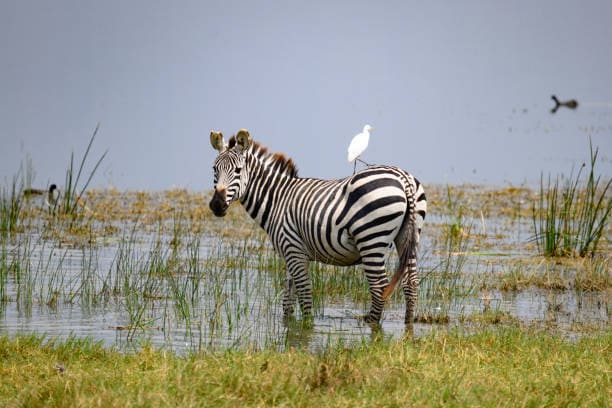
Equus grevyi
Grévy’s zebra (Equus grevyi) is the largest living wild equid, recognizable by itsvery narrow stripes, white belly and large rou···
 VU
VU
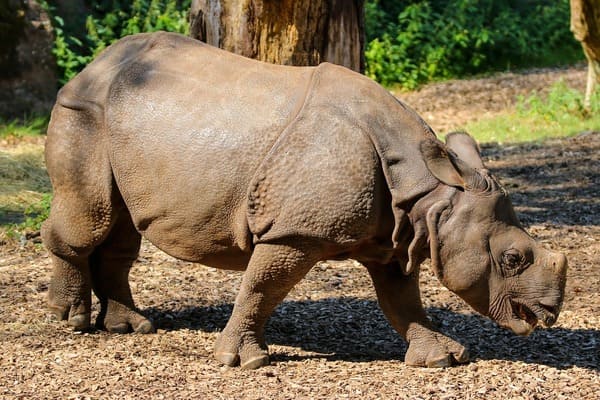
Rhinoceros unicornis
Indian rhinoceros (greater one‑horned rhino, Rhinoceros unicornis) ranges across floodplains ofIndia and Nepal. After a dramatic ···
 CR
CR
Rhinoceros sondaicus
Javan rhinoceros (Rhinoceros sondaicus) is among the rarest large mammals on Earth.Once widespread across Southeast Asia, it now s···
 EN
EN
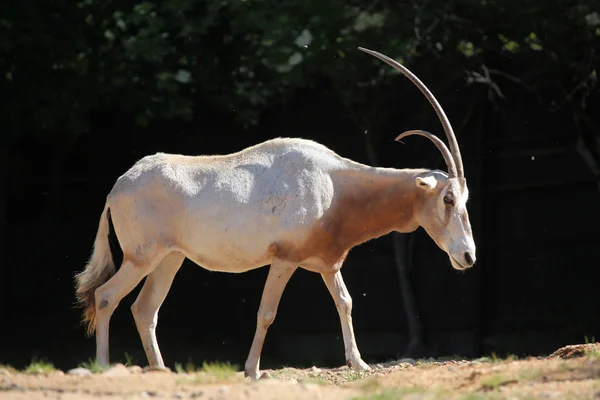
Oryx dammah
Scimitar-horned oryx (Oryx dammah) is a Sahel–Sahara antelope once widespread across North Africa.Heavy hunting and habitat loss ···
 CR
CR
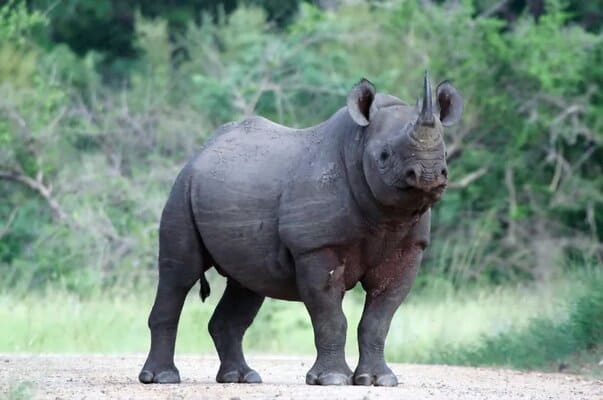
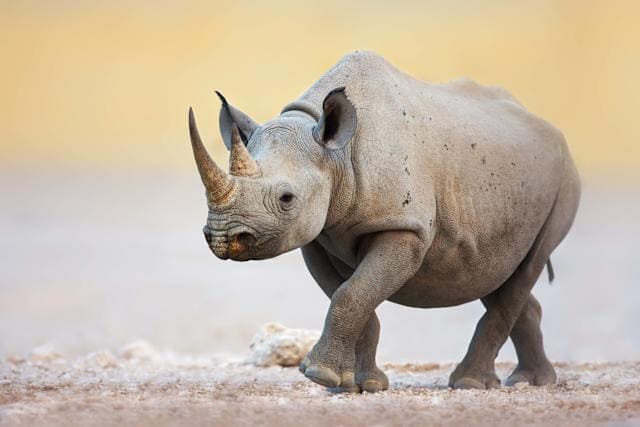
Diceros bicornis
The black rhinoceros (Diceros bicornis), scientifically known as the black rhinoceros, is classified as Critically Endangered (CR)···
 EN
EN
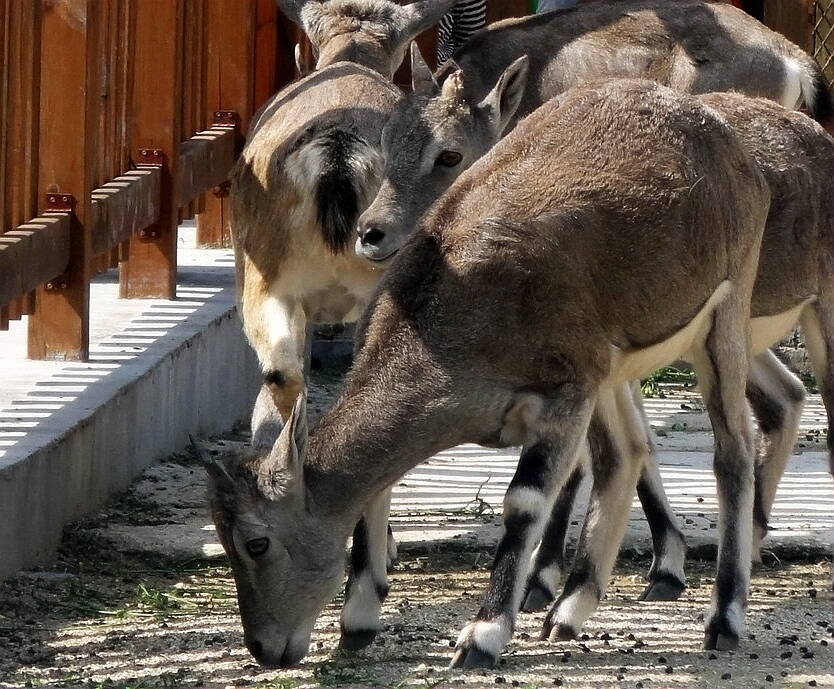
Dwarf blue sheep
The blue sheep inhabits steep rocky slopes at an altitude of 2,700 to 3,200 meters, occasionally entering coniferous forests and f···
 VU
VU
Tapir is the name of the genus Tapir (scientific name: Tapirus), a genus of the family Tapiridae in the order Perissodactyla. It i···
 LC
LC
Equus ferus × asinus,Horse mule, donkey mule,Equus mulus Erxleben
Mule (scientific name: Equus ferus × asinus, foreign name: Mule) is the offspring of a donkey and a horse, also known as a horse ···
 LC
LC
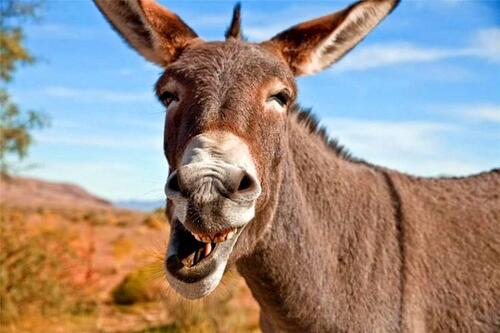
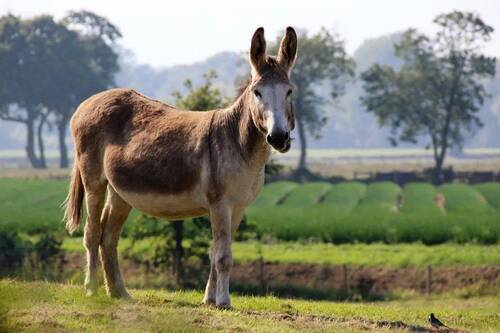
donkey,Equus asinus,
Donkey (scientific name: Equus africanus asinus, Equus asinus foreign name: donkey) alias: donkey, donkey, is a common domestic an···
 LC
LC
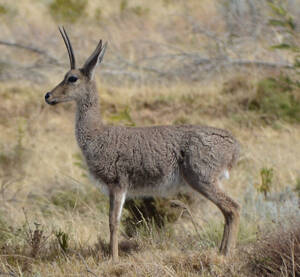
Gray shorthorn, Common shorthorn
Shorthorn (scientific name: Pelea capreolus) Grey Rhebok, Common Rhebok, Rhebok, Vaal Rhebok, no subspecies.Shorthorn is active du···
 LC
LC
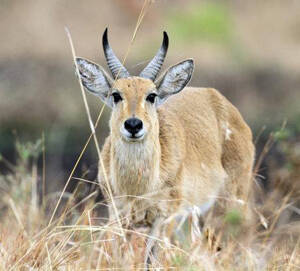
Common reedbuck, Senegal reedbuck
Reedbuck (scientific name: Redunca redunca) is called Bohor Reedbuck, Common Reedbuck, Cobe de Roseaux in French and Cobe de Rosea···
 LC
LC
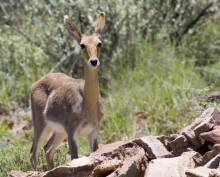
Redunca fulvorufula
Mountain Reedbuck (scientific name: Redunca fulvorufula) is called Mountain Reedbuck in English, Redunca de montagne in French, Ro···
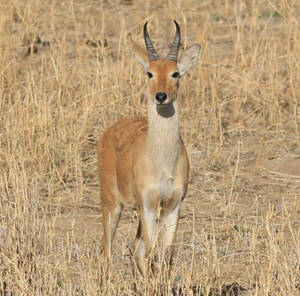 LC
LC
Southern Reedbuck (scientific name: Redunca arundinum) English Southern Reedbuck, French Redunca grande, Afrikaans Rietbok, German···
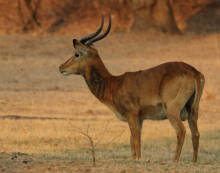 LC
LC
Puku Waterbuck, Wadsworth's Koel
Kobus vardonii (scientific name: Puku) has two subspecies.Territory is established by male Kobus vardonii. Territory size depends ···
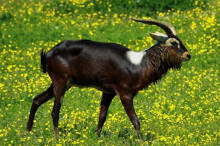 LC
LC
Nile waterbuck, Nile lechwe, Nile short-nosed lechwe, Nile lechwe, Nile blackbuck, Bighorn lechwe
Nile Waterbuck (scientific name: Kobus megaceros) is also known as Nile Lechwe in English. There is no subspecies.Nile Waterbuck i···
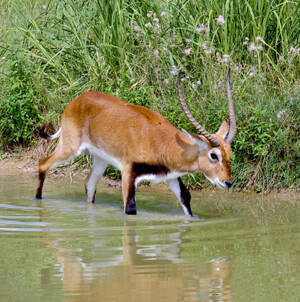 LC
LC
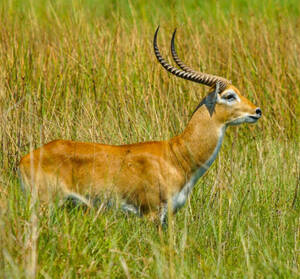
Kobus leche
Lechwe (scientific name: Kobus leche) is called Southern Lechwe in English, Cobe Lechwe, Lechwe in French, Cobo de Lechwe in Spani···
 LC
LC
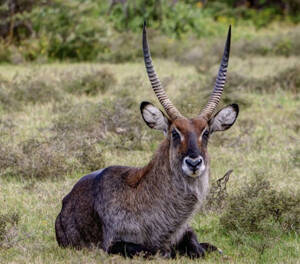
Kobus kob
Kobus kob (Kob in English, Grasantilope in German, Cobe de Buffon in French) has 8 subspecies.Kobus kob may migrate long distances···
 LC
LC
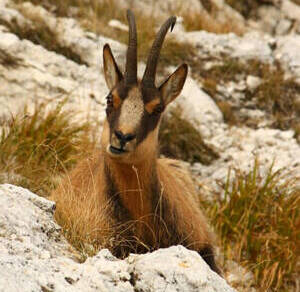
Kobus ellipsiprymnus
Waterbuck (scientific name: Kobus ellipsiprymnus) is called Waterbuck in English, Cobe onctueux in French, Afrikaans in Afrikaans,···
 LC
LC
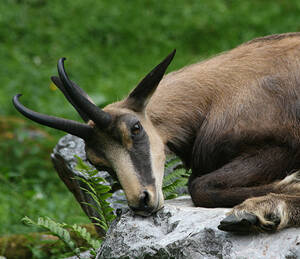
Rupicapra pyrenaica
Pyrenean Chamois (scientific name: Rupicapra pyrenaica) English Southern Chamois, French Isard, Spanish Rebeco meridional, Italian···
 LC
LC
Rupicapra rupicapra
Rupicapra rupicapra (scientific name: Rupicapra rupicapra) English Northern Chamois, Alpine Chamois, Anatolian Chamois, Asia Minor···
 LC
LC
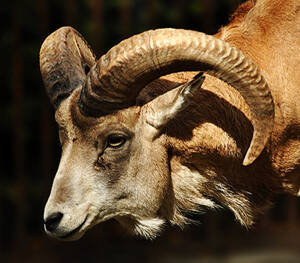
Ovis vignei
Ovis vignei (scientific name: Ovis vignei) is also known as Urial in English. There are 5 subspecies.Ovis vignei is a gregarious s···
 LC
LC
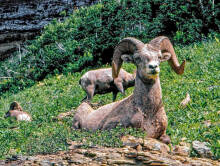
Ovis nivicola
Snow Mountain Sheep (scientific name: Ovis nivicola) English Snow Sheep, Russia Chubuk, Snezhnyi Baran, there are 4 subspecies.Sno···
 LC
LC
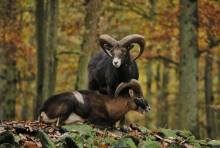
Mouflon
Ovis gmelini, English Mouflon, Asiatic Mouflon, French Mouflón, Spanish Muflón, Russian Муфлон, has 3-5 native wild subspe···