Skip to content
Animals Top
Home>Animals>Mammal>Ungulata
Animal Profile IUCN: LC

Muntiacus vaginalis

Muntiacus vaginalis,Barking Deer、Indian Muntjac、Indian Red Muntjac、Northern Red Muntjac,Northern Red Muntjac

The scientific name of Indian Red Muntjac is Muntiacus vaginalis. Its foreign names include Barking Deer, Indian Muntjac, Indian Red Muntjac, and Northern Red Muntjac. Similar to the Yellow Muntjac, it will bark when in danger, so it is also called the Barking Deer. Except for the mating season, it

Ungulata 613 views
Scientific Name Muntiacus vaginalis,Barking Deer、Indian Muntjac、Indian Red Muntjac、Northern Red Muntjac,Northern Red Muntjac
Length About 100 cm
Weight 20-30kg
Lifespan No verification information
IUCN Status LC
Advertisement

Table of Contents

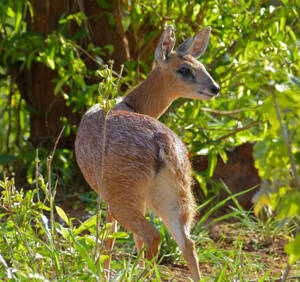
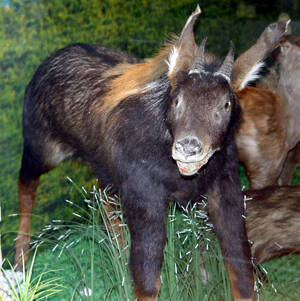
    The scientific name of Indian Red Muntjac is Muntiacus vaginalis. Its foreign names include Barking Deer, Indian Muntjac, Indian Red Muntjac, and Northern Red Muntjac. Similar to the Yellow Muntjac, it will bark when in danger, so it is also called the Barking Deer. Except for the mating season, it generally lives alone, but a few live in groups, and even feed on grass with other large animals. It usually appears day and night, and is most active at dusk and in foggy times.
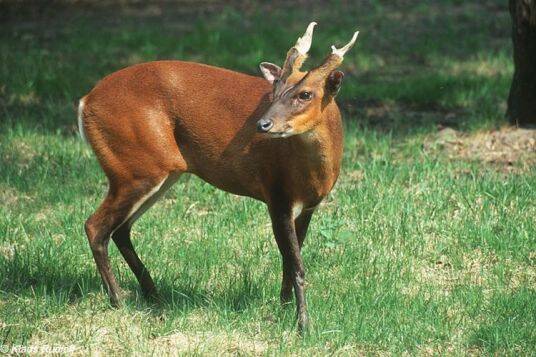
    8694a4c27d1ed21bb0d10e7fad6eddc451da3f0b_九雷图片转化为.jpg

    Listed in the 2008 Red List of Endangered Species of the World Conservation Union (IUCN) ver 3.1 - Low Concern (LC).


    Protect wild animals and stop eating game.

    Maintaining ecological balance is everyone's responsibility!


    At a glance

    Profile Details

    Key characteristics, appearance, and habitat information.

    Traits & Behavior

    Appearance

    The head is relatively narrow and long, the frontal glands are long and finally cross together to form a V shape, the limbs are slender, the male has horns, and the female has no horns.

    Distribution & Habitat

    The head is relatively narrow and long, the frontal glands are long and finally cross together to form a V shape, the limbs are slender, the male has horns, and the female has no horns.
    Advertisement

    Visual guide

    Browse available images of this species.

    Quick answers

    Muntiacus vaginalis FAQs