Skip to content
Animals Top
Home>Animals>Birds>Waterfowl
Animal Profile IUCN: LC

Chauna torquata

Chauna torquata,Southern Screamer

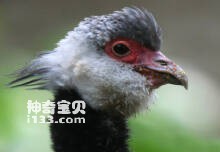
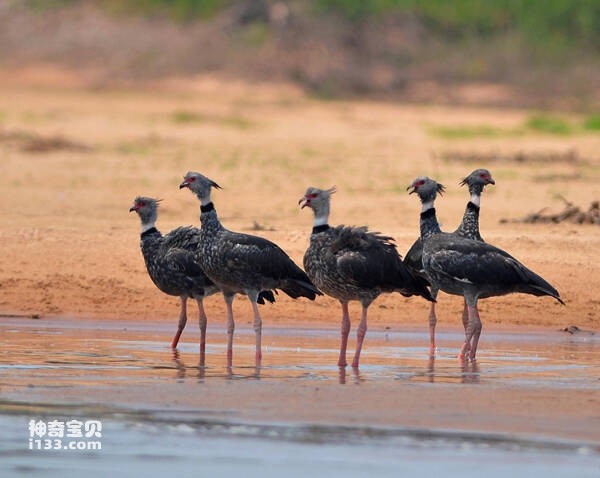
The crested duck (Latin: Chauna torquata, English: Southern Screamer) has special webbing on its feet, so it is good at swimming, but it prefers to walk on land. The spikes on its wings are used to protect it from other species and predators. Crested ducks are good flyers, but they're not migrat

Waterfowl 510 views
Scientific Name Chauna torquata,Southern Screamer
Length 85-91cm
Weight 3-5kg
Lifespan No textual research information is available
IUCN Status LC
Advertisement

Table of Contents

    The crested duck (Latin: Chauna torquata, English: Southern Screamer) has special webbing on its feet, so it is good at swimming, but it prefers to walk on land. The spikes on its wings are used to protect it from other species and predators. Crested ducks are good flyers, but they're not migratory birds. They live in groups and forage in fields and meadows.
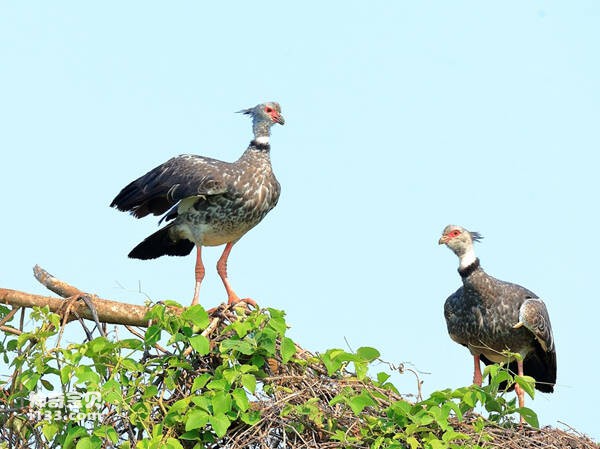
    3 df783c6e51550f1264cdd4a76956caa_ nine ray image converter. JPG

    Crested ducks adhere to the principle of monogamy in mating, and both sexes make loud calls to attract each other during courtship, which can be heard far away. They usually build their nests on reeds, wheat stalks and other aquatic plants along the waterfront. Two to seven eggs are laid in each brood, with both sexes incubating the eggs in a process that takes about 43 to 46 days. The chicks are able to walk after birth, but crested ducks will still care for their young for a few weeks until their feathers are full.
    e4221db0f4382e734ee76ce18212e27a_ nine ray image converter. JPG


    Protect wild animals and eliminate wild meat.

    Maintaining ecological balance is everyone's responsibility!


    Tags

    At a glance

    Profile Details

    Key characteristics, appearance, and habitat information.

    Traits & Behavior

    Appearance

    The average body length is 85-91 cm and the weight is between 3-5 kg.

    Distribution & Habitat

    It is mainly distributed in southeastern Peru, northern Bolivia, Paraguay, southern Brazil, Uruguay and northern Argentina.
    It is found mainly in tropical and subtropical swamps, bays and watersides.
    Advertisement

    Visual guide

    Browse available images of this species.

    Quick answers

    Chauna torquata FAQs