Skip to content
Animals Top
Home>Animals>Birds>Waterfowl
Animal Profile IUCN: LC

Pelecanoides urinatrix

Pelecanoides urinatrix,Common Diving Petrel

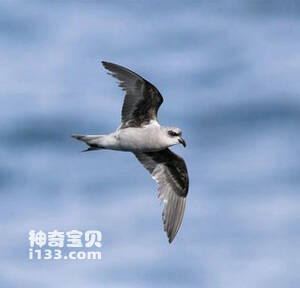
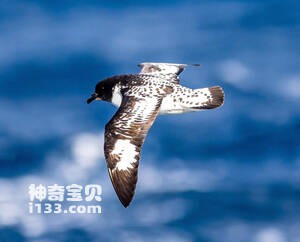
Common Diving Petrel (Pelecanoides urinatrix) is a small diving petrel.During the breeding period of Pelican swallows, they often foraged on the continental shelf. Behavior during the non-breeding period is not known. Like other birds in the Pelican family, they flap their wings as thrust for diving

Waterfowl 793 views
Scientific Name Pelecanoides urinatrix,Common Diving Petrel
Length 20-25CM
Weight 86-186g
Lifespan No textual research information is available
IUCN Status LC
Advertisement

Table of Contents

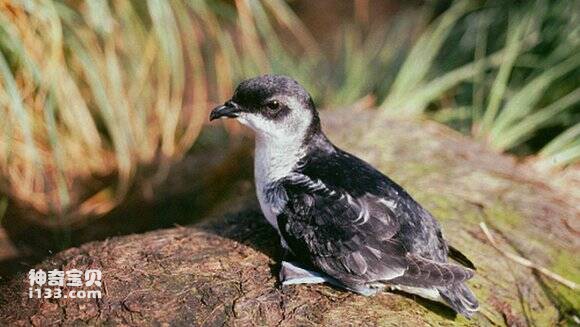
    Common Diving Petrel (Pelecanoides urinatrix) is a small diving petrel.
    db9fc465034f78f0b96ea03272310a55b2191c78_ nine ray image converter. JPG

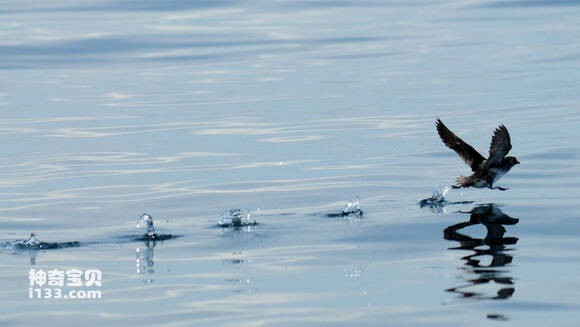
    During the breeding period of Pelican swallows, they often foraged on the continental shelf. Behavior during the non-breeding period is not known. Like other birds in the Pelican family, they flap their wings as thrust for diving and can dive to depths of up to 60 meters. Pelican swallows feed mainly on crustacean zooplankton.
    97372 ca88226cffc46548573b2014a90f703ea6c_ nine ray image converter. jpg


    Protect wild animals and eliminate wild meat.

    Maintaining ecological balance is everyone's responsibility!


    Tags

    At a glance

    Profile Details

    Key characteristics, appearance, and habitat information.

    Traits & Behavior

    Appearance

    Pelican swallow is 20-25 cm long and weighs 86-186 grams. The back of the body is black, the belly is white, and the beak is black. The wings have very thin white stripes. The face and neck are more brown. Legs black.

    Distribution & Habitat

    It is found in central and southern Africa (including the southern Arabian Peninsula and the entire African continent south of the Sahara Desert (Tropic of Cancer).)
    Pelican swallows live on islands between 35° and 55° south latitude. Although the population of pelican swallows has declined in recent years, the overall number is still too large to worry about. They usually build their nests on slopes, but sometimes on flat ground.
    Advertisement

    Visual guide

    Browse available images of this species.

    Quick answers

    Pelecanoides urinatrix FAQs