Skip to content
Animals Top
Home>Animals>Birds>Waterfowl
Animal Profile IUCN: LC

Pterodroma magentae

Pterodroma magentae,Magenta Petrel,Chatham Island Taiko

Pterodroma magentae, Magenta Petrel, Chatham Island Taiko, is unknown.The red Shearwater drifts out to sea during the off-breeding season, feeding on squid, small fish, and mollusks. Return to shore only during breeding season. Each clutch lays 1(rare 2) eggs, which are laid on the ground or in grou

Waterfowl 651 views
Scientific Name Pterodroma magentae,Magenta Petrel,Chatham Island Taiko
Length No textual research information is available
Weight No textual research information is available
Lifespan No textual research information is available
IUCN Status LC
Advertisement

Table of Contents

    Pterodroma magentae, Magenta Petrel, Chatham Island Taiko, is unknown.
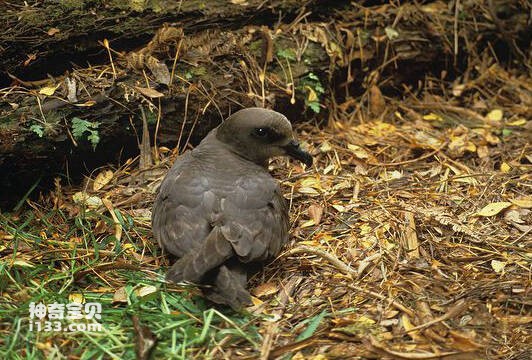
    21 a4462309f79052ce0d910008f3d7ca7bcbd5fa_ nine ray image converter. jpg

    The red Shearwater drifts out to sea during the off-breeding season, feeding on squid, small fish, and mollusks. Return to shore only during breeding season. Each clutch lays 1(rare 2) eggs, which are laid on the ground or in ground depressions and cracks. Both parents care for the chicks and leave about a week before they become feathers, and the chicks rely on stored fat to complete their development

    Listed in the International Union for Conservation of Nature (IUCN) ver 3.1:2009 Red List of birds - Critically Endangered (CR).


    Protect wild animals and eliminate wild meat.

    Maintaining ecological balance is everyone's responsibility!


    Tags

    At a glance

    Profile Details

    Key characteristics, appearance, and habitat information.

    Traits & Behavior

    Appearance

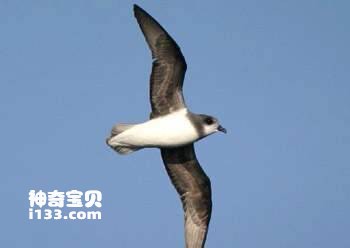
    The main features are rich feathers, dark upper body color, light lower body color, long wings, short tail wedge, webbed feet, curved hook mouth.

    Distribution & Habitat

    Distributed in New Zealand.
    Advertisement

    Visual guide

    Browse available images of this species.

    Quick answers

    Pterodroma magentae FAQs