Skip to content
Animals Top
Home>Animals>Birds>Waterfowl
Animal Profile IUCN: LC

Hydrobates pelaus

Hydrobates pelaus,European Storm-petrel

The Wilson's Storm Petrels (Hydrobates pelaus) are a genus of birds belonging to the family Hydrobates.Wilson's Storm petrels are the smallest of Antarctic birds. They nest in crevices along the coast of Antarctica. They weigh only 36 grams and lay eggs no bigger than broad beans. The Wilson

Waterfowl 661 views
Scientific Name Hydrobates pelaus,European Storm-petrel
Length No textual research information is available
Weight 36g
Lifespan No textual research information is available
IUCN Status LC
Advertisement

Table of Contents

    The Wilson's Storm Petrels (Hydrobates pelaus) are a genus of birds belonging to the family Hydrobates.
    7589 ddfa43166d2297dde84a4c2309f79152d23e_ nine ray image converter. jpg

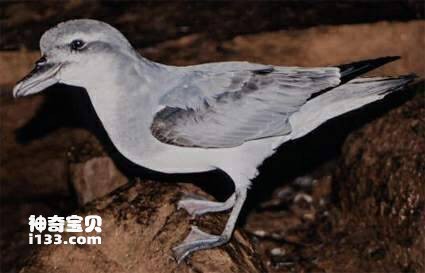
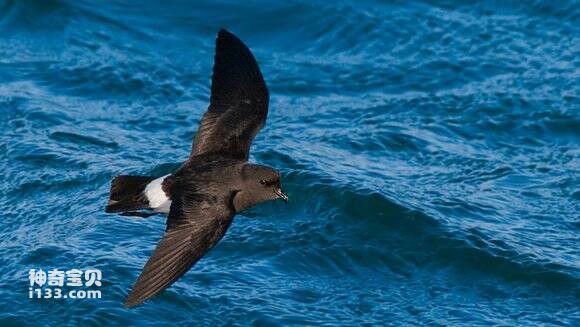
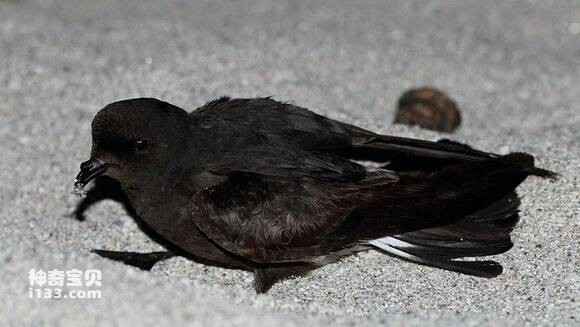
    Wilson's Storm petrels are the smallest of Antarctic birds. They nest in crevices along the coast of Antarctica. They weigh only 36 grams and lay eggs no bigger than broad beans. The Wilson Storm Petrel flies extremely fast, withstands the wind very well, and can fly in powerful storms, hence its name.
    f131c24ad11373f00c839241ae0f4bfbfaed0427_ nine ray image converter. jpg

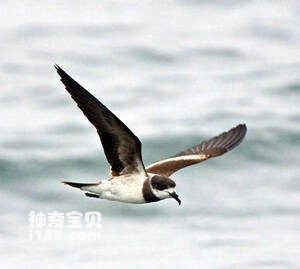
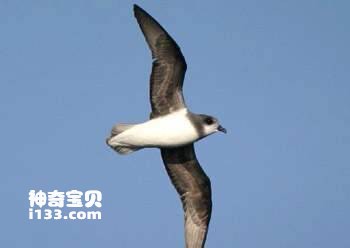
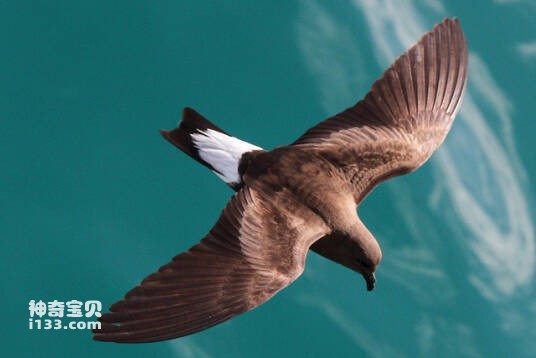
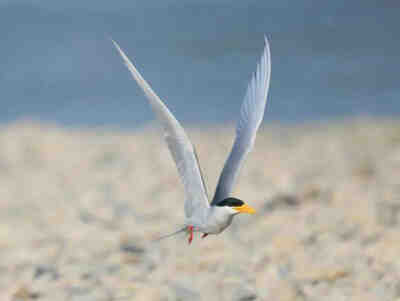
    The Wilson storm petrels often soar above the sea, their outstretched wings allowing them to rise almost vertically; The tail is spread out like a fan when controlling the direction of flight, and two legs help to balance; Feeds on whale oil and small sea animals.


    Protect wild animals and eliminate wild meat.

    Maintaining ecological balance is everyone's responsibility!


    Tags

    At a glance

    Profile Details

    Key characteristics, appearance, and habitat information.

    Traits & Behavior

    It is the smallest individual bird living in Antarctica

    Appearance

    The upper part is black, the tail is white, and the legs are long

    Distribution & Habitat

    It is found only in the Antarctic region.
    Advertisement

    Visual guide

    Browse available images of this species.

    Quick answers

    Hydrobates pelaus FAQs