Cicada slough refers to the outer skin that sheds during the growth and development process of cicada insects. If you want to breed cicada sloughs, here are some basic breeding methods:
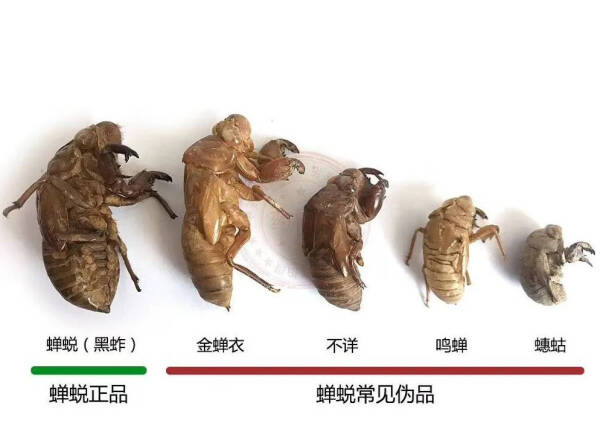
1. Collect cicada sloughs: You can look for cicada sloughs outdoors or in forested areas. Typically, during the summer or fall, cicadas will molt and leave behind their discarded outer skin. Be careful to collect cicada sloughs that are complete and undamaged.
2. Prepare container: Prepare a transparent container, which can be glass or plastic. Make sure the container is dry and can be closed to prevent pest intrusion.
3. Clean and disinfect: Make sure the container is clean before placing the cicada sloughs in. You can clean the container with mild soapy water and disinfect it with a disinfectant such as alcohol or bleach, then rinse thoroughly and let dry.
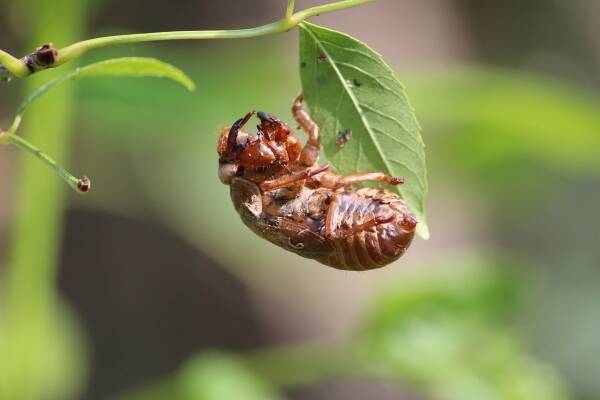
4. Place the cicada sloughs: Place the cicada sloughs into the container and make sure they don't stick to each other. You can use soft pliers or small clamps to gently place the cicada sloughs into the container, making sure they are arranged neatly.
5. Maintain the environment: Cicada sloughs require suitable environmental conditions to be preserved and displayed. Here are some points to note:
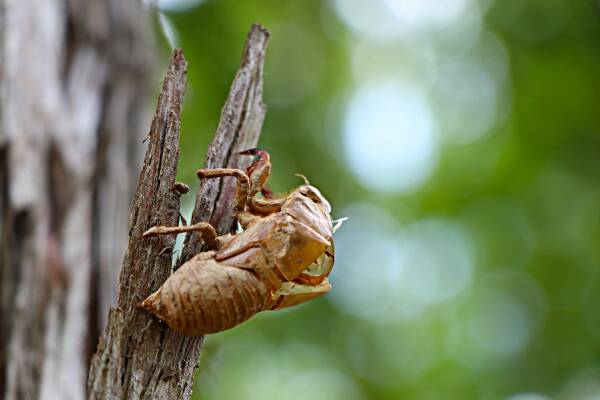
- Temperature: The storage temperature of cicada sloughs should be between 20°C and 25°C.
- Humidity: Maintain moderate humidity, but do not let the cicada slough be too humid to prevent mold and rot.
- Lighting: Avoid direct sunlight to prevent cicadas from discoloration or damage. Indirect natural light is suitable.
- Safety: Make sure the container is tightly sealed to prevent intrusion by pests such as borers or ants.
6. Observation and maintenance: Regularly observe the status of the cicada slough and look for signs of pests or mold. If you notice a problem, take immediate steps to remove the pests or treat the moldy area.
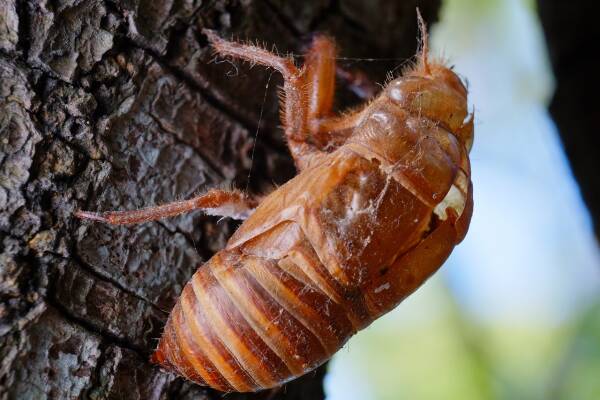
Please note that the cicada slough culture method is for reference only, as the preservation and display of cicada sloughs may vary depending on species and individual differences. If you wish to raise cicada sloughs for scientific research or display purposes, it is best to consult a professional entomologist or breeding expert for more specific and accurate guidance.