Skip to content
Animals Top
Home>Animals>Birds>Climbing birds
Animal Profile IUCN: LC

Apus sladeniae

Apus sladeniae,Fernando Po Swift,Martinet de Fernando Po

Apus sladeniae, also known as Fernando Po Swift or Martinet de Fernando Po, was once a subspecies of the African black Swift. The population size of this species has not been quantified; We only know from 10 records. Reason for trend: Population trends are unknown because the species is only known f

Climbing birds 417 views
Scientific Name Apus sladeniae,Fernando Po Swift,Martinet de Fernando Po
Length 16-18CM
Weight No textual research information is available
Lifespan No textual research information is available
IUCN Status LC
Advertisement

Table of Contents

    Apus sladeniae, also known as Fernando Po Swift or Martinet de Fernando Po, was once a subspecies of the African black Swift. The population size of this species has not been quantified; We only know from 10 records. Reason for trend: Population trends are unknown because the species is only known from very few records and little is known about its ecology.
    b03533fa828ba61ea8d36e294462800a304e251ff325_ nine ray image converter.jpg

    Listed on the IUCN Red List of Threatened Species (IUCN)2016 ver3.1 - Data deficient (DD).


    Protect wild animals and eliminate wild meat.

    Maintaining ecological balance is everyone's responsibility!


    Tags

    At a glance

    Profile Details

    Key characteristics, appearance, and habitat information.

    Traits & Behavior

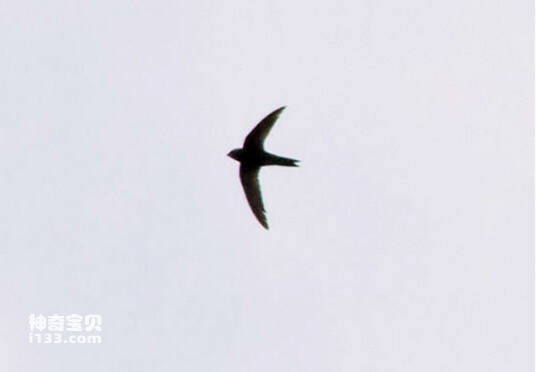
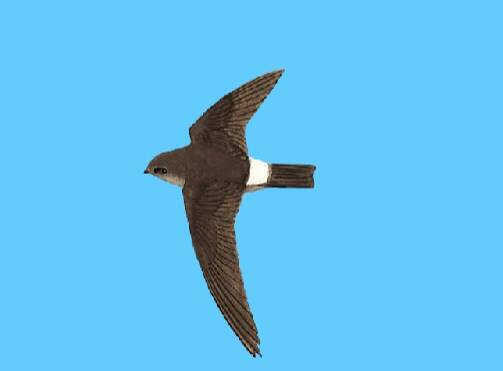
    It has a short forked tail and very long swept wings, similar to a crescent or boomerang

    Appearance

    The body length is 16-18 cm, the body size is huge, like the pale swift; The body feathers appear entirely dark brown, except for a small white or light gray spot on the chin that is not visible from a distance. They have a short forked tail and very long swept wings, similar to crescents or boomerangs. The species is very similar to the common louver, but can be distinguished under optimal viewing conditions by the contrast between its black back and lighter secondary wing feathers. Their heavier bodies also give them unique flight maneuvers, which include steady horizontal flight and short gliding distances.

    Distribution & Habitat

    Breeding place: Cameroon;
    Uncertainties exist: Angola and Equatorial Guinea;
    Wandering: Nigeria.
    Advertisement

    Visual guide

    Browse available images of this species.

    Quick answers

    Apus sladeniae FAQs