Skip to content
Animals Top
Home>Animals>Birds>Climbing birds
Animal Profile IUCN: LC

Hemiprocne comata

Hemiprocne comata,Whiskered Treeswift

The Whiskered Treeswift (Hemiprocne comata), because of its large body and long wings, is like a small aircraft in the air, sometimes flying low and sometimes rising into the air.Instead of continuously flying through the air to feed, the smallowl Swift often rests on the top branches of the tree ca

Climbing birds 448 views
Scientific Name Hemiprocne comata,Whiskered Treeswift
Length 21-25CM
Weight No textual research information is available
Lifespan No textual research information is available
IUCN Status LC
Advertisement

Table of Contents

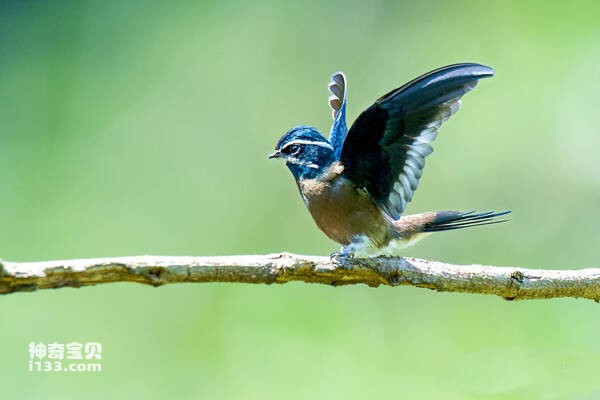
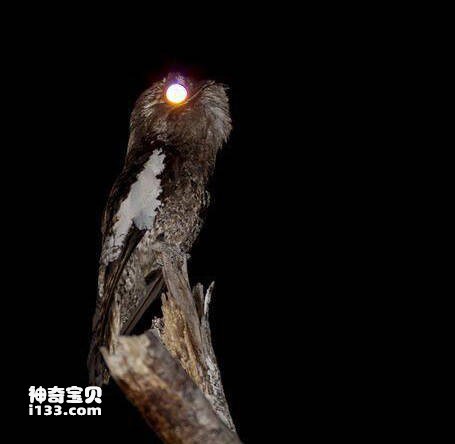
    The Whiskered Treeswift (Hemiprocne comata), because of its large body and long wings, is like a small aircraft in the air, sometimes flying low and sometimes rising into the air.
    639503047 a94993f5b0e3d0acdb07a49_ nine ray image converter. jpg

    Instead of continuously flying through the air to feed, the smallowl Swift often rests on the top branches of the tree canopy, and takes off to catch insects and other food in the nearby space.


    Protect wild animals and eliminate wild meat.

    Maintaining ecological balance is everyone's responsibility!


    Tags

    At a glance

    Profile Details

    Key characteristics, appearance, and habitat information.

    Traits & Behavior

    It is the most beautiful bird species in the order Swallow

    Appearance

    Head length 21-25cm. It is called the most beautiful bird species in the swallow order, and it is also a dream variety in the minds of countless bird fans and photography fans. Its beautiful white brow lines above and below the eyes, the crown that can be raised high, and the metallic sky blue feathers add endless charm.

    Distribution & Habitat

    It is native to the rainforests of southern Asia and has a narrow distribution area.
    Advertisement

    Visual guide

    Browse available images of this species.

    Quick answers

    Hemiprocne comata FAQs