Skip to content
Animals Top
Home>Animals>Birds>Climbing birds
Animal Profile IUCN: LC

Florisuga mellivora

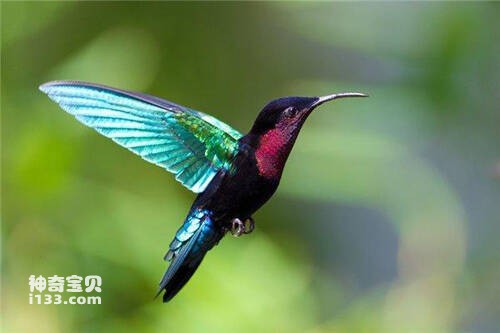
Florisuga mellivora,White-necked Jacobin

The specific habits of the White-necked hummingbird (white-necked Jacobin, Florisuga mellivora) are unknown.White-necked hummingbirds begin to display flamboyant coloration before they reach reproductive age, and this coloration is less prevalent in adult females - while about 20% of adult females s

Climbing birds 397 views
Scientific Name Florisuga mellivora,White-necked Jacobin
Length No textual research information is available
Weight No textual research information is available
Lifespan No textual research information is available
IUCN Status LC
Advertisement

Table of Contents

    The specific habits of the White-necked hummingbird (white-necked Jacobin, Florisuga mellivora) are unknown.

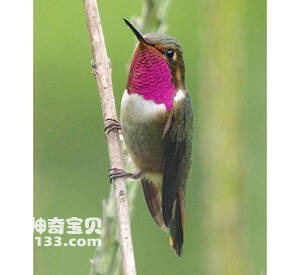
    White-necked hummingbirds begin to display flamboyant coloration before they reach reproductive age, and this coloration is less prevalent in adult females - while about 20% of adult females still retain the same coloration as males, most females shed their flamboyant plumage and become dull as they mature. Male white-necked hummingbirds prefer to court and mate with dulled females, suggesting that bright coloration does not give females any advantage in courtship. For showy, white-necked hummingbird chicks, their coloration may have the same benefits as showy females, helping them avoid harassment and compete for nectar.
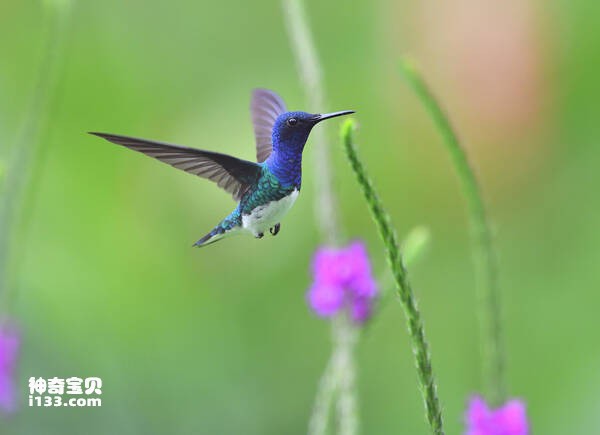
    e29de50be972a53f8335f7f2f891478e_ nine ray image converter. jpg


    Protect wild animals and eliminate wild meat.

    Maintaining ecological balance is everyone's responsibility!


    Tags

    At a glance

    Profile Details

    Key characteristics, appearance, and habitat information.

    Traits & Behavior

    She likes to dress like a man.

    Appearance

    The details are unknown.

    Distribution & Habitat

    The details are unknown.
    Advertisement

    Visual guide

    Browse available images of this species.

    Quick answers

    Florisuga mellivora FAQs