Skip to content
Animals Top
Home>Animals>Birds>Climbing birds
Animal Profile IUCN: LC

Lepidopyga coeruleogularis

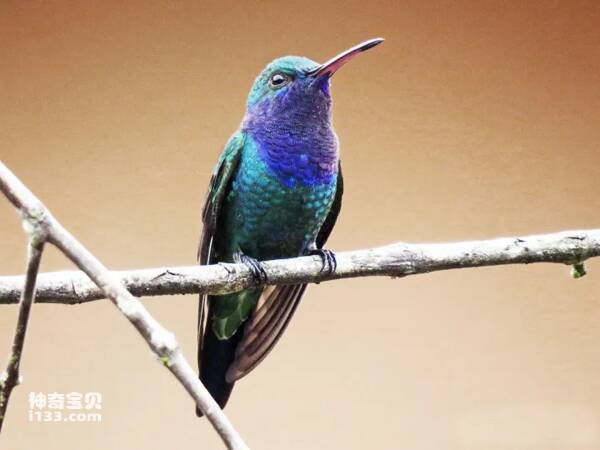
Lepidopyga coeruleogularis,Sapphire-throated Hummingbird

Lepidopyga coeruleogularis, sappil-throated Hummingbird, But the Blue-throated Hummingbird is the sapphire throated Hummingbird. Specific habits are unknown.Protect wild animals and eliminate wild meat.Maintaining ecological balance is everyone's responsibility!

Climbing birds
Scientific Name
Lepidopyga coeruleogularis,Sapphire-throated Hummingbird
Length
No textual research information is available
Weight
No textual research information is available
Lifespan
No textual research information is available
IUCN Status
LC
Advertisement

Table of Contents

    Lepidopyga coeruleogularis, sappil-throated Hummingbird, But the Blue-throated Hummingbird is the sapphire throated Hummingbird. Specific habits are unknown.
    微信图片_20230403214331_九雷图片转换器.jpg


    Protect wild animals and eliminate wild meat.


    Maintaining ecological balance is everyone's responsibility!


    Tags

    At a glance

    Profile Details

    Key characteristics, appearance, and habitat information.

    Traits & Behavior

    Appearance

    The body feathers are phosphorous, green and metallic. The male has a dark blue throat, hence the name blue throated hummingbird.

    Distribution & Habitat

    Central America (located between North and South America, Including Guatemala, Belize, Honduras, El Salvador, Nicaragua, Costa Rica, Panama, Bahamas, Cuba, Haiti, Jamaica, Dominica, Antigua and Barbuda, Saint Vincent and the Grenadines, Saint Lucia, Barbados, Grenada, Trinidad and Tobago, etc.), South America (including Colombia, Venezuela, Guyana, Suriname, Ecuador, Peru, Bolivia, Paraguay, Brazil, Chile, Argentina, Uruguay and the Malvinas Islands (also known as the Falkland Islands))
    It is found in forests and shrubs.

    Quick answers

    Lepidopyga coeruleogularis FAQs

    Follow your curiosity

    Keep Exploring Animals

    Read more about animal biology, compare similar-looking species, or browse the animal encyclopedia.