Skip to content
Animals Top
Home>Animals>Birds>Climbing birds
Animal Profile IUCN: LC

Trogon viridis

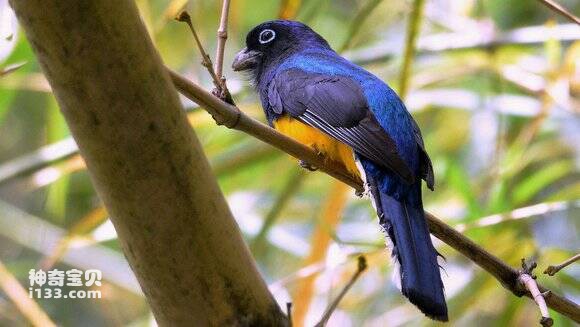
Trogon viridis, White-tailed Trogon

White-tailed Trogon viridis is a white-tailed Trogon species with unknown habits.White-tailed American biters nest in tree cavities, using natural tree cavities, and some species build nests in decaying wood or into ant or termite nests in trees (eating their eggs and not fearing their bites). 2 to

Climbing birds 441 views
Scientific Name Trogon viridis, White-tailed Trogon
Length No textual research information is available
Weight No textual research information is available
Lifespan No textual research information is available
IUCN Status LC
Advertisement

Table of Contents

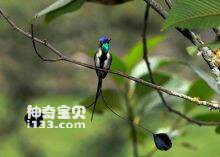
    White-tailed Trogon viridis is a white-tailed Trogon species with unknown habits.
    a07876d9bc3eb135f9f8ce46ac1ea8d3fc1f4487_九雷图片转换器.jpg

    White-tailed American biters nest in tree cavities, using natural tree cavities, and some species build nests in decaying wood or into ant or termite nests in trees (eating their eggs and not fearing their bites). 2 to 5 eggs are laid, oval, very light in color, white, gray, blue-green, or yellow, without spots. Incubation period is 2 to 3 weeks. The chicks develop feathers 2 to 3.5 weeks after they emerge from the shell. Male and female brood together, young late sex.


    Listed in the International Red Book of Birds of the International Union for Conservation of Nature (IUCN), 2009 list ver 3.1 - Low Risk (LC).


    Protect wild animals and eliminate wild meat.


    Maintaining ecological balance is everyone's responsibility!

    Tags

    At a glance

    Profile Details

    Key characteristics, appearance, and habitat information.

    Traits & Behavior

    Appearance

    The details are unknown.

    Distribution & Habitat

    It is found in Bolivia, Brazil, Colombia, Ecuador, French Guiana, Guyana, Peru, Trinidad and Tobago, and Venezuela.
    Advertisement

    Visual guide

    Browse available images of this species.

    Quick answers

    Trogon viridis FAQs