Skip to content
Animals Top
Home>Animals>Birds>Climbing birds
Animal Profile IUCN: LC

Caprimulgus vociferus

Caprimulgus vociferus,whippoorwill

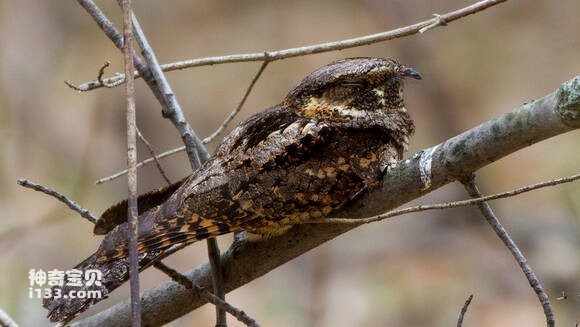
The scientific name Caprimulgus vociferus, the foreign name whippoorwill, due to lack of foot strength, the three-tone nighthawk does not roost in trees. During the day, it either sits on the ground or sprawls on the branches of trees. Sleep in the forest bed during the day or perch along the long a

Climbing birds 431 views
Scientific Name Caprimulgus vociferus,whippoorwill
Length About 25 cm
Weight No textual research information is available
Lifespan No textual research information is available
IUCN Status LC
Advertisement

Table of Contents

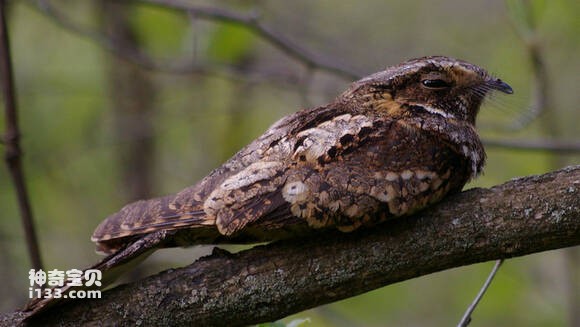
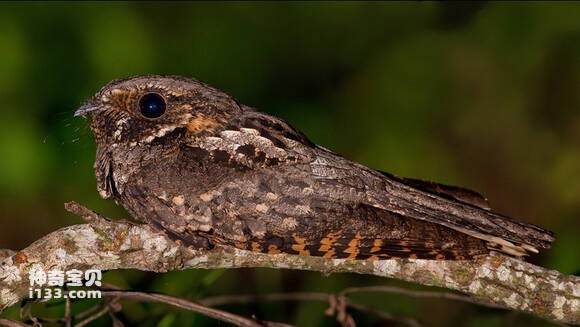
    The scientific name Caprimulgus vociferus, the foreign name whippoorwill, due to lack of foot strength, the three-tone nighthawk does not roost in trees. During the day, it either sits on the ground or sprawls on the branches of trees. Sleep in the forest bed during the day or perch along the long axis of the branches, and hunt insects at dusk and dawn.
    19 a9d9fc5266d01649e1adc19e2bd40737fa35d5_ nine ray image converter. JPG

    9960 a7fdc3cec3fdd2fd949cdf88d43f8594278e_ nine ray image converter. JPG

    2985 ff539822720ead9ed01372cb0a46f31fab7e_ nine ray image converter. JPG

    Protect wild animals and eliminate wild meat.

    Maintaining ecological balance is everyone's responsibility!


    Tags

    At a glance

    Profile Details

    Key characteristics, appearance, and habitat information.

    Traits & Behavior

    It is named for its powerful, unhurried vocalizations (first and third syllables heavy), which can be repeated 400 times

    Appearance

    It is 25 cm (10 in) long and has mottled wings mixed with brown, pale yellow, black, grey and white. Feather coat light brown with mottling; The male has white neck and tail horns; The female has a monochrome tail and a yellowish neck.

    Distribution & Habitat

    Breeds from southeastern Canada to the entire eastern United States, and from the southwestern United States to Mexico, wintering as far south as Costa Rica. In the middle part of its range it is often confused with Carolyn and weak Nighthawks.
    Lives in the woods near open land.
    Advertisement

    Visual guide

    Browse available images of this species.

    Quick answers

    Caprimulgus vociferus FAQs