Skip to content
Animals Top
Home>Animals>Birds>Climbing birds
Animal Profile IUCN: LC

Eurystomus gularis

Eurystomus gularis,Blue-throated Roller

Eurystomus gularis, also known as Blue-throated Roller, is unknown.Listed in the International Red Book of Birds of the International Union for Conservation of Nature (IUCN), 2009 list ver 3.1 - Not Threatened (LR).Protect wild animals and eliminate wild meat.Maintaining ecological balance is everyo

Climbing birds 418 views
Scientific Name Eurystomus gularis,Blue-throated Roller
Length No textual research information is available
Weight No textual research information is available
Lifespan No textual research information is available
IUCN Status LC
Advertisement

Table of Contents

    Eurystomus gularis, also known as Blue-throated Roller, is unknown.
    fac625ec2e738bd4c1b880e7ab8b87d6267ff93a_九雷图片转换器.jpg

    Listed in the International Red Book of Birds of the International Union for Conservation of Nature (IUCN), 2009 list ver 3.1 - Not Threatened (LR).b361df7fca806538c51b96c59ddda144af3482e2_九雷图片转换器.jpg

    Protect wild animals and eliminate wild meat.


    Maintaining ecological balance is everyone's responsibility!


    Tags

    At a glance

    Profile Details

    Key characteristics, appearance, and habitat information.

    Traits & Behavior

    Appearance

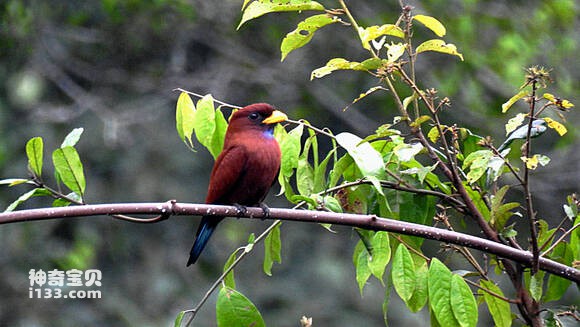
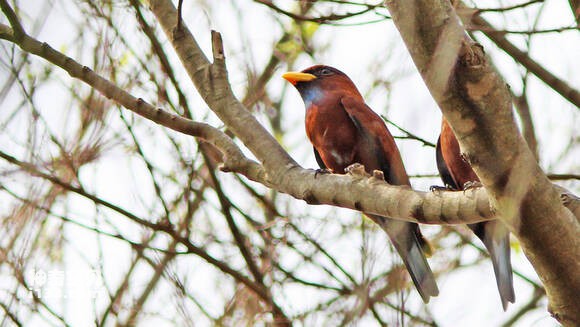
    It is similar in size to a broad-billed Trilopus, with a yellow beak, a bright red copper on the head and back, a very prominent blue throat, a red copper on the neck, chest and back, a blue tail, and black legs.

    Distribution & Habitat

    It is widely distributed in south-central Africa and is found in Angola, Benin, Cameroon, Central African Republic, Congo, Democratic Republic of Congo, Ivory Coast, Equatorial Guinea, Gabon, Ghana, Guinea, Guinea-Bissau, Liberia, Mali, Nigeria, Sierra Leone, Togo and Uganda. It is one of the least concerned Buddhas with a large population.
    Advertisement

    Visual guide

    Browse available images of this species.

    Quick answers

    Eurystomus gularis FAQs