Skip to content
Animals Top
Home>Animals>Birds>Climbing birds
Animal Profile IUCN: LC

Merops nubicoides

Merops nubicoides,Southern Carmine Bee-eater

The Southern Carmine Bee-eater is known as Merops nubicoides and Southern Carmine bee-eater.Southern red humes are egg-laying and can reproduce throughout the year, peaking in September-October, laying 2-5 eggs per nest and incubating for 11-13 days. They dig holes in the banks to build nests, and t

Climbing birds 481 views
Scientific Name Merops nubicoides,Southern Carmine Bee-eater
Length No textual research information is available
Weight No textual research information is available
Lifespan No textual research information is available
IUCN Status LC
Advertisement

Table of Contents

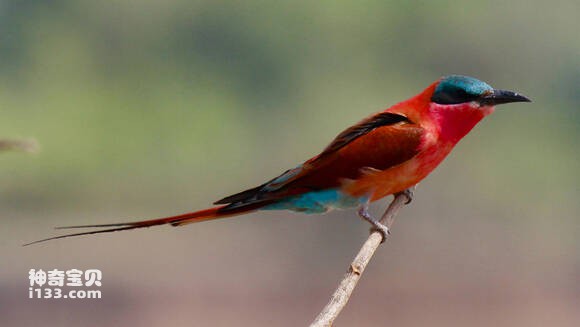
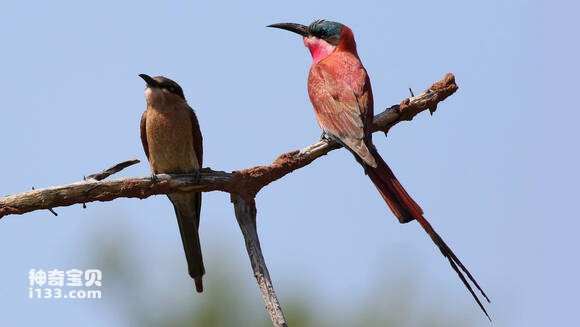
    The Southern Carmine Bee-eater is known as Merops nubicoides and Southern Carmine bee-eater.
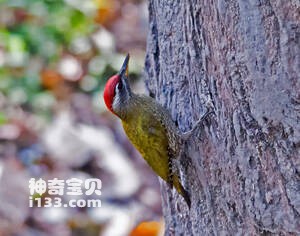
    227a14f50ad162d91b30f4641adfa9ec8b13cd64_九雷图片转换器.jpg

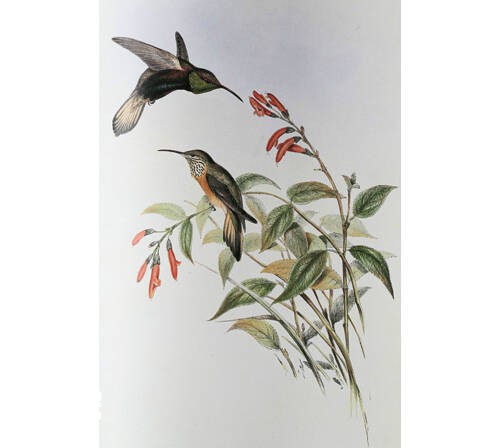
    6ae29902738da977f2c21053bb51f8198718e349_九雷图片转换器.jpg

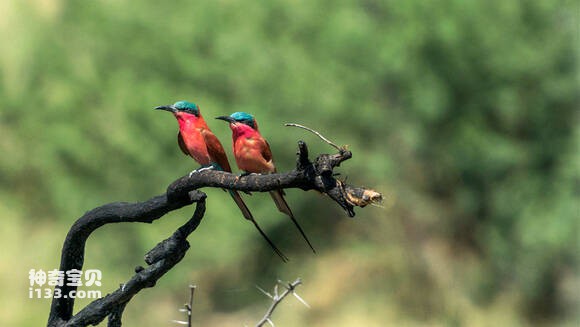
    Southern red humes are egg-laying and can reproduce throughout the year, peaking in September-October, laying 2-5 eggs per nest and incubating for 11-13 days. They dig holes in the banks to build nests, and the tunnels are 1-3.5 meters long.
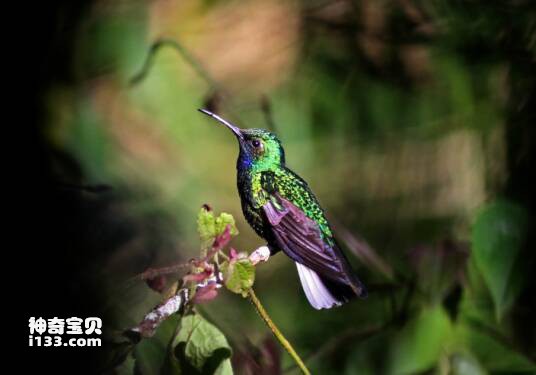
    233d17f1f736afc3c5e3a91db819ebc4b645124a_九雷图片转换器.jpg

    Listed in the International Union for Conservation of Nature (IUCN) ver 3.1:2009 Bird Red List.

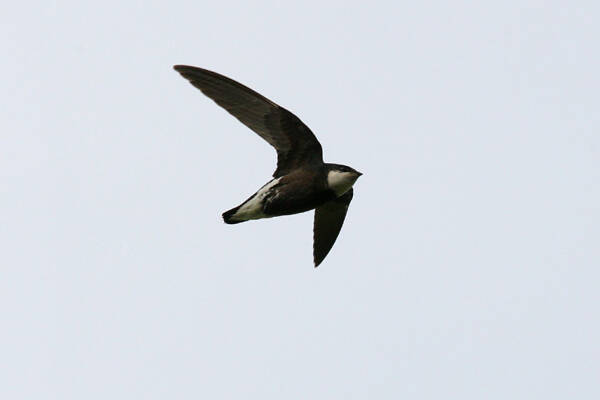
    5bfbf1500fb30f24e9757a7bc395d143ac4b034a_九雷图片转换器.jpg


    Protect wild animals and eliminate wild meat.


    Maintaining ecological balance is everyone's responsibility!


    Tags

    At a glance

    Profile Details

    Key characteristics, appearance, and habitat information.

    Traits & Behavior

    Appearance

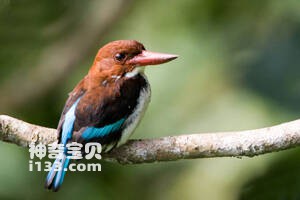
    The southern red humminger is medium-sized, with a slender, curved beak, pointed tip, and a ridge on the peak of the beak; The foot is thin, the middle toe and the outer toe are at least connected to the second joint of the base, and the inner toe is only connected to the first joint of the base; 10 primary flight feathers; 12 tail feathers; The wings are of moderate length, the legs are short, and some species have streamers on the tail. The feathers are colorful, the sexes are similar, and the young birds resemble adults.

    Distribution & Habitat

    Found throughout the tropical and temperate regions of the Old World.
    It lives in hilly woodland near the village and is arboreal.
    Advertisement

    Visual guide

    Browse available images of this species.

    Quick answers

    Merops nubicoides FAQs