Skip to content
Animals Top
Home>Animals>Birds>Climbing birds
Animal Profile IUCN: LC

Aspatha gularis

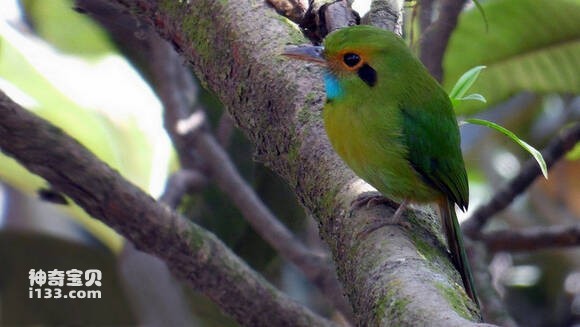
Aspatha gularis,Blue-throated Motmot

Scientific name Aspatha gularis, foreign name Blue-throated Motmot, specific habitsIt feeds on, and sometimes eats, insects, worms, lizards, various invertebrates, and small vertebrates When waiting for prey, it can calm down for a long time, and once it finds prey, it will suddenly pounce. The tail

Climbing birds 566 views
Scientific Name Aspatha gularis,Blue-throated Motmot
Length No textual research information is available
Weight No textual research information is available
Lifespan No textual research information is available
IUCN Status LC
Advertisement

Table of Contents

    Scientific name Aspatha gularis, foreign name Blue-throated Motmot, specific habits
    2956c419972bd4078a3d6f1a70899e510db309d6_九雷图片转换器.jpg

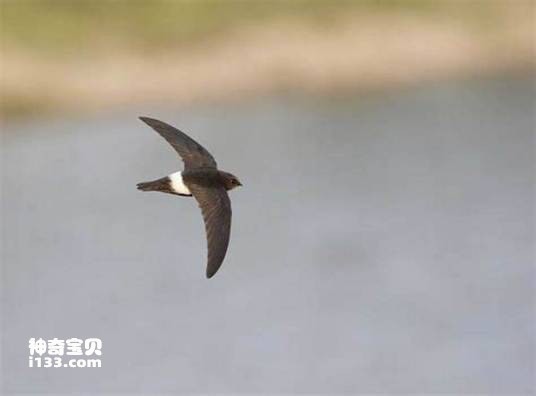
    It feeds on, and sometimes eats, insects, worms, lizards, various invertebrates, and small vertebrates When waiting for prey, it can calm down for a long time, and once it finds prey, it will suddenly pounce. The tail often swings from side to side or leans on a perch.63dbed27cffc1e17554530d64190f603718de9d7_九雷图片转换器.jpg
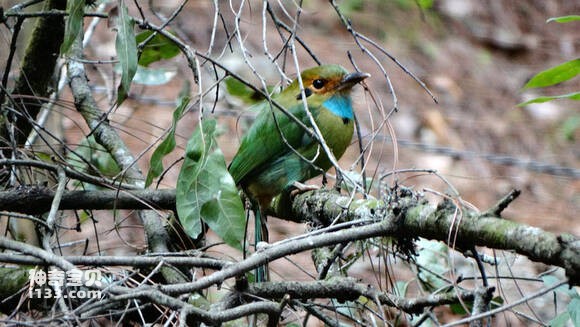
    Blue throat Cud d «¡ in the water side of the cliff bank or in the sand with a curved mouth to dig a hole for the nest, produce 3 to 4 white eggs, both sexes hatch and


    Listed on the International Union for Conservation of Nature (IUCN) 2012 Red List of Threatened Species ver 3.1 - Low Risk (LC).


    Protect wild animals and eliminate wild meat.


    Maintaining ecological balance is everyone's responsibility!


    Tags

    At a glance

    Profile Details

    Key characteristics, appearance, and habitat information.

    Traits & Behavior

    Appearance

    The beak is long, broad and slightly curved, with serrated margins. The bases of the two toes facing forward are partially healed. The tail is long, the central tail feathers are long, and there is a section of the tail shaft near the end, causing the end to form independent small feathers, forming a racquet shape, which is its distinctive feature. Wings short round; Most of the body feathers are bright green, blue and brown; Sex is different.

    Distribution & Habitat

    It is found in El Salvador, Guatemala, Honduras, Mexico.
    Inhabits open environments such as forest edges and jungles.
    Advertisement

    Visual guide

    Browse available images of this species.

    Quick answers

    Aspatha gularis FAQs