Skip to content
Animals Top
Home>Animals>Birds>Climbing birds
Animal Profile IUCN: LC

Rhyticeros cassidix

Rhyticeros cassidix,Aceros cassidix,Knobbedhornbill,Sulawesi wrinkled hornbill

Its scientific name is Rhyticeros cassidix, Aceros cassidix, foreign names Knobbedhornbill, Sulawesi wrinkled hornbill, the specific habit is unknown.Listed in the Washington Convention on Endangered Species (CITES) protection level: Class II protected species (currently not in danger of extinction,

Climbing birds 469 views
Scientific Name Rhyticeros cassidix,Aceros cassidix,Knobbedhornbill,Sulawesi wrinkled hornbill
Length No textual research information is available
Weight No textual research information is available
Lifespan No textual research information is available
IUCN Status LC
Advertisement

Table of Contents

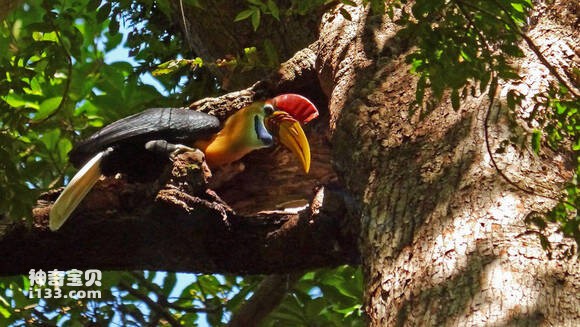
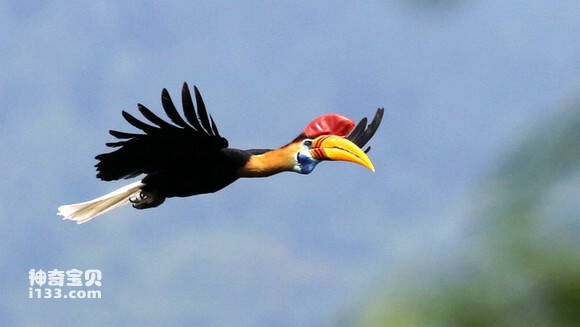
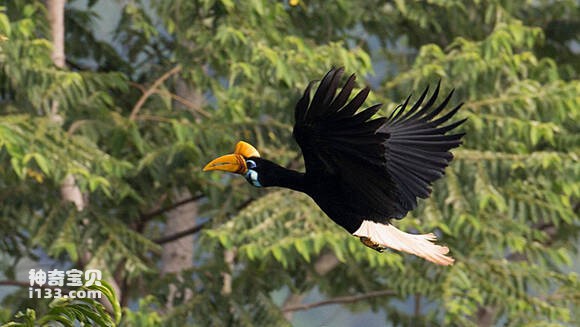
    Its scientific name is Rhyticeros cassidix, Aceros cassidix, foreign names Knobbedhornbill, Sulawesi wrinkled hornbill, the specific habit is unknown.
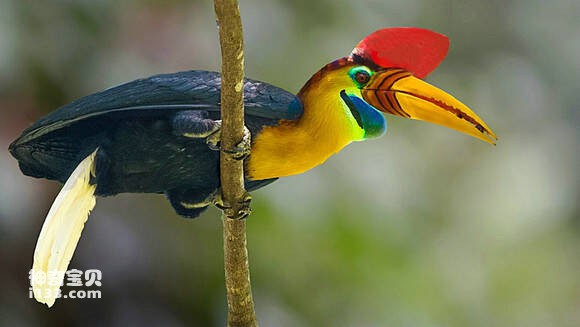
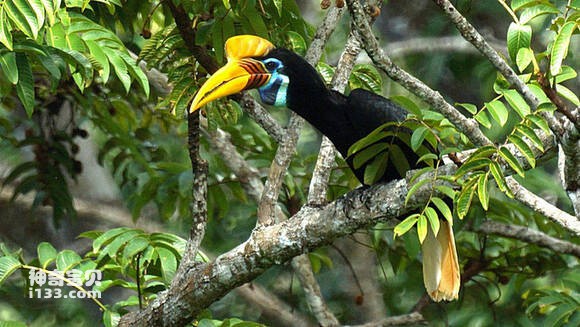
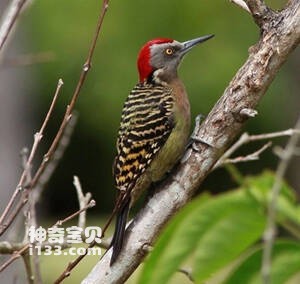
    5b8665d062d9f2d389bfbdc6a7ec8a136227cce5_九雷图片转换器.jpg

    bd6492fbaf51f3defd5b204d9aeef01f3b2979a5_九雷图片转换器.jpg

    967255f23a87e950202a6b451e385343fbf2b449_九雷图片转换器.jpg

    bb2220c3d5628535da054b089eef76c6a6ef63a1_九雷图片转换器.jpg

    084a7031e924b8997da1e01160061d950b7bf6ea_九雷图片转换器.jpg

    Listed in the Washington Convention on Endangered Species (CITES) protection level: Class II protected species (currently not in danger of extinction, and its international trade is regulated).


    International Union for Conservation of Nature (IUCN) Red List Protection level: Vulnerable Species (VU).


    Protect wild animals and eliminate wild meat.


    Maintaining ecological balance is everyone's responsibility!

    Tags

    At a glance

    Profile Details

    Key characteristics, appearance, and habitat information.

    Traits & Behavior

    Appearance

    The details are unknown.

    Distribution & Habitat

    The Hornbill is found in Southeast Asia.
    Advertisement

    Visual guide

    Browse available images of this species.

    Quick answers

    Rhyticeros cassidix FAQs