Skip to content
Animals Top
Home>Animals>Birds>Climbing birds
Animal Profile IUCN: LC

Megalaima lineata

Megalaima lineata,Lineated Barbet

Its scientific name is Megalaima lineata and its foreign name is Lineated Barbet。Listed on the International Union for Conservation of Nature (IUCN) Red List Protection Level: Not Threatened (LC).Protect wild animals and eliminate wild meat.Maintaining ecological balance is everyone's responsib

Climbing birds
Scientific Name
Megalaima lineata,Lineated Barbet
Length
No textual research information is available
Weight
No textual research information is available
Lifespan
No textual research information is available
IUCN Status
LC
Advertisement

Table of Contents

    Its scientific name is Megalaima lineata and its foreign name is Lineated Barbet。

    7addcb0e4bfbfbed9348214b73f0f736afc31f67_九雷图片转换器.jpg

    304a3c42fbf2b2113a11927ac18065380cd78ebe_九雷图片转换器.jpg

    18903586_201605211257170694CSTZ3S0Z9ELMRGVFXN_九雷图片转换器.jpg

    Listed on the International Union for Conservation of Nature (IUCN) Red List Protection Level: Not Threatened (LC).


    Protect wild animals and eliminate wild meat.


    Maintaining ecological balance is everyone's responsibility!


    Tags

    At a glance

    Profile Details

    Key characteristics, appearance, and habitat information.

    Traits & Behavior

    Appearance

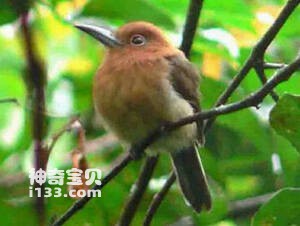
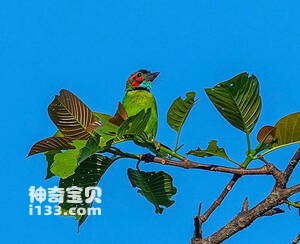
    A slightly larger (29 cm) woodpecker with a light-colored, longitudinal head. The body feathers are green, the head and neck are yellowish brown, and the head and lower body are striped.
    Iris - straw-yellow; Mouth - light yellow; Feet - Yellow.

    Distribution & Habitat

    Picoides are found in the western Himalayas to Northeast India, Southeast Asia, Java and Bali.
    The subspecies hodgsoni has been recorded in the lowlands of southern and southwestern Yunnan. It is common locally and may also be found in southeastern Tibet.

    Quick answers

    Megalaima lineata FAQs

    Follow your curiosity

    Keep Exploring Animals

    Read more about animal biology, compare similar-looking species, or browse the animal encyclopedia.