Skip to content
Animals Top
Home>Animals>Birds>Climbing birds
Animal Profile IUCN: LC

Megalaima chrysopogon

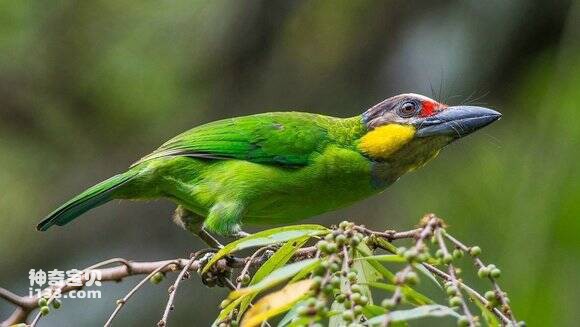
Megalaima chrysopogon,Golden-whiskered Barbet

Megalaima chrysopogon and Golden-whiskered Barbet have three subspecies. Golden-cheeked woodpeckers live in the canopy, are good at camouflage, are active all day, and eat fruit, usually choosing to eat fully ripe fruit, but also eat seeds, insects and even lizards and birds. Love

Climbing birds 474 views
Scientific Name Megalaima chrysopogon,Golden-whiskered Barbet
Length No textual research information is available
Weight No textual research information is available
Lifespan No textual research information is available
IUCN Status LC
Advertisement

Table of Contents

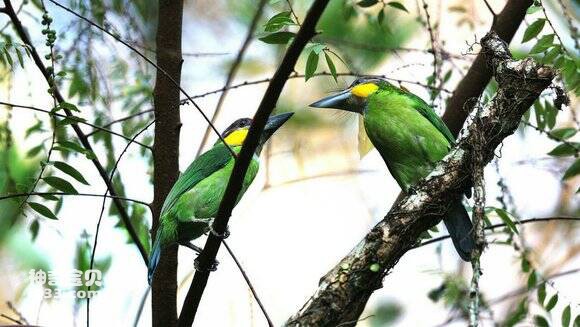
    Megalaima chrysopogon and Golden-whiskered Barbet have three subspecies.
    3e65e583b9014a90b0085689a2773912b31bee47_九雷图片转换器.jpg

         Golden-cheeked woodpeckers live in the canopy, are good at camouflage, are active all day, and eat fruit, usually choosing to eat fully ripe fruit, but also eat seeds, insects and even lizards and birds. Love to tweet, and the sound is loud, similar to "tehoop tehoop-tehoop tehoop".
    f1611cf182025aaf96046efff0edab64034f1a46_九雷图片转换器.jpg


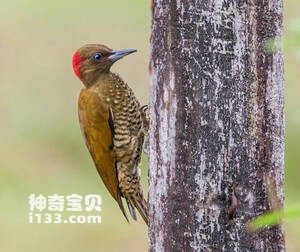
    The breeding season of the golden-cheeked Woodpecker is from February to August, with two eggs laid per litter and the eggs are white.


    Protect wild animals and eliminate wild meat.


    Maintaining ecological balance is everyone's responsibility!


    Tags

    At a glance

    Profile Details

    Key characteristics, appearance, and habitat information.

    Traits & Behavior

    Appearance

    The details are unknown.

    Distribution & Habitat

    The species is found in Brunei, Indonesia, Malaysia, Thailand, Borneo and Sumatra.
    The natural habitat of this species is mainly subtropical or tropical moist lowland forests and mountain forests, and is rare in evergreen forests and swamp forests, occasionally occurring on cocoa plantations.
    Advertisement

    Visual guide

    Browse available images of this species.

    Quick answers

    Megalaima chrysopogon FAQs