Skip to content
Animals Top
Home>Animals>Birds>Climbing birds
Animal Profile IUCN: LC

Sphyrapicus nuchalis

Sphyrapicus nuchalis,Red-naped Sapsucker

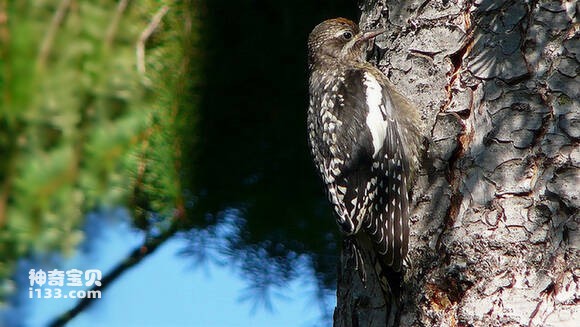
红颈吸汁啄木鸟学名Sphyrapicus nuchalis,外文名Red-naped Sapsucker,长期被认为是黄腹啄木鸟的亚种,基因遗传分析表明,现已为独立物种。已知黄腹吸汁啄木鸟,红颈吸汁啄木鸟,红胸吸汁啄木鸟这三种互相杂交,具体习性不详。Listed in the International Union for Conservation of Nature (IUCN) ver 3.1:2009 Bird Red

Climbing birds 505 views
Scientific Name Sphyrapicus nuchalis,Red-naped Sapsucker
Length No textual research information is available
Weight No textual research information is available
Lifespan No textual research information is available
IUCN Status LC
Advertisement

Table of Contents

    红颈吸汁啄木鸟学名Sphyrapicus nuchalis,外文名Red-naped Sapsucker,长期被认为是黄腹啄木鸟的亚种,基因遗传分析表明,现已为独立物种。已知黄腹吸汁啄木鸟,红颈吸汁啄木鸟,红胸吸汁啄木鸟这三种互相杂交,具体习性不详。
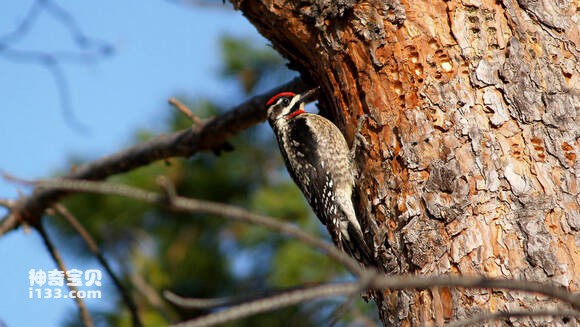
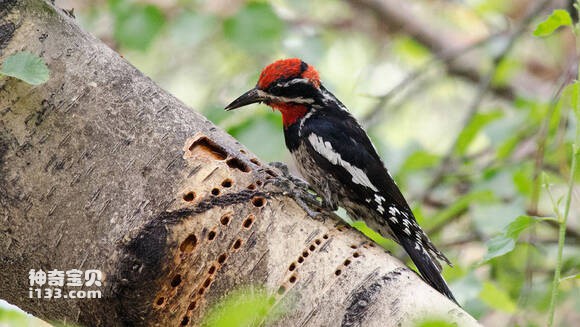
    99732591f603738d03c4fa33b81bb051f919ec8d_九雷图片转换器.jpg

    6762d613c8fcc3cead4f3f229945d688d53f2083_九雷图片转换器.jpg

    db80dd109313b07ec065a61907d7912396dd8cbe_九雷图片转换器.jpg


    Listed in the International Union for Conservation of Nature (IUCN) ver 3.1:2009 Bird Red List.


    Protect wild animals and eliminate wild meat.


    Maintaining ecological balance is everyone's responsibility!

    Tags

    At a glance

    Profile Details

    Key characteristics, appearance, and habitat information.

    Traits & Behavior

    Appearance

    The details are unknown.

    Distribution & Habitat

    The red-necked woodpecker is found in North America, including the United States, Canada, Greenland, Bermuda, St. Pierre and Miquelon Islands, and the transition zone between North and Central America in Mexico. Central America, located between North and South America, includes Guatemala, Belize, Honduras, El Salvador, Nicaragua, Costa Rica, Panama, Bahamas, Cuba, Haiti, Jamaica, Dominica, Antigua and Barbuda, Saint Vincent and the Grenadines, Saint Lucia, Barbados, Grenada, Trinidad and Tobago and other countries and territories.
    Advertisement

    Visual guide

    Browse available images of this species.

    Quick answers

    Sphyrapicus nuchalis FAQs