Skip to content
Animals Top
Home>Animals>Birds>Climbing birds
Animal Profile IUCN: LC

Dendropicos griseocephalus

Dendropicos griseocephalus,Olive Woodpecker

The African grey Woodpecker is known as Dendropicos griseocephalus and Olive Woodpecker.Listed in the International Union for Conservation of Nature (IUCN) ver 3.1:2009 Bird Red List.Protect wild animals and eliminate wild meat.Maintaining ecological balance is everyone's responsibility!

Climbing birds
Scientific Name
Dendropicos griseocephalus,Olive Woodpecker
Length
No textual research information is available
Weight
No textual research information is available
Lifespan
No textual research information is available
IUCN Status
LC
Advertisement

Table of Contents

    The African grey Woodpecker is known as Dendropicos griseocephalus and Olive Woodpecker.

    08465b9a033b5bb5f88b99e73dd3d539b600bc3a_九雷图片转换器.jpg

    fac625ec2e738bd45f9d0b28aa8b87d6267ff9db_九雷图片转换器.jpg

    2fc1602542a7d9330cf55d6aa64bd11373f00139_九雷图片转换器.jpg

    Listed in the International Union for Conservation of Nature (IUCN) ver 3.1:2009 Bird Red List.


    Protect wild animals and eliminate wild meat.


    Maintaining ecological balance is everyone's responsibility!


    Tags

    At a glance

    Profile Details

    Key characteristics, appearance, and habitat information.

    Traits & Behavior

    Appearance

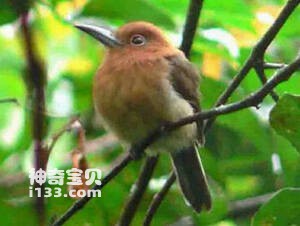
    The mouth is as stiff as a chisel; The tongue is long and telescopic, with short hooks at the tip; Feet slightly shorter, 4-toed, 2 toes forward, 2 toes backward; The tail is flat or wedge-shaped, and the tail feathers are mostly 12, and the feathers are hard and elastic, supporting the body when pecking.

    Distribution & Habitat

    The African grey woodpecker is found in central and southern Africa, including the southern Arabian Peninsula and the entire African continent south of the Sahara Desert (Tropic of Cancer).

    Quick answers

    Dendropicos griseocephalus FAQs

    Follow your curiosity

    Keep Exploring Animals

    Read more about animal biology, compare similar-looking species, or browse the animal encyclopedia.