Skip to content
Animals Top
Home>Animals>Birds>Climbing birds
Animal Profile IUCN: LC

Yungipicus moluccensis

Yungipicus moluccensis,Dendrocopos moluccensis,Sunda Woodpecker, Sunda Pygmy Woodpecker

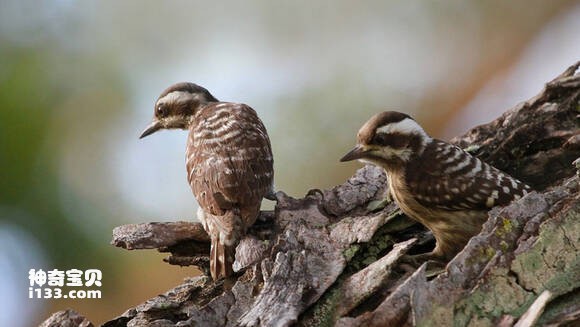
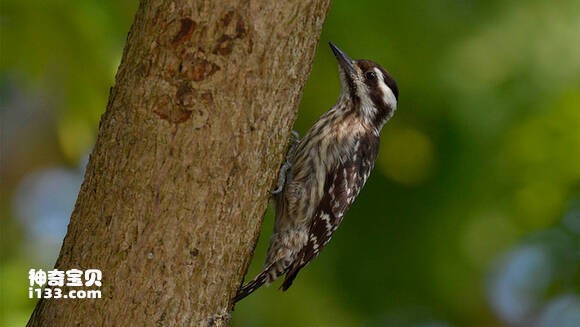
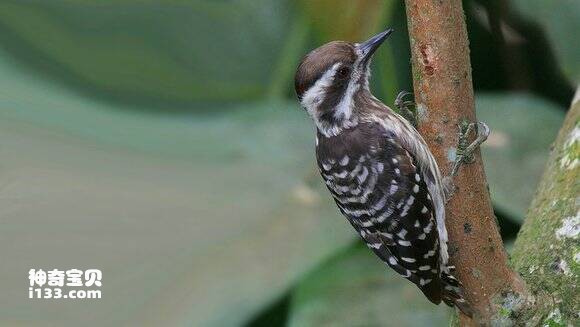
The Sunda Woodpecker, whose scientific names are Yungipicus moluccensis, Dendrocopos moluccensis, Sunda Woodpecker, Sunda Pygmy Woodpecker, mainly feeds on insects in the tree trunks, mainly pests. Other specific habits are unknown.Listed in the International Union for Conservation of Nature (IUCN)

Climbing birds 476 views
Scientific Name Yungipicus moluccensis,Dendrocopos moluccensis,Sunda Woodpecker, Sunda Pygmy Woodpecker
Length No textual research information is available
Weight No textual research information is available
Lifespan No textual research information is available
IUCN Status LC
Advertisement

Table of Contents

    The Sunda Woodpecker, whose scientific names are Yungipicus moluccensis, Dendrocopos moluccensis, Sunda Woodpecker, Sunda Pygmy Woodpecker, mainly feeds on insects in the tree trunks, mainly pests. Other specific habits are unknown.
    eb9d19084b36acaf6f0b3fe577d98d1000e99cb7_九雷图片转换器.jpg

    a5478adce71190ef23083bc6c51b9d16fcfa60af_九雷图片转换器.jpg

    dd6d2e35970a304ea4ce09e3dac8a786c8175caa_九雷图片转换器.jpg


    Listed in the International Union for Conservation of Nature (IUCN) ver 3.1:2009 Bird Red List.


    Protect wild animals and eliminate wild meat.


    Maintaining ecological balance is everyone's responsibility!


    Tags

    At a glance

    Profile Details

    Key characteristics, appearance, and habitat information.

    Traits & Behavior

    Appearance

    The details are unknown.

    Distribution & Habitat

    The Sunda woodpecker is found in the Pacific islands, including China's Taiwan Province, Dongsha Islands, Paracel Islands, Zhongsha Islands, and Spratly Islands, as well as the Philippines, Brunei, Malaysia, Singapore, Indonesia's Sumatra, Java, and Papua New Guinea.
    Advertisement

    Visual guide

    Browse available images of this species.

    Quick answers

    Yungipicus moluccensis FAQs