Skip to content
Animals Top
Home>Animals>Birds>Climbing birds
Animal Profile IUCN: LC

Dendrocopos macei

Dendrocopos macei,Fulvous-breasted woodpecker

Dendrocopos macei, Fulvus-breasted woodpecker, has a ringing tuk-tuk call and a tirri-tierrier-tierrierie warble. Other specific habits are unknown。Listed on the International Union for Conservation of Nature (IUCN) Red List Protection Level: Not Threatened (LC).Protect wild animals and eliminate w

Climbing birds 503 views
Scientific Name Dendrocopos macei,Fulvous-breasted woodpecker
Length About 18 cm
Weight No textual research information is available
Lifespan No textual research information is available
IUCN Status LC
Advertisement

Table of Contents

    Dendrocopos macei, Fulvus-breasted woodpecker, has a ringing tuk-tuk call and a tirri-tierrier-tierrierie warble. Other specific habits are unknown。
    f1bac887c9177f3e592b2c067bcf3bc79f3d5615_九雷图片转换器.jpg

    cbb6d84443a982264d2cfa2c8182b9014b90eb44_九雷图片转换器.jpg

    2ca5fe2297dda1444317bcb9b9b7d0a20cf48617_九雷图片转换器.jpg


    Listed on the International Union for Conservation of Nature (IUCN) Red List Protection Level: Not Threatened (LC).


    Protect wild animals and eliminate wild meat.


    Maintaining ecological balance is everyone's responsibility!


    Tags

    At a glance

    Profile Details

    Key characteristics, appearance, and habitat information.

    Traits & Behavior

    It's a very small woodpecker with black and white spots

    Appearance

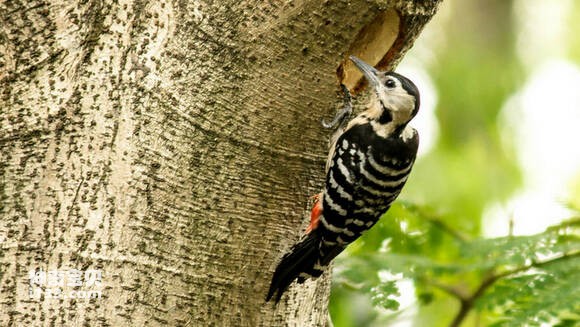
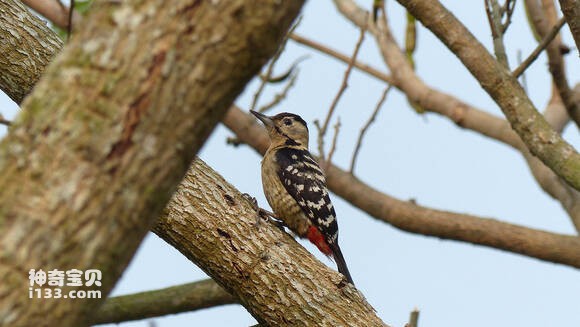
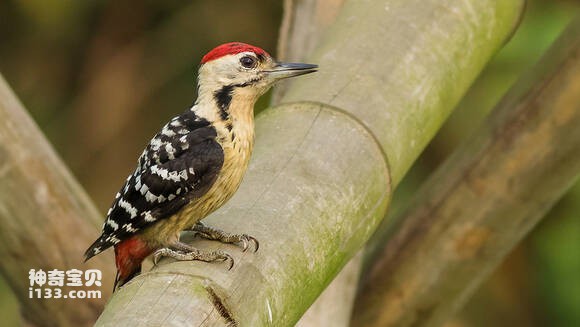
    The tea-breasted woodpecker is a very small black-white-spotted woodpecker. The male bird has a red top and the female bird has a black top. The side of the face is white, with black cheek stripes and collar rings; Black and white markings on the upper body; The lower body is yellow with black stripes, and the tail is covered with red feathers. Iris - brown; Mouth - blue black above and blue gray below; Feet - Olive.

    Distribution & Habitat

    The species is found in the Himalayas, India, Southeast Asia and the Greater Sunda Islands. It is a common resident bird in the eastern Himalayas and can reach an altitude of 2000 m. There are records of bird watching in Tibet and Yunnan.
    Woodpeckers like open woodlands and secondary forests, farms and courtyards.
    Advertisement

    Visual guide

    Browse available images of this species.

    Quick answers

    Dendrocopos macei FAQs