Skip to content
Animals Top
Home>Animals>Birds>Climbing birds
Animal Profile IUCN: LC

Veniliornis maculifrons

Veniliornis maculifrons,Yellow-eared woodpecker

The Yellow-eared woodpecker is known by its scientific name Veniliornis maculifrons and foreign name yellow-eared woodpecker.Listed in the International Union for Conservation of Nature (IUCN) ver 3.1:2009 Bird Red List.Protect wild animals and eliminate wild meat.Maintaining ecological balance is e

Climbing birds 478 views
Scientific Name Veniliornis maculifrons,Yellow-eared woodpecker
Length No textual research information is available
Weight No textual research information is available
Lifespan No textual research information is available
IUCN Status LC
Advertisement

Table of Contents

    The Yellow-eared woodpecker is known by its scientific name Veniliornis maculifrons and foreign name yellow-eared woodpecker.
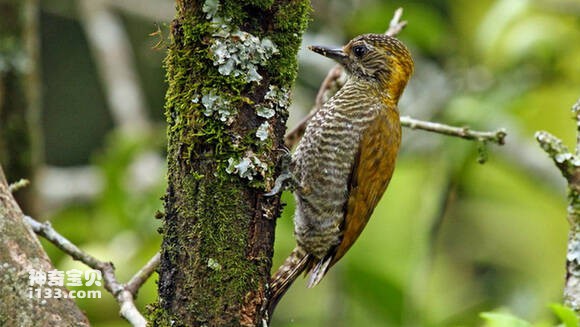
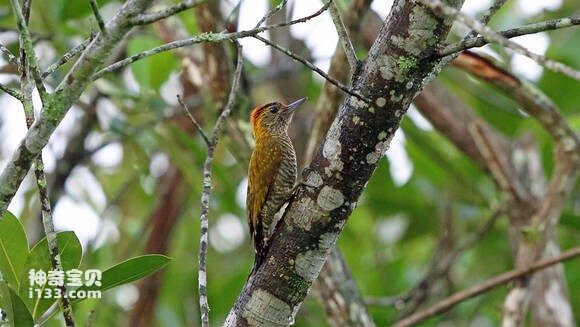
    d2a1382d11dfa9ec0c7a695969d0f703908fc19f_九雷图片转换器.jpg

    2a096d097bf40ad1e3f2f8ad5c2c11dfa8ecced9_九雷图片转换器.jpg

    4e7472940a7b0208049d00af69d9f2d3562cc89f_九雷图片转换器.jpg

    Listed in the International Union for Conservation of Nature (IUCN) ver 3.1:2009 Bird Red List.


    Protect wild animals and eliminate wild meat.


    Maintaining ecological balance is everyone's responsibility!


    Tags

    At a glance

    Profile Details

    Key characteristics, appearance, and habitat information.

    Traits & Behavior

    Appearance

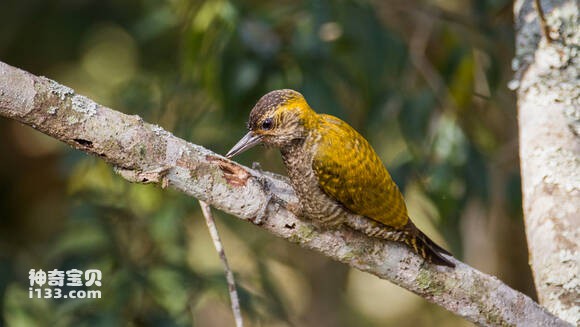
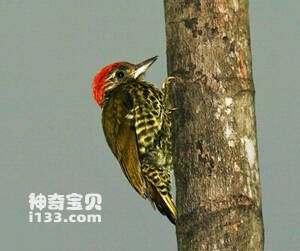
    Yellow-eared woodpecker has a large head, a long neck, a strong and straight beak, a chisel shape, and bare nostrils. The ceratohyoid bone extends into a circular band on both sides from the throat around the occipital and above the rostral base.

    Distribution & Habitat

    The Yellow-eared Woodpecker is found in South America, including Colombia, Venezuela, Guyana, Suriname, Ecuador, Peru, Bolivia, Paraguay, Brazil, Chile, Argentina, Uruguay, and the Falkland Islands (also known as the Malvinas Islands).
    Advertisement

    Visual guide

    Browse available images of this species.

    Quick answers

    Veniliornis maculifrons FAQs