Skip to content
Animals Top
Home>Animals>Birds>Climbing birds
Animal Profile IUCN: LC

Picus viridis

Picus viridis,European green woodpecker

The European green woodpecker, known as Picus viridis or European Green Woodpecker, is different from other woodpeckers in that it feeds mostly on ants and rarely pecks woodworms. European green woodpeckers nest in trees. 4 to 6 eggs are laid at a time and hatch after 19 to 20 years.Protect wild ani

Climbing birds 580 views
Scientific Name Picus viridis,European green woodpecker
Length 30-36 cm
Weight No textual research information is available
Lifespan No textual research information is available
IUCN Status LC
Advertisement

Table of Contents

    The European green woodpecker, known as Picus viridis or European Green Woodpecker, is different from other woodpeckers in that it feeds mostly on ants and rarely pecks woodworms. European green woodpeckers nest in trees. 4 to 6 eggs are laid at a time and hatch after 19 to 20 years.
    f4755afbe6cd7b89182fca0f042442a7d8330e6a_九雷图片转换器.jpg

    aa610c2662d0f7035e19655003fa513d2797c503_九雷图片转换器.jpg

    19a9d9fc5266d016765a6ea49c2bd40734fa356a_九雷图片转换器.jpg


    Protect wild animals and eliminate wild meat.


    Maintaining ecological balance is everyone's responsibility!


    Tags

    At a glance

    Profile Details

    Key characteristics, appearance, and habitat information.

    Traits & Behavior

    Appearance

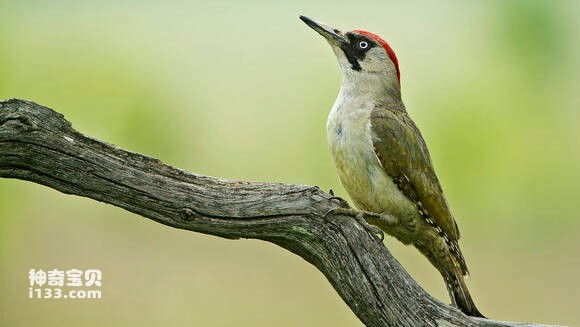
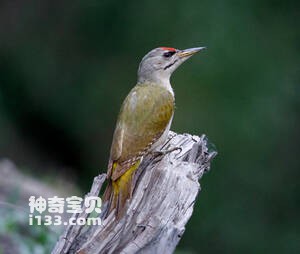
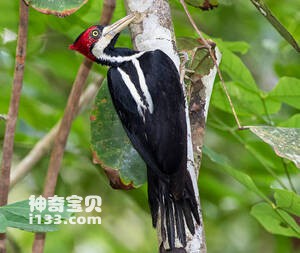
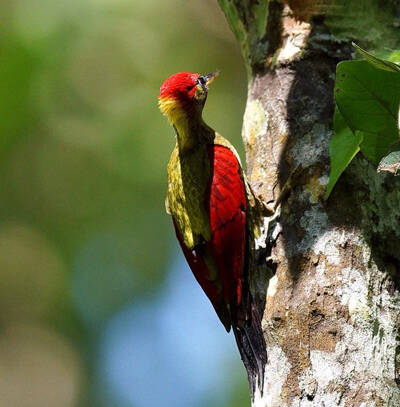
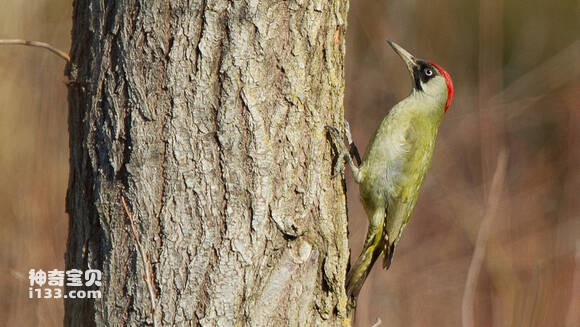
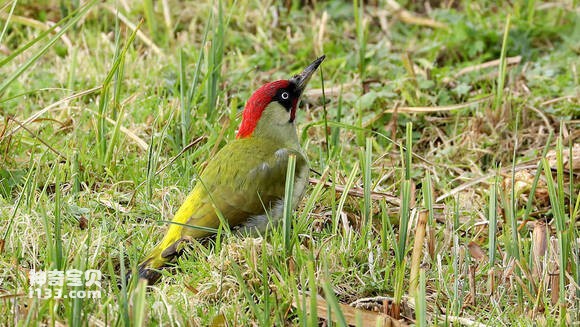
    The European green woodpecker has a body length of 30-36 cm and a wingspan of 45-51 cm. The feathers of the European green woodpecker are green on the back and light yellow on the belly. The eye ends are black (except in Iberian subspecies); The male has a red crown on the head, while the female is all black. The chicks are covered with spots and stripes.

    Distribution & Habitat

    The European green woodpecker is distributed in Europe and Western Asia.
    75% of the range of the European green woodpecker is found in Europe.
    Advertisement

    Visual guide

    Browse available images of this species.

    Quick answers

    Picus viridis FAQs