Skip to content
Animals Top
Home>Animals>Birds>Climbing birds
Animal Profile IUCN: LC

Mulleripicus funebris

Mulleripicus funebris,Northern sooty woodpecker

The species' scientific name is Mulleripicus funebris and its foreign name is Northern sooty woodpecker.Listed in the International Union for Conservation of Nature (IUCN) ver 3.1:2009 Bird Red List.Protect wild animals and eliminate wild meat.Maintaining ecological balance is everyone's res

Climbing birds 509 views
Scientific Name Mulleripicus funebris,Northern sooty woodpecker
Length No textual research information is available
Weight No textual research information is available
Lifespan No textual research information is available
IUCN Status LC
Advertisement

Table of Contents

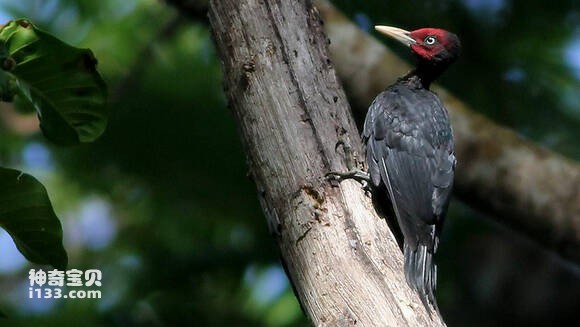
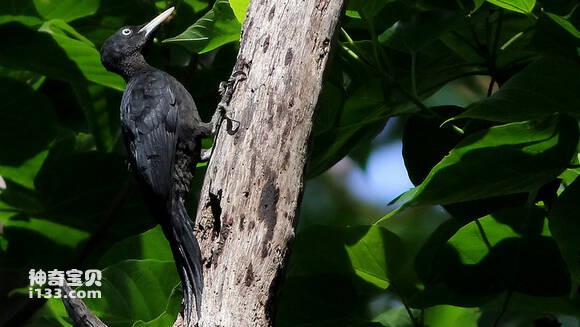
    The species' scientific name is Mulleripicus funebris and its foreign name is Northern sooty woodpecker.
    97372ca88226cffc4ce09f3cb2014a90f403eaed_九雷图片转换器.jpg

    d3acdb8e8c5494ee16ba2f9726f5e0fe98257e13_九雷图片转换器.jpg


    Listed in the International Union for Conservation of Nature (IUCN) ver 3.1:2009 Bird Red List.


    Protect wild animals and eliminate wild meat.


    Maintaining ecological balance is everyone's responsibility!


    Tags

    At a glance

    Profile Details

    Key characteristics, appearance, and habitat information.

    Traits & Behavior

    Appearance

    North black woodpecker beak stiff as chisel; The tongue is long and telescopic, with short hooks at the tip; Feet slightly shorter, 4-toed, 2 toes forward, 2 toes backward; The tail is flat or wedge-shaped, and the tail feathers are mostly 12, and the feathers are hard and elastic, supporting the body when pecking.

    Distribution & Habitat

    The Northern woodpeckers are found in the Pacific islands, including Taiwan Province of China, Dongsha Islands, Paracel Islands, Zhongsha Islands, Spratly Islands, and the Philippines, Brunei, Malaysia, Singapore, Indonesia's Sumatra, Java, and Papua New Guinea.
    Advertisement

    Visual guide

    Browse available images of this species.

    Quick answers

    Mulleripicus funebris FAQs