Skip to content
Animals Top
Home>Animals>Birds>Climbing birds
Animal Profile IUCN: LC

Colaptes rupicola

Colaptes rupicola,Andean flicker

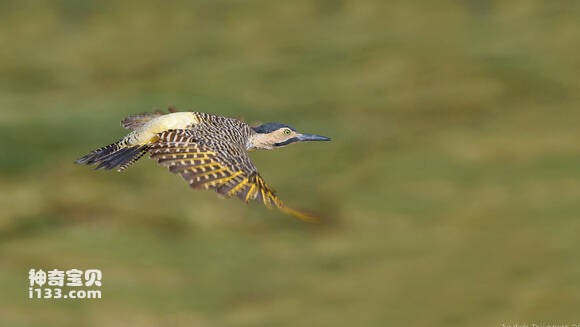
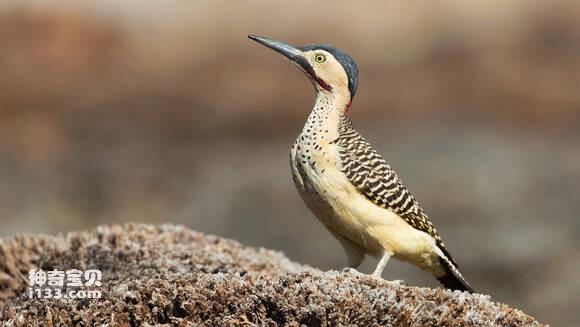
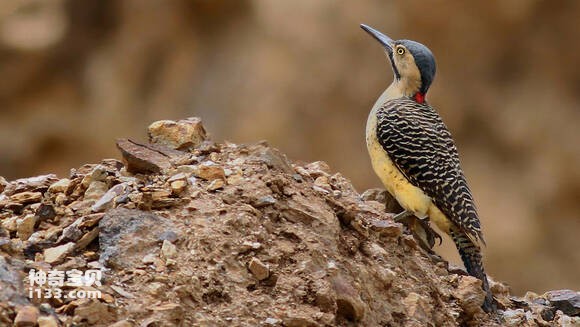
The scientific name Colaptes rubicola, also known as Andean flicker, is a large woodpecker found in the Andes Mountains of the Americas. Unlike most other woodpeckers, it is usually seen on the ground and feeds on ants and other insects. Occasionally, it also eats plant fruits and seeds. The flappin

Climbing birds 538 views
Scientific Name Colaptes rupicola,Andean flicker
Length There are currently no research materials available
Weight There are currently no research materials available
Lifespan There are currently no research materials available
IUCN Status LC
Advertisement

Table of Contents

    The scientific name Colaptes rubicola, also known as Andean flicker, is a large woodpecker found in the Andes Mountains of the Americas. Unlike most other woodpeckers, it is usually seen on the ground and feeds on ants and other insects. Occasionally, it also eats plant fruits and seeds. The flapping dart usually builds its own nest or occupies the nest of other woodpeckers, and is incubated and nurtured by both parents together.
    8b166c4e78f0f7364c5a02fd0155b319eac4131d_九雷图片转换器.jpg

    16a1ba38b6003af37206929c3e2ac65c1138b605_九雷图片转换器.jpg

    a66a597bdab44aedd5f3f018b81c8701a08bfb05_九雷图片转换器.jpg

    Listed in the IUCN ver 3.1:2009 Red List of Birds.


    Protect wild animals and eliminate wild game.


    Maintaining ecological balance is everyone's responsibility!

    Tags

    At a glance

    Profile Details

    Key characteristics, appearance, and habitat information.

    Traits & Behavior

    Appearance

    Specific details are unknown.

    Distribution & Habitat

    The Andean winged beetle is distributed in South America, including Colombia, Venezuela, Guyana, Suriname, Ecuador, Peru, Bolivia, Paraguay, Brazil, Chile, Argentina, Uruguay, and the Malvinas Islands (also known as the Falkland Islands).
    Advertisement

    Visual guide

    Browse available images of this species.

    Quick answers

    Colaptes rupicola FAQs