When people search for birds with amazing nests, they are usually looking for more than a pretty photo. They want to know which birds build the coolest nests, what makes those nests special, and why the birds build them that way. Around the world, birds use mud, grass, leaves, sticks, saliva, and even floating plants to create nurseries that protect eggs and chicks from predators, heat, wind, flooding, and competition.
Some of the most beautiful bird nests are not just beautiful—they are highly practical. A hanging woven nest can make it harder for predators to enter. A giant communal nest can help birds survive harsh desert temperatures. A floating nest can rise and drift with changing water levels. In other words, the world’s most amazing bird nests are also some of the smartest.
Below are 11 birds with the most amazing nests in the world, along with each nest’s standout feature, why the bird builds it that way, and how the nests compare.
Here are 11 of the most impressive, creative, and mind-blowing bird nests ever built.
| Bird | Nest highlight | Why it builds the nest this way | Suggested image caption |
|---|---|---|---|
| Montezuma Oropendola | Long hanging woven pouch nests suspended from high branches | Hanging nests help reduce predator access and work well in large breeding colonies | Hanging woven nests of the Montezuma oropendola swaying from tall tropical branches |
| Malleefowl | Huge ground mound made of sand and decaying vegetation | The mound works like a natural incubator, using heat from decomposition and sunlight | A giant malleefowl incubation mound built from soil, leaf litter, and sand |
| African Jacana | Floating nest built on aquatic vegetation | A floating platform helps the bird breed in wetlands where water levels shift | An African jacana nest resting on floating water plants |
| Cactus Ferruginous Pygmy-Owl | Nest cavity inside a saguaro cactus or tree cavity | Nesting in cavities offers shelter and protection in hot desert habitats | A tiny pygmy-owl nesting inside a cavity in a desert cactus |
| Sociable Weaver | Massive communal nest with many chambers | Shared nesting helps with insulation and colony living in harsh desert conditions | A huge communal sociable weaver nest hanging like a grass roof in a tree |
| Edible-Nest Swiftlet | Cup-shaped nest made largely from hardened saliva | Saliva helps the nest stick securely to cave walls or vertical surfaces | A white edible-nest swiftlet nest attached to a dark cave wall |
| Tailorbird | Leaves stitched together to form a cradle for the inner nest | Sewn leaves help camouflage and protect the nest from rain and predators | A tailorbird nest made by sewing living leaves together with plant fibers |
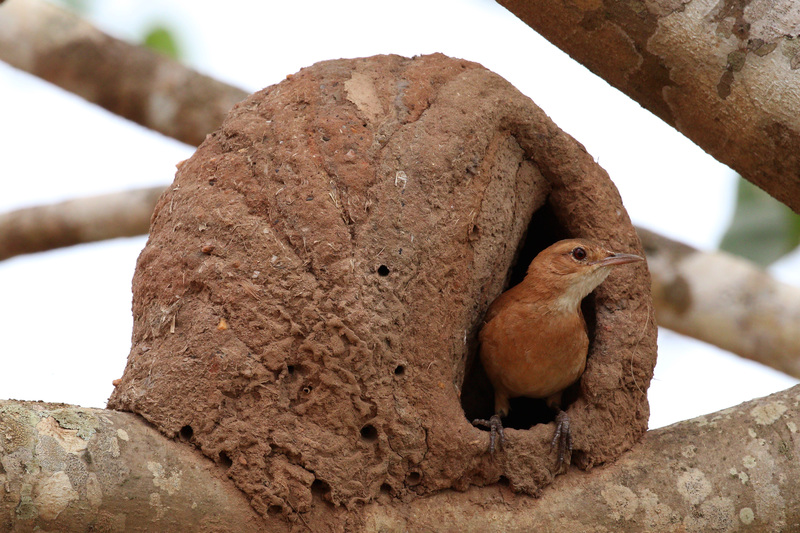
| Ovenbird | Hard mud dome with a protected inner chamber | Mud creates a strong, weather-resistant nest that can deter intruders | A clay ovenbird nest shaped like a small earthen oven |
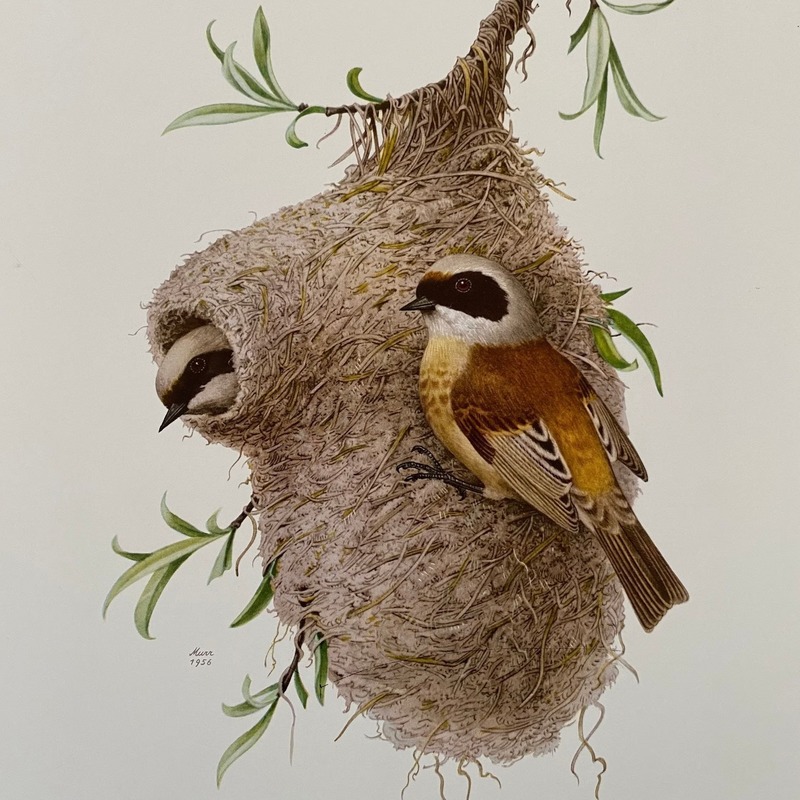
| Penduline Tit | Soft hanging woven nest with a narrow entrance | A suspended nest helps conceal eggs and reduce easy predator access | A delicate penduline tit nest hanging like a soft pouch from reeds or branches |
| Bee-eater | Long tunnel nest dug into sandy banks or cliffs | Tunnels protect eggs underground and allow colony nesting in soft soil | Bee-eater nesting tunnels dug into a sandy riverbank or cliff face |
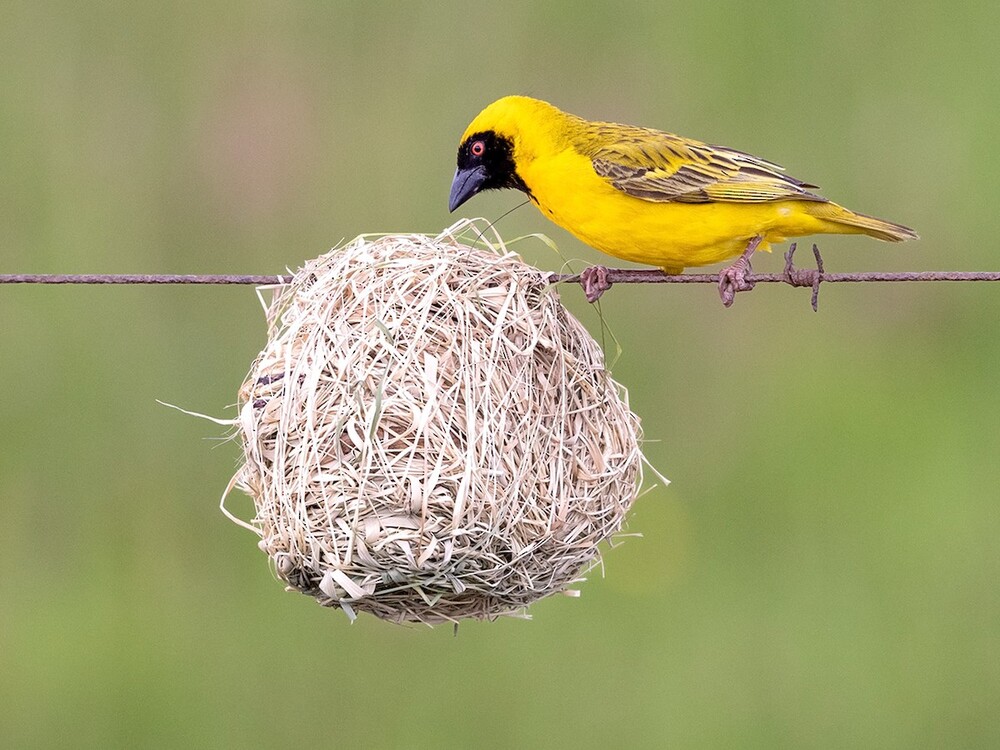
| Southern Masked Weaver | Fast-built hanging grass nest, often with a neat entrance tunnel | Woven hanging nests help with mate choice and provide a sheltered chamber for eggs | A freshly woven masked weaver nest hanging from reeds or thorny branches |
1. Montezuma Oropendola – Hanging Nests That Resemble Fruit
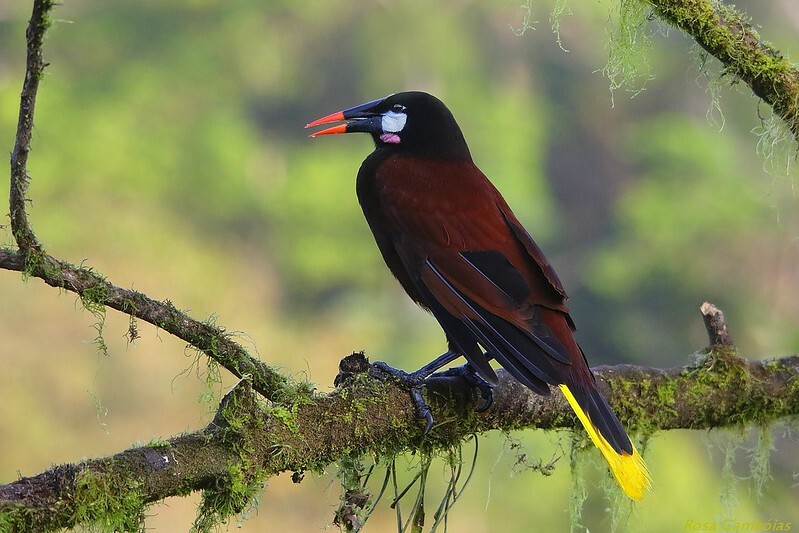
From a distance, the nests of the Montezuma oropendola look like dangling tropical fruit. But don’t be fooled—they’re expertly woven pouches suspended from treetops, often with 30 to 100 nests decorating one tree! Each nest is crafted by a female, but one dominant male mates with all the females in the colony. Their craftsmanship is not just stunning—it’s communal, competitive, and protective.
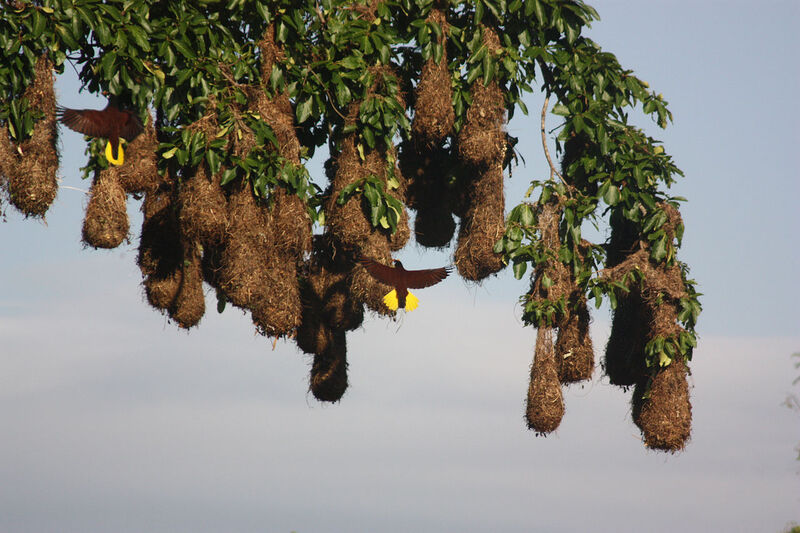
Hanging bird nests in a farm field near Quesada, Costa Rica
2. Malleefowl – The Ground-Based Incubator
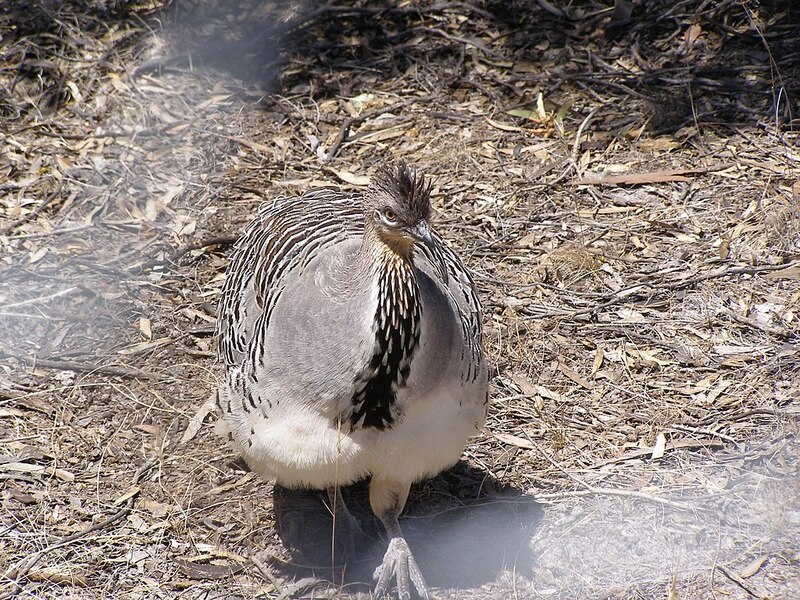
Who said nests have to be in trees? The malleefowl builds enormous mounds on the ground, some stretching 150 feet in circumference. The male digs a deep hole, fills it with organic material, and covers it with sand.
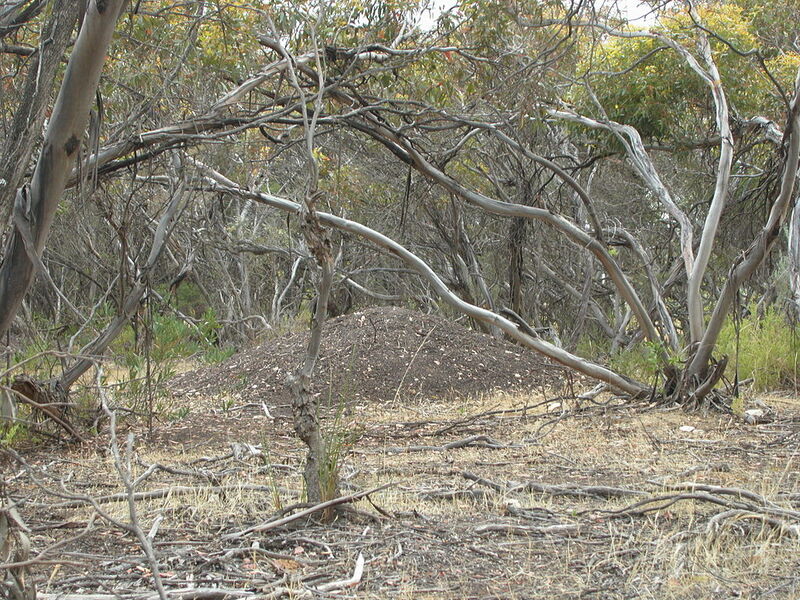
Nest of the Malleefowl
The rotting matter heats the eggs naturally—an eco-friendly incubator. But hatchlings must dig through thick layers to emerge—sometimes taking up to 15 hours to break free.
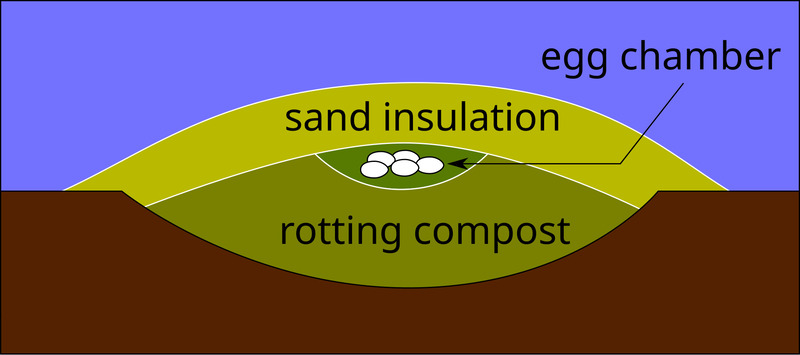
Cross section of a nest mound of a Malleefowl.
3. African Jacana – Floating Pads for a Modern Dad
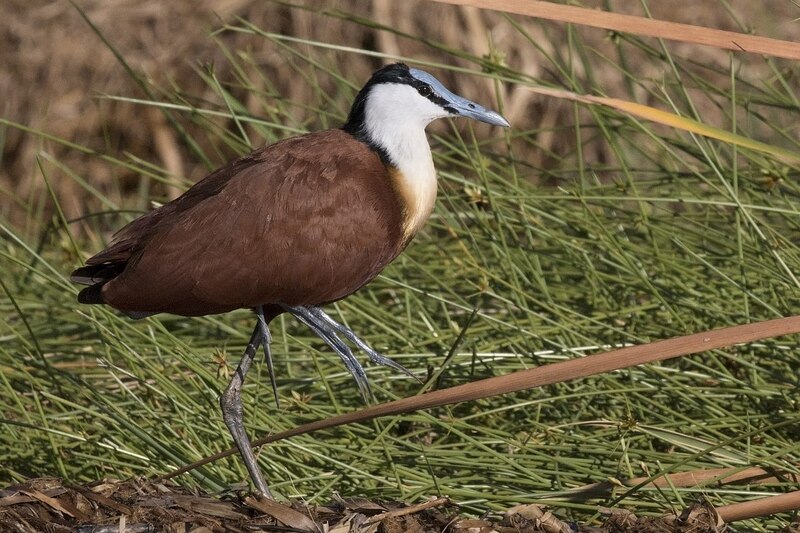
Imagine nesting on lily pads! That’s what the African jacana does. Males construct floating nests, and females lay their eggs on their favorite one.
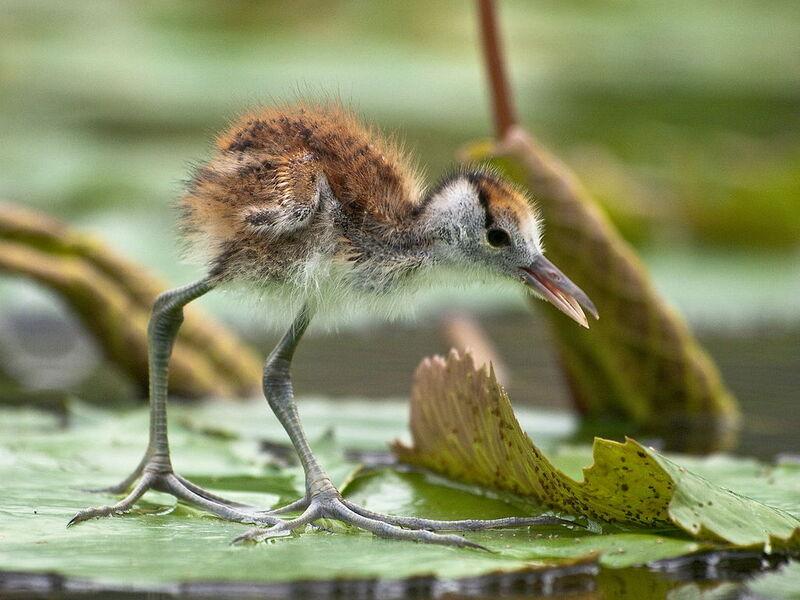
During floods, these nests can drift to safety—but they also risk capsizing. Interestingly, it's the males who handle incubation and chick care, while females roam free to mate with other males. Talk about a progressive parenting model!
4. Cactus Ferruginous Pygmy Owl – Home in a Cactus
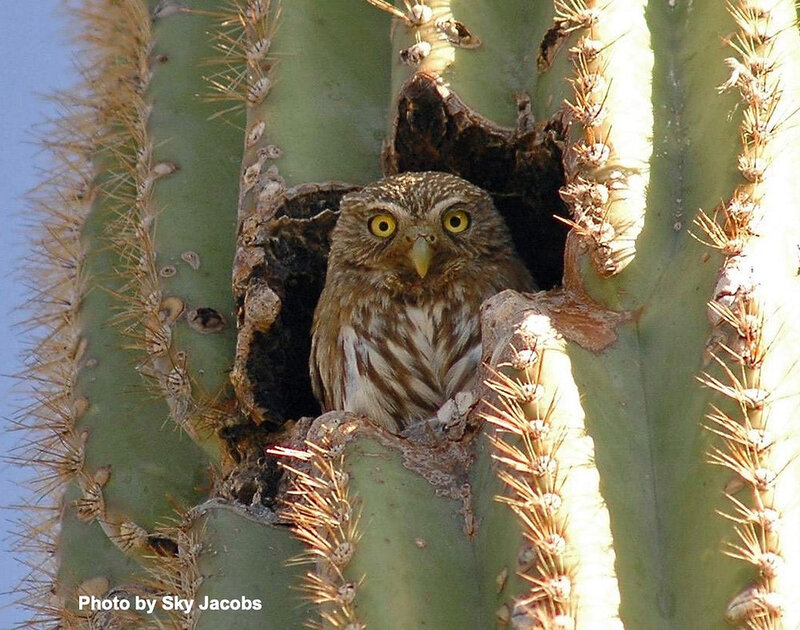
Building a nest inside a spiky cactus might sound crazy, but not for this tiny owl. It finds abandoned holes in saguaro cacti and settles in. Although protected from predators, these owls are highly endangered, with very few remaining in the U.S. Their unusual choice of habitat and environmental threats make them a rare sight in the wild.
5. Sociable Weaver – The Bird Condo Complex
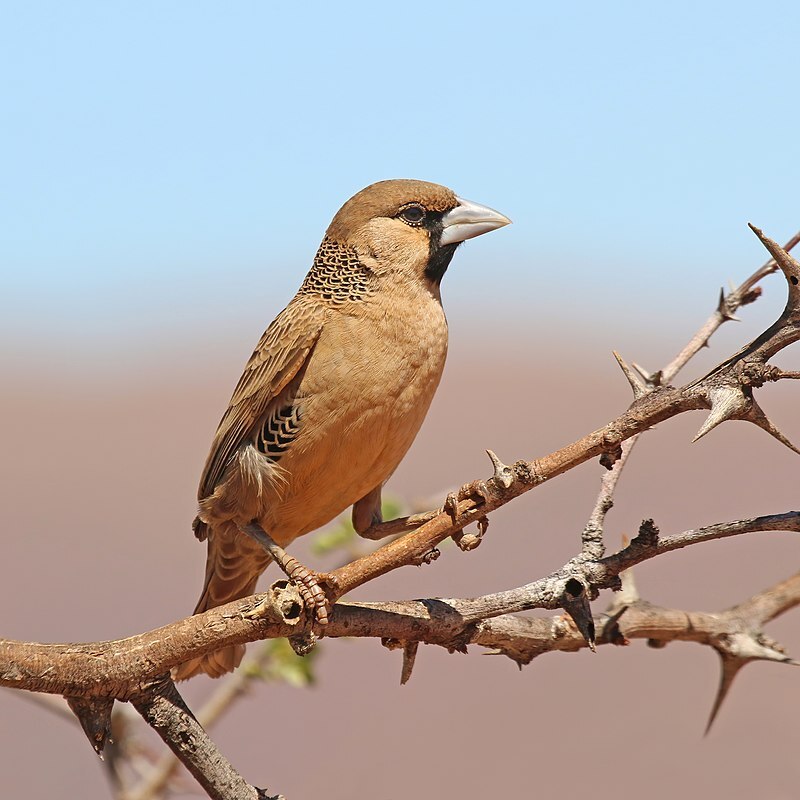
The sociable weaver of southern Africa doesn’t just build a nest—it constructs an entire apartment block! With space for over 100 pairs, these nests are multi-generational homes, complete with built-in ventilation and insulation. They’re reused for decades, housing everything from lovebirds to falcons. However, they’re still vulnerable—up to 75% of eggs are lost to predators like snakes.

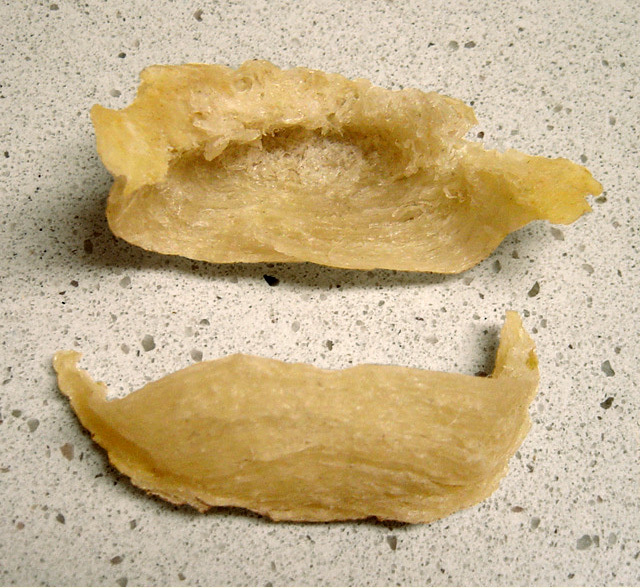
6. Edible-Nest Swiftlet – Saliva-Based Nests Worth a Fortune
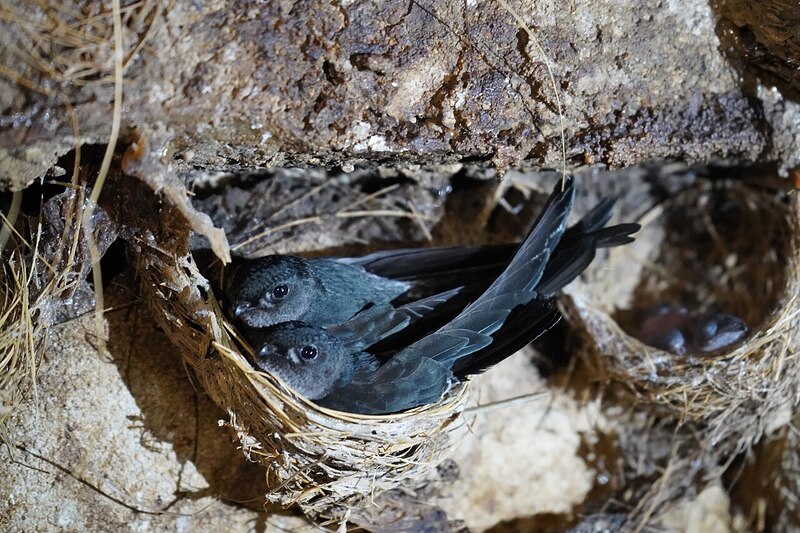
Native to Southeast Asia, this bird builds its nest entirely from its hardened saliva. These nests cling to cave walls or specially built "bird hotels" and are harvested to make bird's nest soup—an expensive delicacy in some Asian cultures. Valued for its supposed health benefits, this gelatinous bowl is nature’s bizarre contribution to fine dining.
7. Bowerbird – The Designer of the Bird World
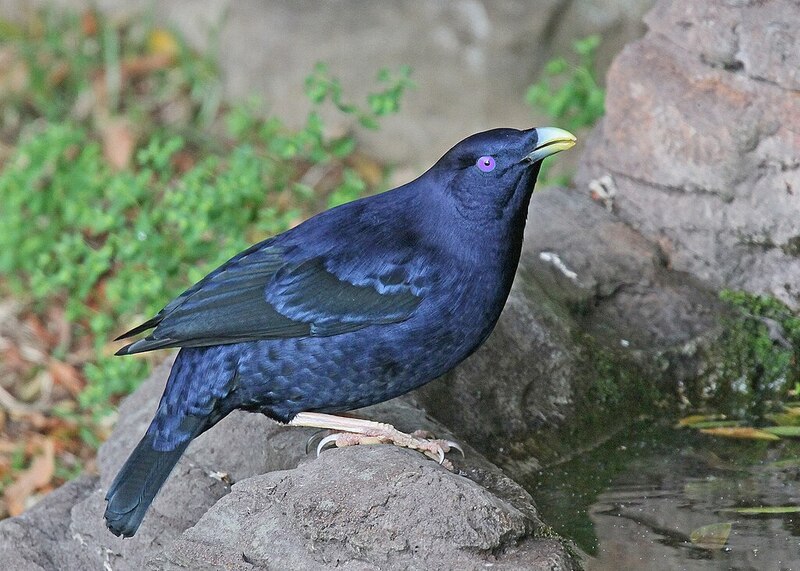
Satin Bowerbird in Lamington National Park, Queensland, Australia.
If birds had home design shows, the bowerbird would be the breakout star. Male bowerbirds build and decorate their nests—or “bowers”—with anything colorful they can find: berries, feathers, coins, plastic, even rifle shells. Females inspect each creation like real estate judges, and only the most stylish bachelor wins a mate.

8. Ovenbird – Clay Domes That Look Like Pots
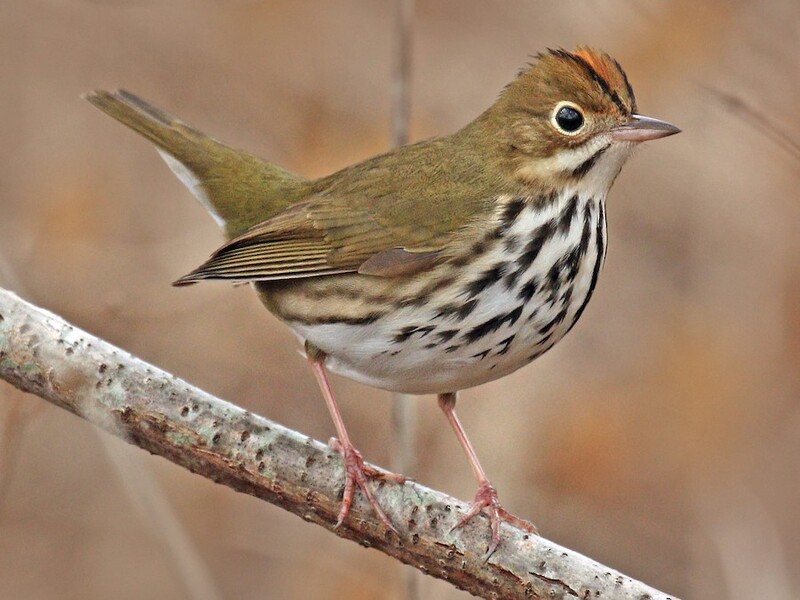
Named for their pot-like nests, ovenbirds create sturdy clay domes over the course of weeks. The red ovenbird thrives in human environments and often builds on man-made structures. Once abandoned, their nests are reused by other species—nature’s version of long-lasting architecture with excellent ROI.
9. Penduline Tit – Expert Weavers with a Hidden Entrance
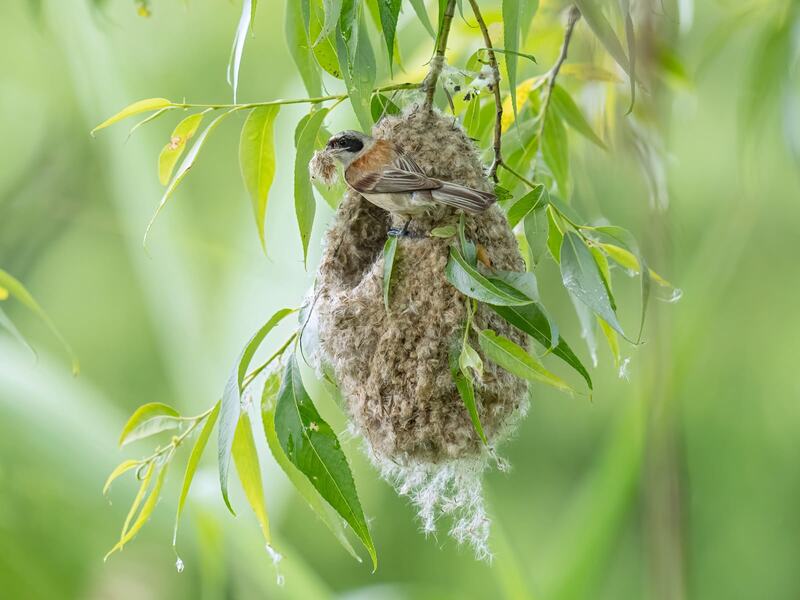
The penduline tit’s nest is a masterpiece of weaving. Using animal hair, spider silk, and plant fibers, they create hanging nests with fake entrances to fool predators. Historically, humans have even used these nests as handbags or slippers due to their softness and strength.
10. Bee-Eater – Cliff-Dwelling Diggers
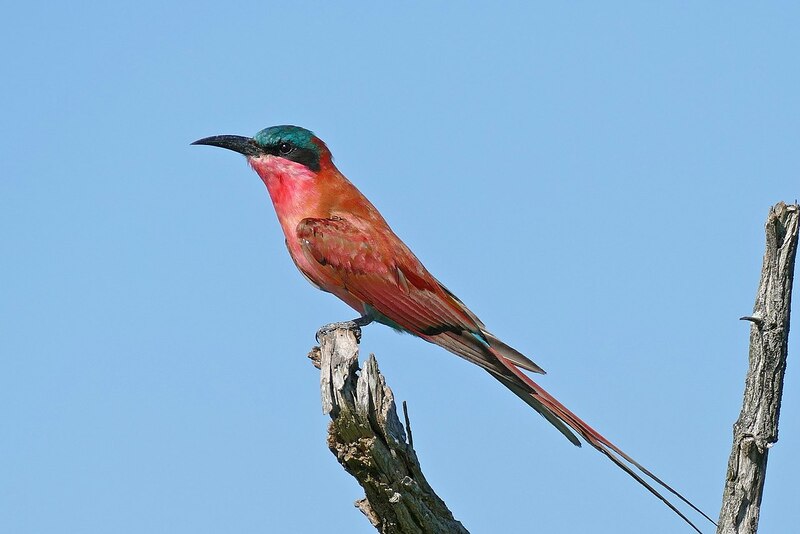
Southern Scarlet Bee-eater
Bee-eaters dig long tunnels into cliffs or sandy banks to lay their eggs. It’s a team effort, with pairs jabbing into hard surfaces and kicking out the dirt. Colonies can contain thousands of nests, which often get reused by snakes, bats, and other animals after the chicks fledge. It’s noisy, messy, and amazing.
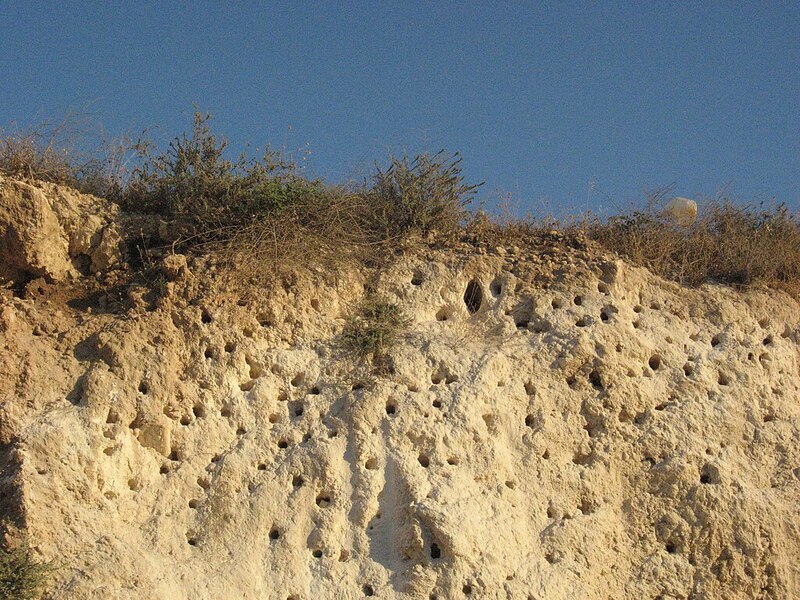
Hummingbird nesting cliffs in Modi'in, Israel
11. Southern Masked Weaver – Grass Strip Artisans
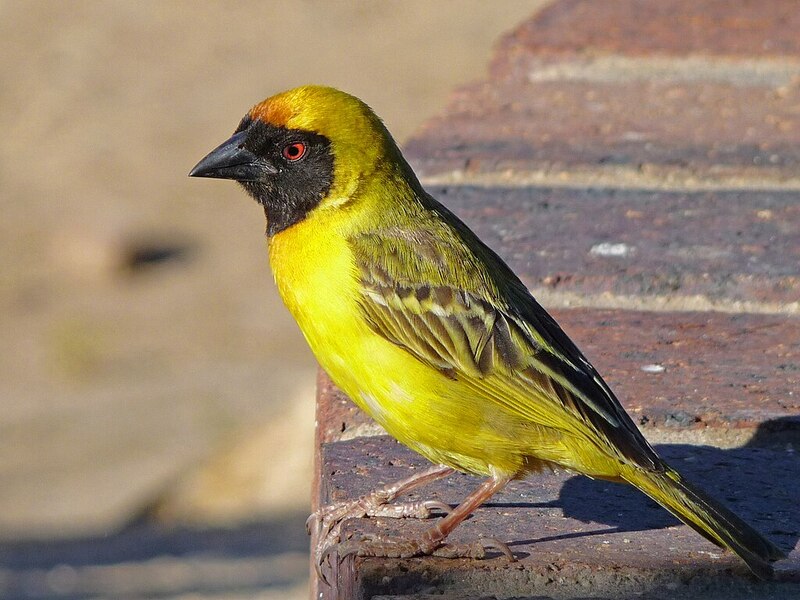
Black-fronted Weaverbird (Ploceus velatus). Photo taken in Augrabies Falls National Park, South Africa.
These birds are the weavers of the wild. Males use grass strips to craft hanging nests in just 9–14 hours, building up to 25 per season. If a female approves, he adds a tunnel entrance and she softens the interior with feathers. If not? He tears it down and starts over. Commitment to craftsmanship pays off in love!
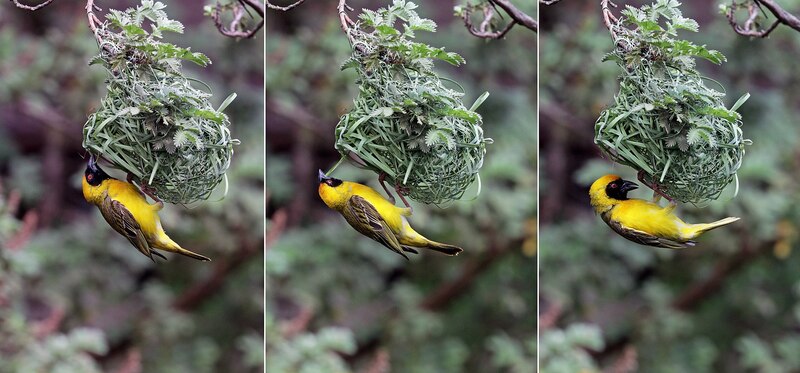
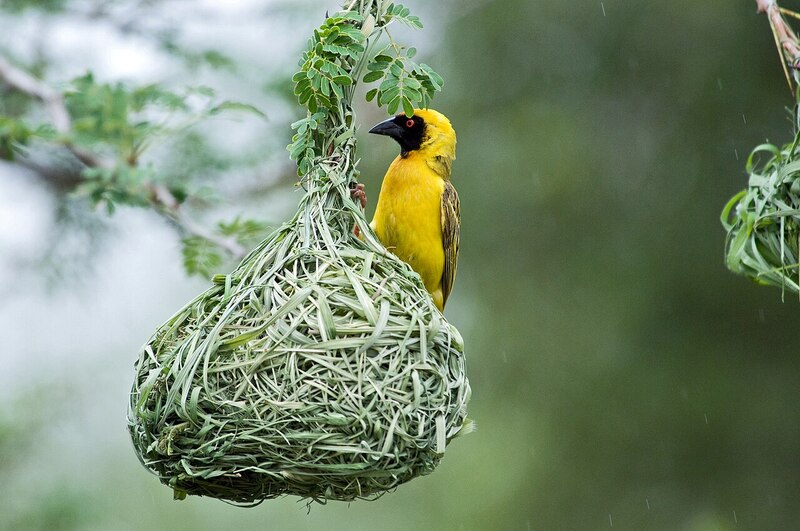
Birds don’t just build nests—they build homes, palaces, and even cities. From floating pads to cactus condos, their ingenuity is unmatched. Which nest amazed you the most? Share your thoughts—and stay tuned for more incredible animal stories!
Why Do Birds Build Such Different Nests?
Birds do not all build nests the same way because they do not face the same problems. A nest is not just a place to lay eggs. It is a survival tool. Different species must deal with different predators, climates, landscapes, and breeding habits, so their nests evolve in very different directions.
One of the biggest reasons is protection from predators. Birds that nest in trees may hang their nests from thin branches so snakes, monkeys, and other climbers have a harder time reaching them. Birds that nest in cavities, cactus holes, or underground tunnels use enclosed spaces to keep eggs and chicks out of sight. In many cases, the safest nest is not the prettiest one, but the one that is hardest to find or enter.
Another major factor is weather and temperature. Birds living in deserts, grasslands, wetlands, or cold regions all face different environmental pressures. Some nests are built to stay cool in strong sun, while others are designed to hold warmth during cold nights. Communal nests, dome nests, and mud nests can all help regulate temperature. In harsh habitats, good insulation can mean the difference between successful breeding and total failure.
Available building materials also shape nest design. A bird can only build with what it can find and carry. Some species use grass, twigs, reeds, feathers, mud, or leaves. Others use unusual materials such as spider silk or saliva. This is why nests can look so different even when they serve the same basic purpose. A bird nesting in a forest has very different options from one nesting on a riverbank or inside a cave.
Nest shape is also linked to where a bird lives and feeds. Water birds may build floating nests that rise with changing water levels. Birds in open landscapes may build concealed ground nests that blend into their surroundings. Colony-nesting birds often build close together because there is safety in numbers, while more solitary species may spread out to reduce competition.
In some species, nests also play a role in mate choice and breeding strategy. A well-built nest can signal that a bird is healthy, skilled, and capable of raising chicks successfully. In species such as weavers, nest quality may influence whether a mate accepts the site. In other birds, the nest is designed less to impress and more to maximize chick survival.
So when people search for birds with amazing nests or birds that build the coolest nests, the real answer is this: bird nests are different because birds are solving different survival problems. What looks beautiful to us often started as a practical solution to danger, climate, or competition.
FAQ About Birds With Amazing Nests
Which bird builds the most amazing nest?
There is no single correct answer, because different birds are amazing for different reasons. The sociable weaver builds one of the largest communal nests in the world, the tailorbird creates a nest by stitching leaves together, and the malleefowl builds a huge incubation mound that works almost like a natural compost heater. If you are looking for the most unusual engineering, these species are often among the top examples.
Which bird builds the most beautiful nest?
Beauty is subjective, but many people consider the hanging woven nests of weaver birds and oropendolas to be among the most beautiful bird nests. Their nests are elegant, intricate, and visually striking, yet they are also highly functional. In many cases, what humans find beautiful is actually the result of smart design for safety and shelter.
Which bird builds the largest nest?
The sociable weaver is famous for building enormous communal nests that can house many pairs at once and remain in use for years. If you mean a nest built by one breeding group rather than a single pair, it is one of the most impressive examples in the bird world. Some birds of prey also build very large stick nests, but sociable weaver colonies are especially remarkable because of their scale and complexity.
Which bird builds a floating nest?
The African jacana is one of the best-known examples. It builds a nest on floating vegetation in wetlands, allowing the nest to move with the water rather than being fixed in one place. This is a clever adaptation for life in marshy habitats where water levels can shift.
Which bird uses saliva to build its nest?
The edible-nest swiftlet is the classic example. It builds a cup-like nest largely from hardened saliva attached to cave walls or other vertical surfaces. This unusual material helps the nest stay secure where grass or twigs would be difficult to anchor.
Which bird sews leaves together to make a nest?
The tailorbird is famous for this behavior. It uses plant fibers or similar materials to stitch the edges of leaves together, forming a pouch or cradle for the nest inside. This nest style helps with camouflage and gives the bird a protected place to raise its young.
Why do some birds build hanging nests?
Hanging nests can make it more difficult for predators to reach the eggs and chicks. They may also provide better drainage in wet weather and help create a safer nesting chamber in exposed habitats. Birds such as weavers and oropendolas show how a suspended nest can combine protection with efficient use of branches and plant fibers.
Why do some birds build nests on the ground?
Ground nests may seem risky, but they can work well when a bird relies on camouflage, open visibility, or a habitat with few climbing predators. Some species also use scrapes, mounds, or hidden vegetation to reduce detection. Ground nesting is often a trade-off between concealment, convenience, and available habitat.
Do birds reuse the same nest every year?
Some do, but many do not. A few species repair and reuse old nests, especially large stick nests or long-lasting communal nests. Others build a fresh nest each breeding season because old nests may be damaged, parasite-filled, or no longer safe. Whether a bird reuses a nest depends on species, nest type, and habitat conditions.
What makes bird nests so different from each other?
Bird nests differ because birds live in very different environments and face different survival challenges. Predators, temperature, rainfall, wind, nesting location, and available materials all influence nest design. In simple terms, bird nests look different because each species is solving a different problem.