New Wild Cat Species Discovered in Bolivia: Meet the Tilcayo
Meet Leopardus tilcayo, a newly described wild cat from Bolivia’s Yungas cloud forest. Learn its size, appearance, discovery, habitat and conservation concerns.
Read article →A public- and classroom-ready encyclopedia of endangered species—ID tips, ecology, threat checklists, lesson materials, and simple actions for individuals and communities.
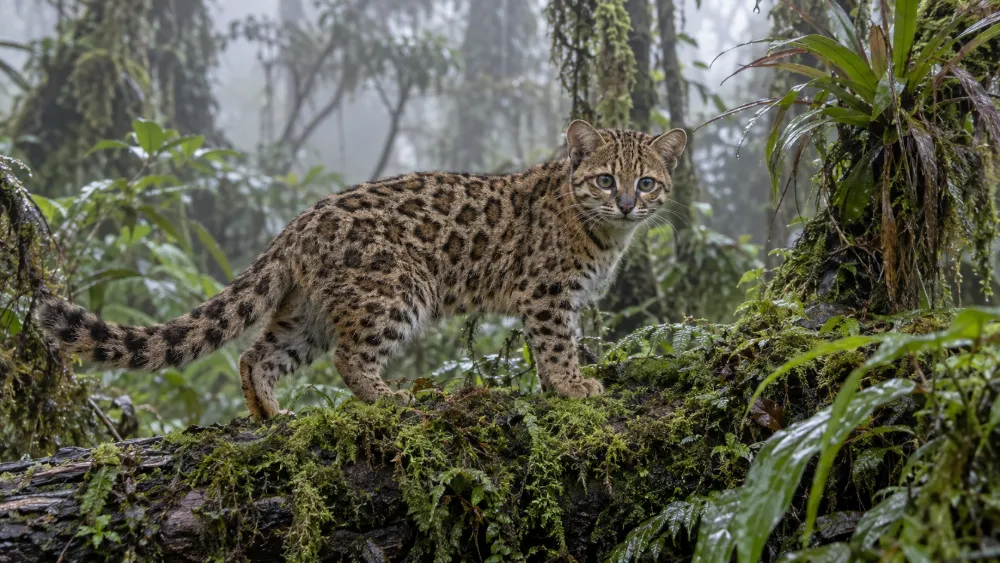
Meet Leopardus tilcayo, a newly described wild cat from Bolivia’s Yungas cloud forest. Learn its size, appearance, discovery, habitat and conservation concerns.
Read article →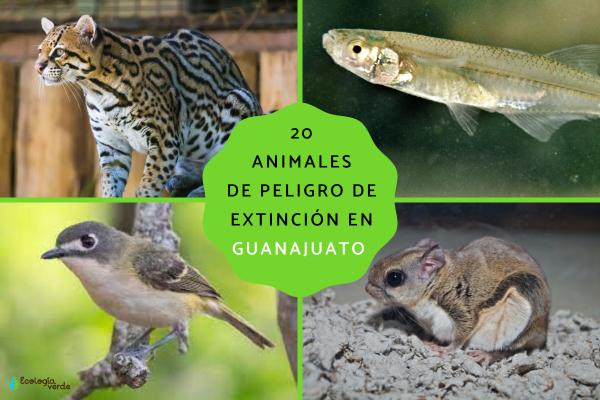
Meet 20 endangered and protected animals in Guanajuato, from jaguars and ocelots to rare wetland birds, bats, reptiles and threatened native fish.
Read article →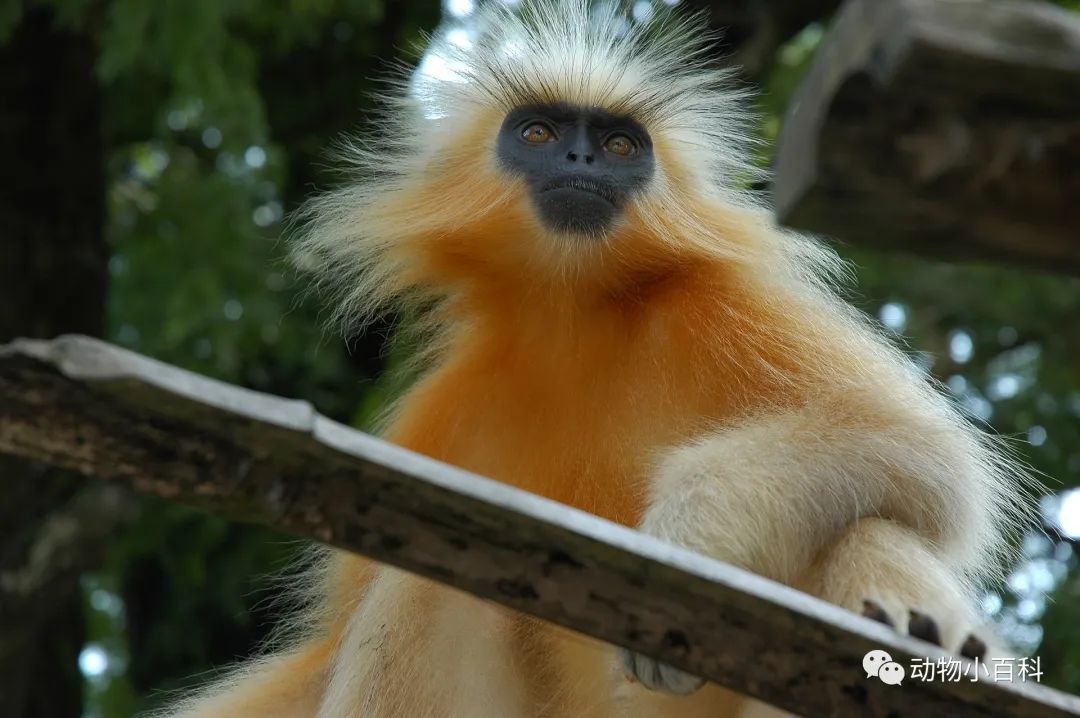
Discover 10 of the rarest monkeys in the world, including Roloway monkeys, red colobus, rare langurs and snub-nosed monkeys, with conservation status and threats.
Read article →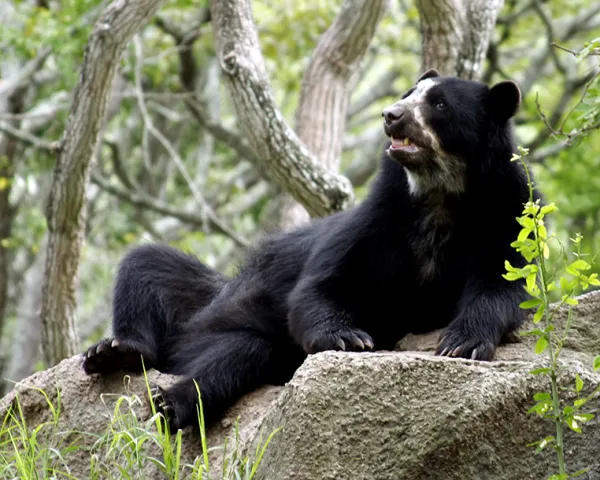
Discover 20 endangered and threatened animals of Peru, including Andean bears, rare primates, river dolphins, frogs, birds and marine species, with current conservation status and threats.
Read article →
TL;DR: Overfishing is the #1 driver pushing many marine fish toward extinction, especially slow-growing, late-maturing species. Habitat loss, dams, bycatch, pollution, and climate change make things worse. Real fixes inc···
Read article →
One-sentence take: “Charismatic megafauna” (aka flagship species) are large, highly appealing animals—think giant pandas, lions, tigers, gorillas, elephants, dolphins, penguins, otters—used as public ambassadors to m···
Read article →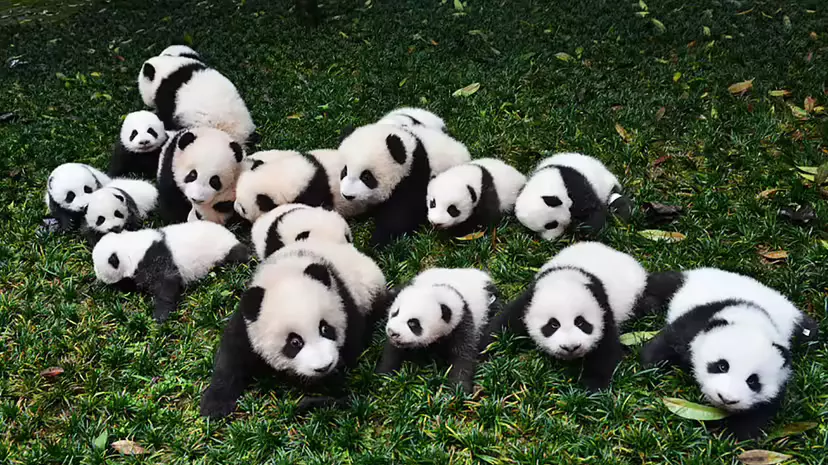
Bottom line: Giant pandas (Ailuropoda melanoleuca) were downlisted from Endangered → Vulnerable in 2016 after decades of protection and habitat gains—but risks remain. Habitat fragmentation, infrastructure, and livesto···
Read article →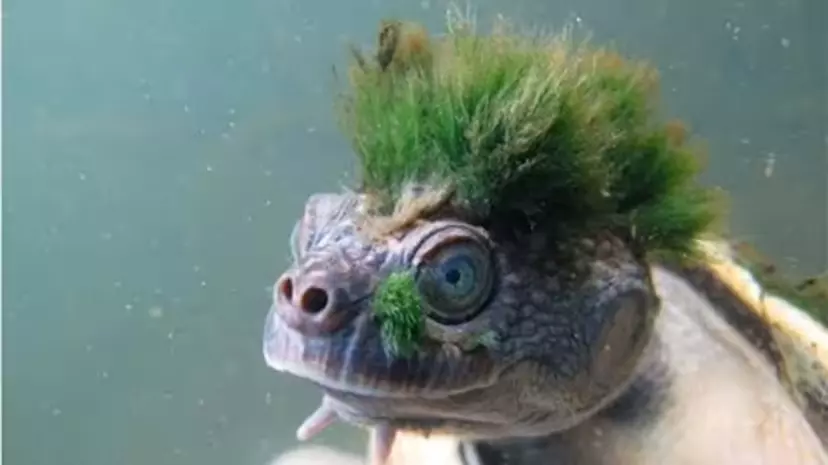
Common name: Mary River turtleScientific name: Elusor macrurusRange: Mary River catchment, Queensland, Australia (very small native range)Status: Listed on ZSL’s first EDGE Reptiles list (Evolutionarily Distinct & G···
Read article →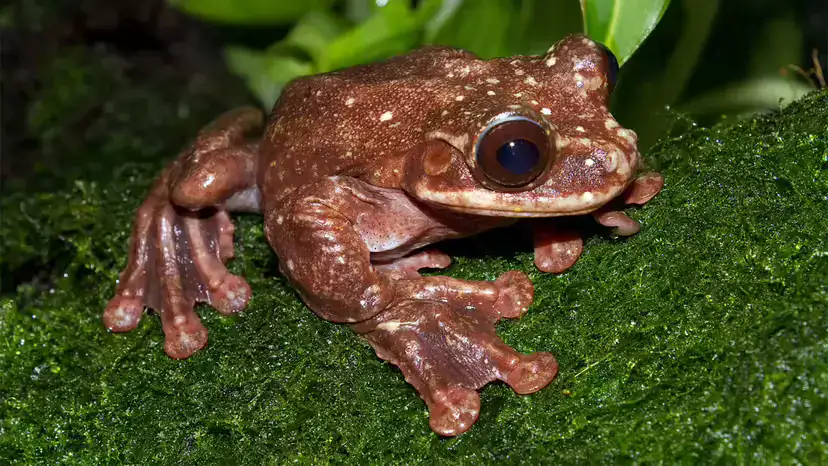
Bottom line: Since ~1970 the world has lost ~200 frog species. Frogs survived the dinosaur-ending K–Pg extinction, yet today multiple stacked pressures—habitat loss and fragmentation, disease (chytrid fungi), hydrologi···
Read article →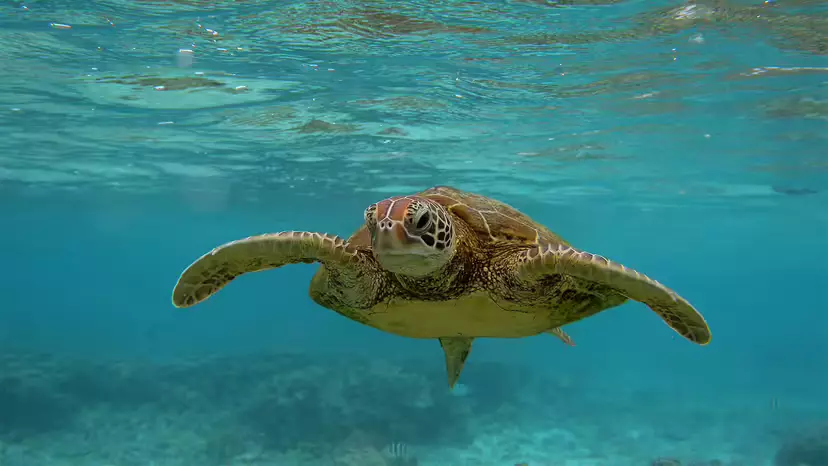
In one line: Since the U.S. Endangered Species Act (ESA) took effect in 1973, most protected marine mammals and sea turtles have grown substantially—with sea turtle populations up by an estimated ~980% overall in analyz···
Read article →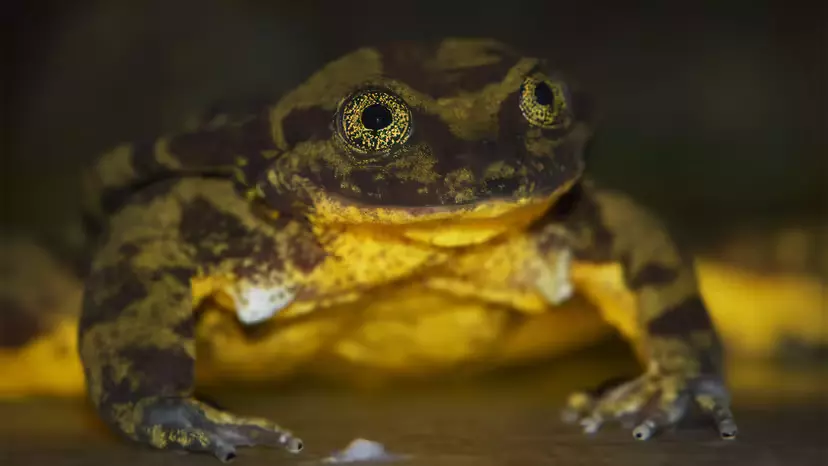
Headline factsThe protagonist is the Sehuencas water frog (Telmatobius yuracare), a Bolivian stream frog once feared down to a single captive male nicknamed Romeo.In January 2019, researchers found five wild frogs (2 fem···
Read article →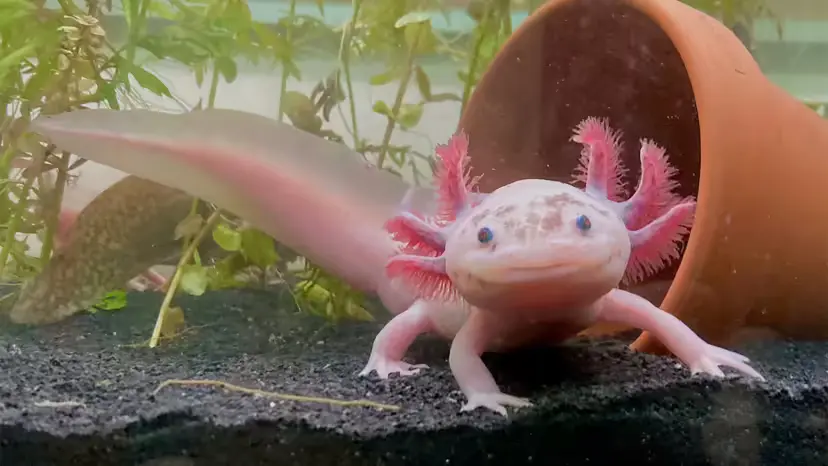
Common names: Axolotl, Mexican axolotl (often miscalled “Mexican walking fish”)Scientific name: Ambystoma mexicanumGroup: Amphibia → Caudata (salamanders)Wild stronghold: Lake Xochimilco wetland–canal system, souther···
Read article →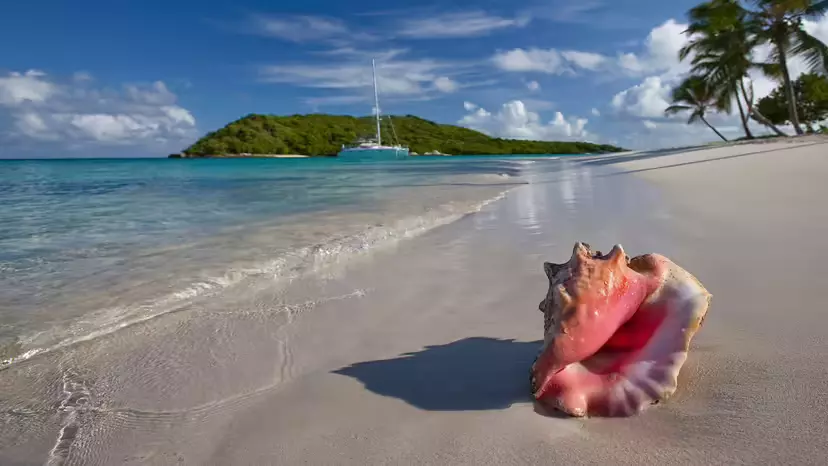
Common names: Queen conch, pink conchScientific name: Lobatus gigas (formerly Strombus gigas)Type: Marine gastropod (sea snail)Range: Tropical western Atlantic—Bahamas, Bermuda, Florida Keys (US), U.S. Virgin Islands, G···
Read article →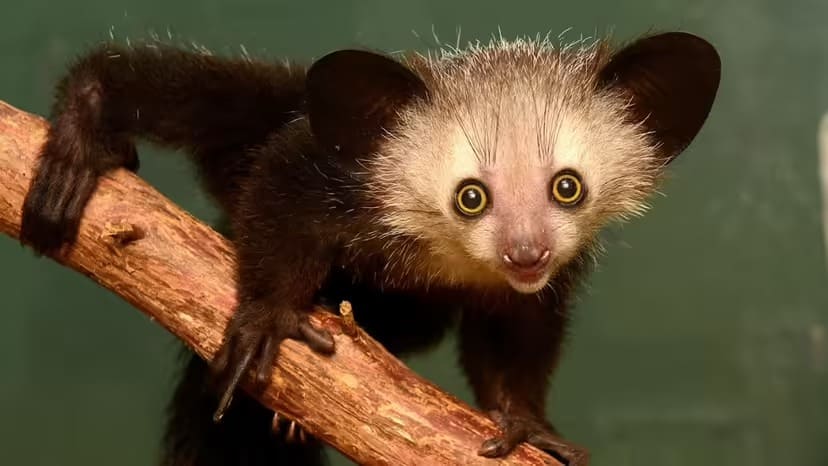
Common name: Aye-ayeScientific name: Daubentonia madagascariensisOrder: Primates → Strepsirrhines (lemur lineage)Size: Body 12–16 in (30–40 cm); tail 18–22 in (45–55 cm); 5–6 lb (2.3–2.7 kg)Activity: Nocturnal, ar···
Read article →
At a glanceLazarus species are organisms presumed extinct that are later rediscovered (e.g., coelacanth, takahē).They often “vanish” because they’re cryptic, live in hard-to-reach habitats, or were simply under-surve···
Read article →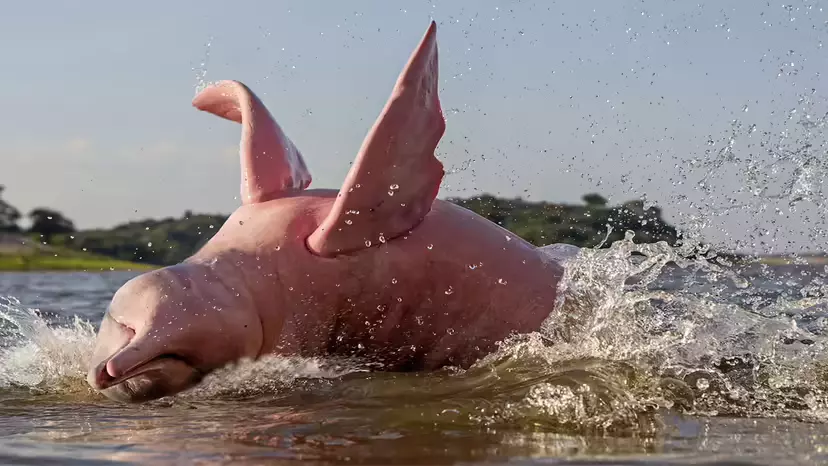
Scientific name: Inia geoffrensisAlso called: Amazon river dolphin, boto, pink river dolphinSize: Up to ~2.4 m (8 ft) and ~200+ kg (450 lb)Range: Amazon–Orinoco basins (Brazil, Peru, Colombia, Ecuador, Venezuela, Bolivi···
Read article →
At a glanceIcons like the African forest elephant, Tapanuli orangutan, and vaquita are among the most imperiled, squeezed by habitat loss, poaching/bycatch, disease, and tiny population size.Not all news is bad: targeted···
Read article →
Scientific name: Python reticulatusAlso called: Retic, reticulated pythonRange: South & Southeast Asia (e.g., Indonesia, Philippines, Malaysia, Vietnam, Borneo, Nicobar Islands)Typical length: 10–20 ft (3–6 m); ext···
Read article →
Scientific name: Lycaon pictus (monotypic genus Lycaon)Common names: African wild dog, painted wolf, Cape hunting dogFamily: Canidae (dog family)IUCN status: EndangeredShoulder height: ~60–75 cm (24–30 in)Weight: ~16–···
Read article →
Genus/Family: Squatina / Squatinidae (angel sharks)Common names: Angel shark, Sand devilTypical size: ~1.5 m (about 5 ft); some species to ~2 m (6.5 ft)Build: Broad, flattened body; very wide pectoral fins; lower tail lo···
Read article →
Scientific name: Arctictis binturongCommon names: Binturong, BearcatOrder / Family: Carnivora / Viverridae (the civet family)IUCN status: VulnerableBody length: 60–96 cm (24–38 in)Tail length: 55–90 cm (22–35 in), fu···
Read article →
Key TakeawaysCritically endangered: Fewer than 6,500 black rhinos remain due to poaching and habitat loss.Hook-lipped browser: A prehensile upper lip lets them pluck twigs, leaves, and fruit from shrubs and small trees.C···
Read article →
Key TakeawaysWorld’s biggest animal: Up to ~110 ft (33.5 m) and ~330,000 lb (150 t).Filter-feeder: Specializes in krill, using baleen plates and expandable throat pleats to engulf prey-rich water.Long-lived & far-ra···
Read article →
Key TakeawaysBiggest gorilla by body mass; endemic to the eastern Democratic Republic of the Congo (DRC), mainly lowland and sub-montane rainforest.Status: Critically Endangered with fewer than ~5,000 left; numbers have ···
Read article →