Gray squirrels, prominent tree-dwelling rodents found across North America, exhibit intriguing nesting behaviors that reflect their adaptability and survival strategies. Understanding their nesting habits provides insight into their ecological role and reproductive cycles.
Nesting Habits of Gray Squirrels
| Aspect | Details |
|---|---|
| Species | Eastern and Western gray squirrels |
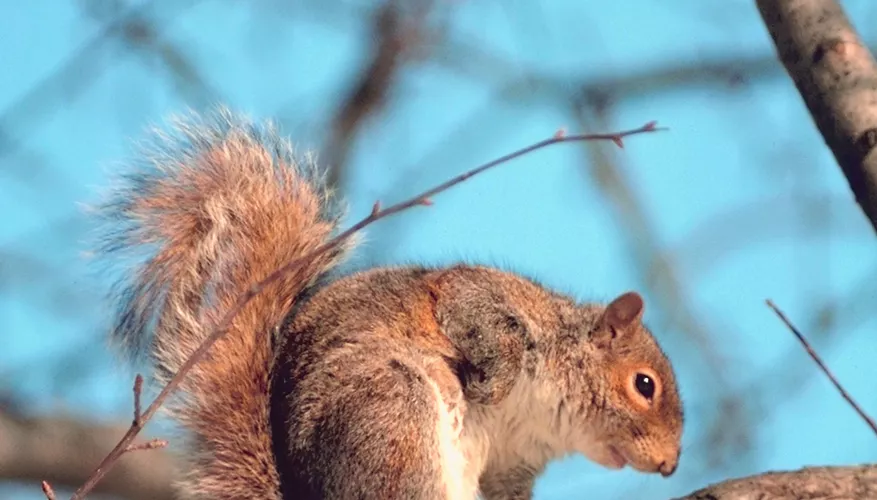
| Nesting Sites | Leaf nests ("dreys") and tree dens |
| Construction | Built from branches, lined with grass, moss, leaves, and pine needles |
| Usage | Leaf nests for summer, dens for year-round shelter, especially in winter |
| Location | Up to 30 feet above ground, often in tree forks or hollow trunks |
| Population Density Impact | Rotates between up to three nests depending on area density |
Habitat and Diet
Gray squirrels thrive in forests abundant with hardwood trees or coniferous regions, depending on the subspecies. These environments provide essential food sources such as acorns, hickory nuts, beechnuts, and pinecones. Their home ranges, which can span one to eight acres, often overlap with those of other squirrels, illustrating their territorial nature.
Breeding Patterns
| Subspecies | Breeding Seasons |
|---|---|
| Eastern Gray Squirrel | Twice a year: summer and winter |
| Western Gray Squirrel | Once a year: summer only |
These breeding patterns dictate much of their nesting behavior, with females seeking secure locations to raise their young.
Construction and Maintenance of Nests
Gray squirrels are adept builders, creating leaf nests by weaving small branches and lining them with natural materials for comfort and insulation. They build these nests high in trees to evade predators. However, these nests are temporary shelters due to risks from predators and parasites, prompting squirrels to maintain multiple nests within their territory.
Tree Dens
Tree dens provide a more stable and protective environment than leaf nests, especially crucial during the winter months. These dens are often reused or modified by the squirrels over time. The strategic location and construction of tree dens significantly enhance the survival rates of the litters born within them.
Ecological Impact and Observational Notes
Gray squirrels' nesting behaviors not only reflect their adaptability but also impact forest ecology through the dispersal of seeds and nuts. Observing these creatures can provide further understanding of their role in maintaining healthy forest ecosystems. Moreover, their interaction with their habitat offers valuable lessons in wildlife conservation and biodiversity.