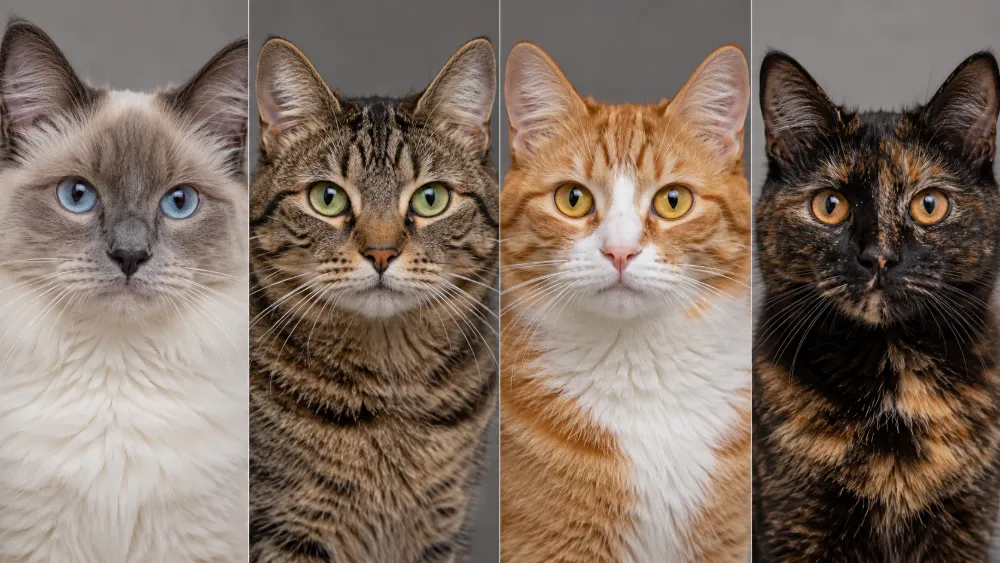
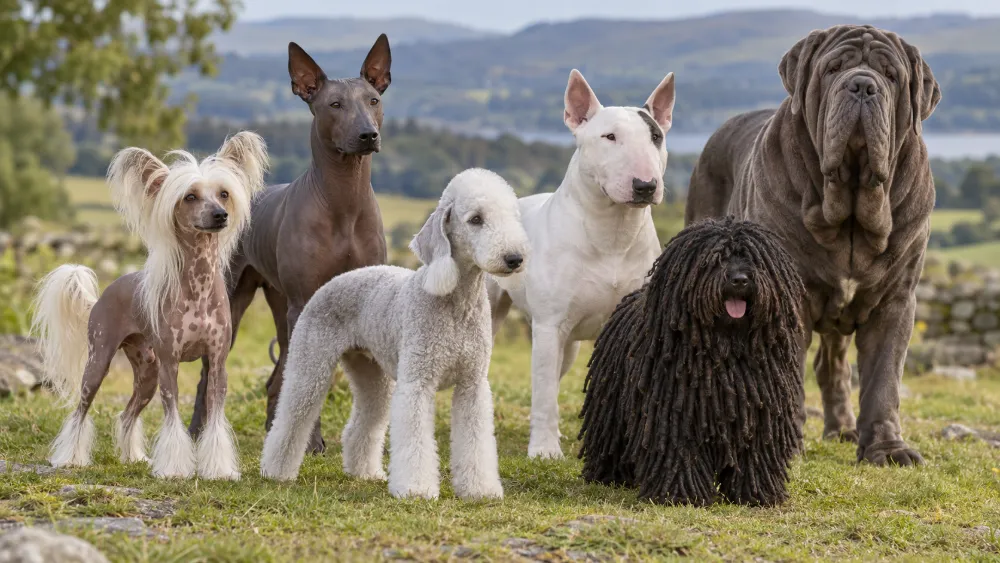
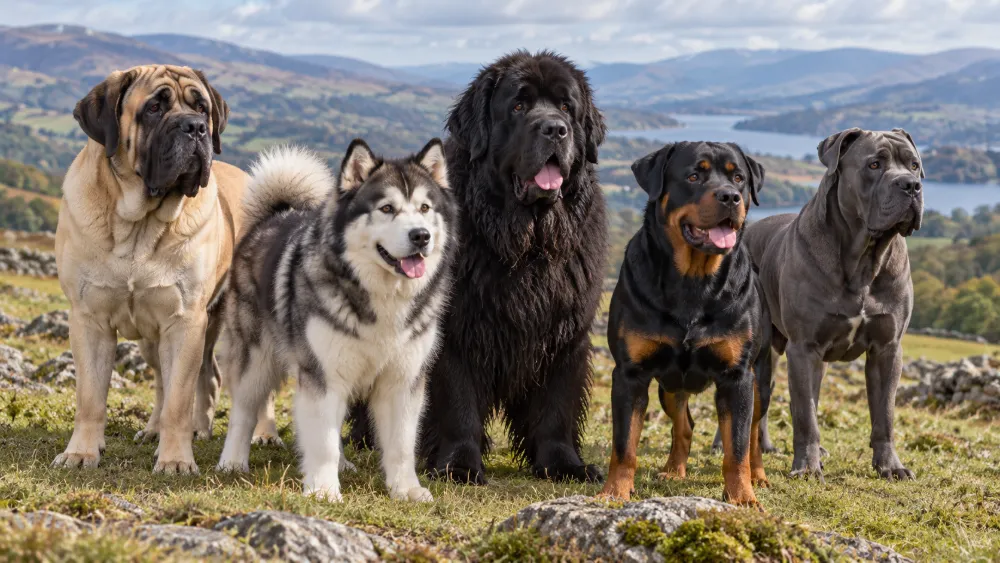
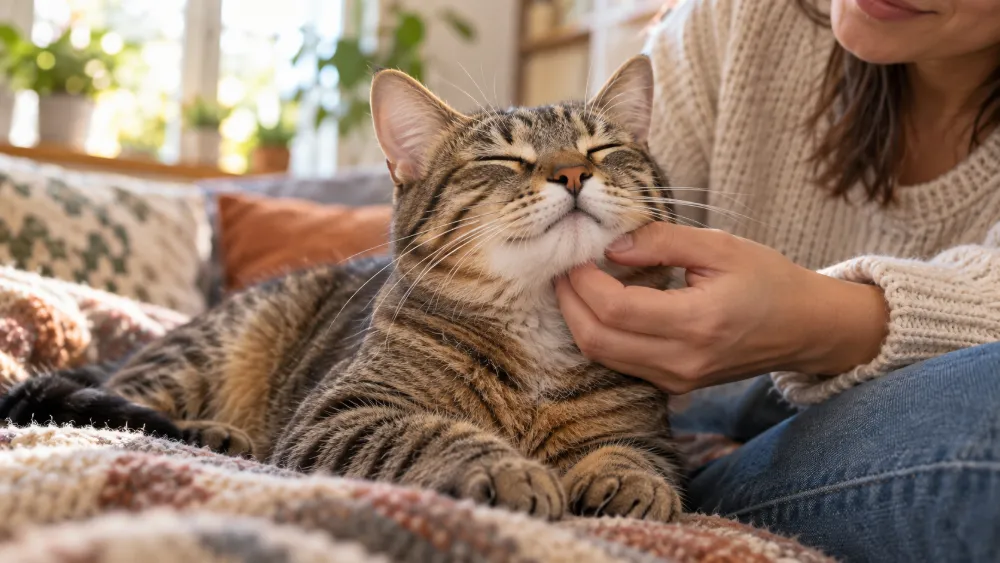
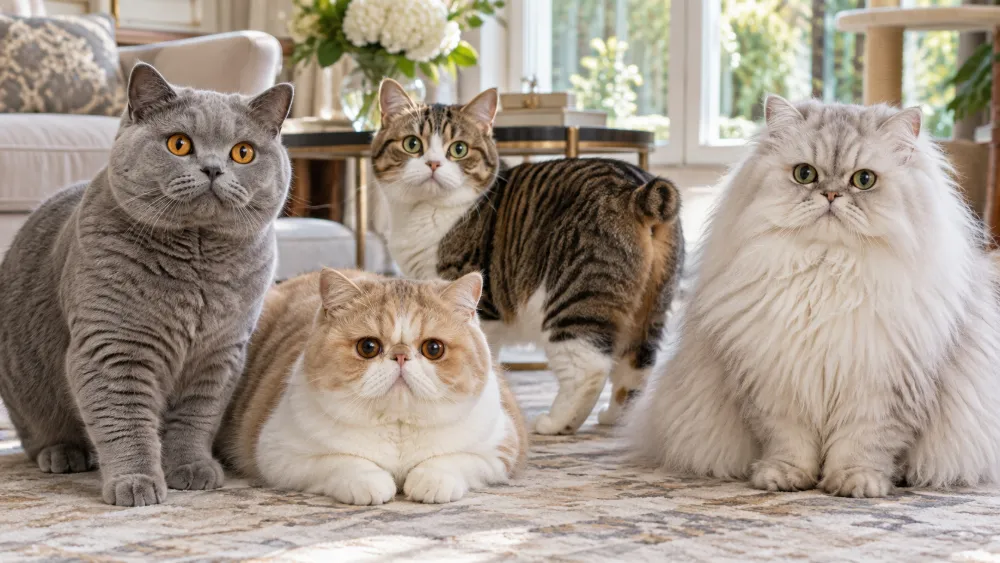
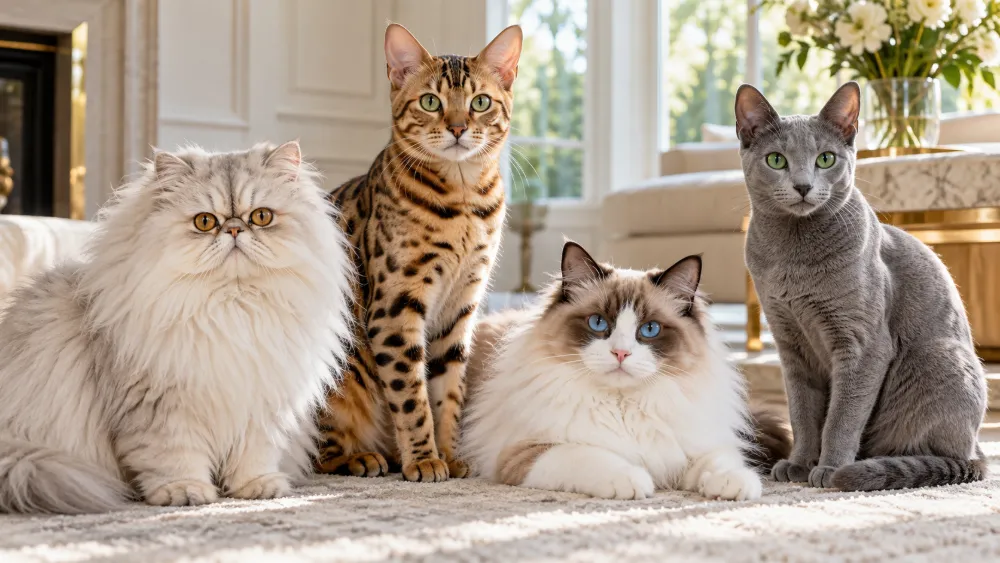
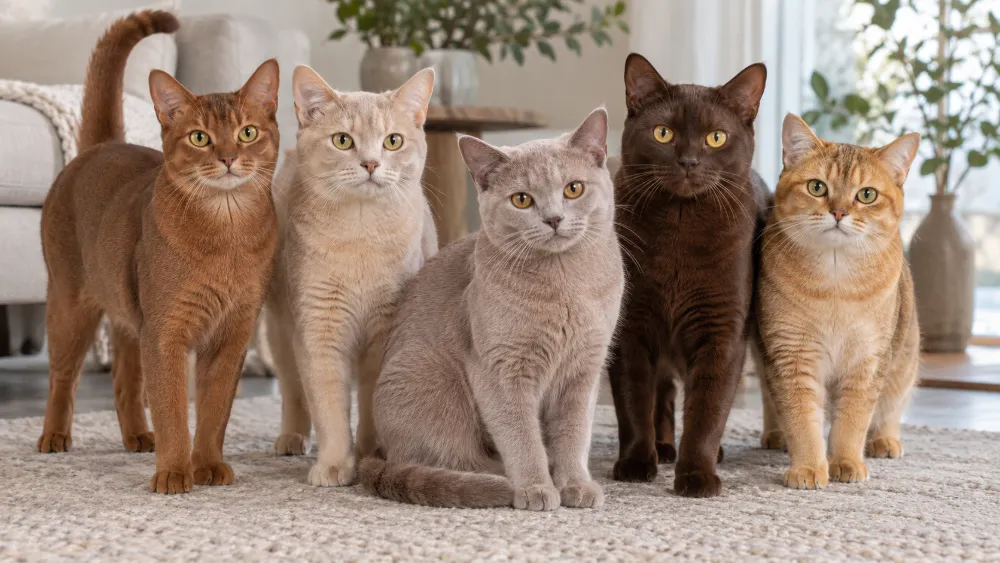
Some of the most clingy pets are people-oriented dogs and cats, while other highly social animals—such as ferrets, guinea pigs, sugar gliders and cockatiels—can also form strong bonds with familiar carers. However, “clingy” is not a scientific personality category, and the most affectionate animal is not automatically the easiest pet. Individual temperament, socialization, daily schedule, housing, veterinary access and species-specific companionship all matter.
If you are searching for clingy pets, clingy animals or clingy creatures, focus on healthy social bonding rather than dependence. A good companion animal can enjoy being close to people while still eating, resting, playing and coping appropriately when constant attention is unavailable.
10 Most Clingy Pets at a Glance
| Pet | Typical bonding style | Attention needs | Beginner fit | Main thing to know |
|---|---|---|---|---|
| Ragdoll Cat | Often follows people and enjoys calm contact | Moderate | Good | Needs grooming, play and choice over handling |
| Bichon Frise | Highly social companion dog | High | Good | May dislike long periods alone; coat care is significant |
| Old English Sheepdog | Family-oriented and people-focused | High | Moderate | Large dog with major grooming and exercise needs |
| Bombay Cat | Interactive and often strongly attached to family | Moderate to high | Good | Needs play, climbing and social interaction |
| Miniature Pinscher | Alert, energetic and closely involved with owners | High | Moderate | Needs training, exercise and supervision |
| Domestic Ferret | Playful, curious and interactive | High | Moderate | Needs enrichment, secure housing and exotic-vet access |
| Sugar Glider | Very strong social bonds | Very high | Difficult | Nocturnal and should not be socially isolated |
| Chinchilla | Social but often prefers interaction to being held | Moderate | Moderate to difficult | Needs cool housing, chewing material and specialized care |
| Guinea Pig | Social, vocal and responsive to familiar people | Moderate | Good | Human attention does not replace another compatible guinea pig |
| Cockatiel | Can form close social bonds and seek frequent interaction | High | Moderate | Needs daily social time, enrichment and bird-safe housing |
Important: this is not a scientific ranking from most clingy to least clingy. It is a practical comparison of companion animals commonly known for social bonding, attention-seeking or a strong need for companionship.
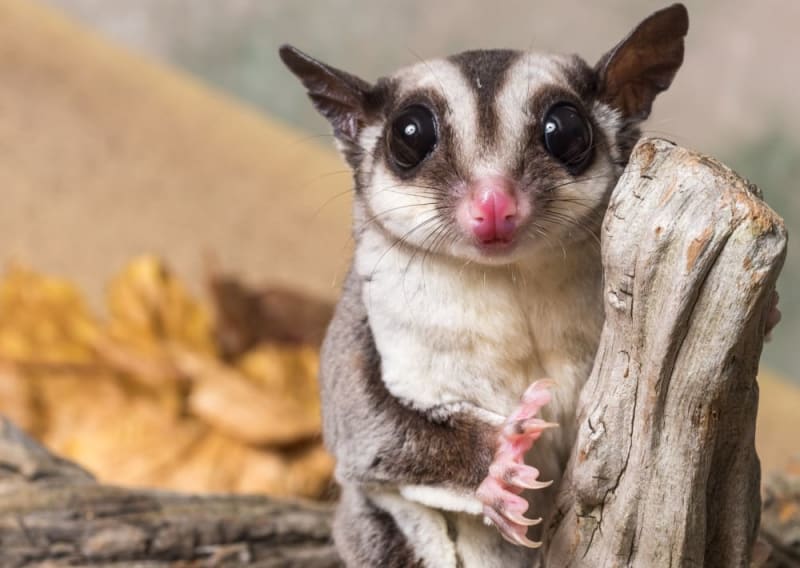
Some highly social pets form strong bonds, but social dependence can also make their care more demanding.
Ragdoll Cat
Ragdolls are often described as gentle, relaxed and people-oriented cats. Many enjoy staying near family members, following them from room to room, sitting beside them or joining quiet household activities. That makes the breed a strong match for people who want an affectionate cat without necessarily wanting an extremely high-energy pet.
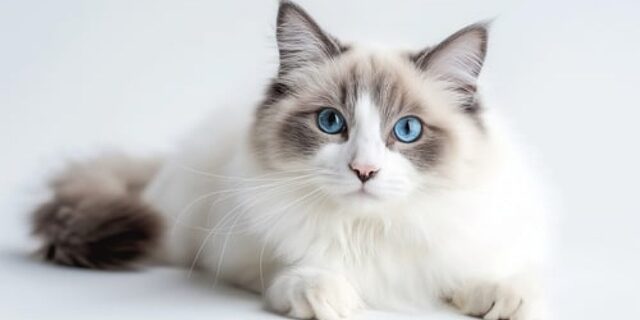
Individual cats still vary. A Ragdoll should have places to retreat, daily play and the freedom to choose when it wants physical contact. Its semi-long coat also means routine grooming is part of the commitment.
Bichon Frise
Bichon Frises were developed primarily as companion dogs, and many are highly social with their families. They often enjoy being involved in everyday activities and may seek frequent attention, play and physical closeness.
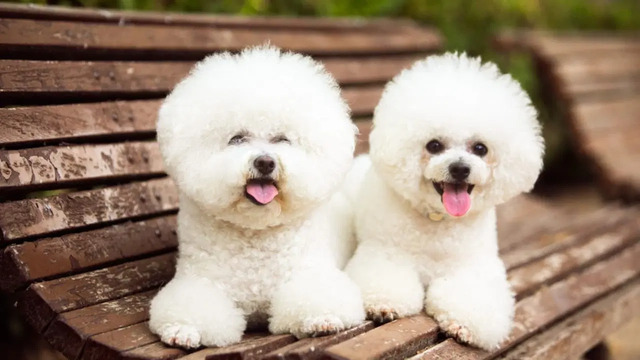
That people-focused temperament can also mean that some Bichons struggle when left alone for long periods. Teaching a dog to relax independently is just as important as giving it affection. Regular coat care is another major responsibility.
Old English Sheepdog
Old English Sheepdogs are large, active dogs that often form strong relationships with their households. They can be playful, social and eager to stay near family members, especially when they receive enough exercise and interaction.
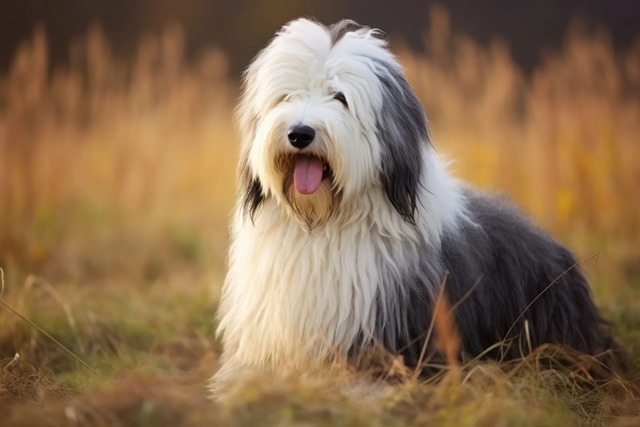
They are not a low-maintenance choice. Their size, exercise needs and dense coat mean that a people-focused personality comes with a substantial daily time commitment.
Bombay Cat
Bombay cats are commonly described as interactive and people-oriented. Many enjoy following family members, joining play sessions and settling near familiar people.
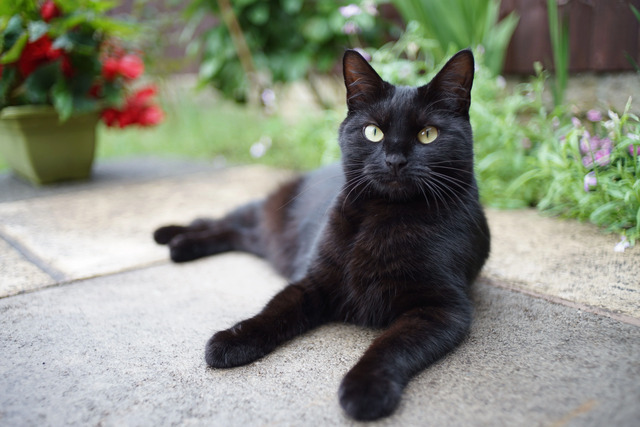
As with every breed, personality varies. Daily play, climbing opportunities and quiet resting areas help a social cat balance interaction with independence.
Miniature Pinscher
Miniature Pinschers are small, energetic companion dogs that often want to know what their people are doing and may follow them around the home.

They are lively rather than simply cuddly. Consistent training, exercise and mental stimulation help turn close attachment into a healthy companion relationship rather than frustration or unwanted behavior.
Domestic Ferret
Domestic ferrets are playful, curious companion animals that can develop strong bonds with familiar people. Positive daily handling, play and exploration help build that relationship, and many ferrets are also social with other compatible ferrets.
Ferrets are not mink. The older version of this topic sometimes used unclear labels such as “Angora mink,” but a normal pet ferret is a domesticated form of Mustela furo. Anyone considering one should research local laws, secure housing, diet, enrichment and access to a veterinarian experienced with ferrets.
Sugar Glider
Sugar gliders are highly social marsupials. Their strong need for companionship is one reason people sometimes describe them as clingy, but a human owner should not be assumed to replace normal social contact with other sugar gliders.
They are nocturnal and require specialized housing, diet and enrichment. Their social and husbandry needs make them much more demanding than a typical dog or cat and a poor impulse purchase.
Chinchilla
Chinchillas are social rodents, but “affectionate” does not always mean “likes to be held.” Many become comfortable with familiar people and enjoy interaction while preferring to approach voluntarily rather than being restrained.
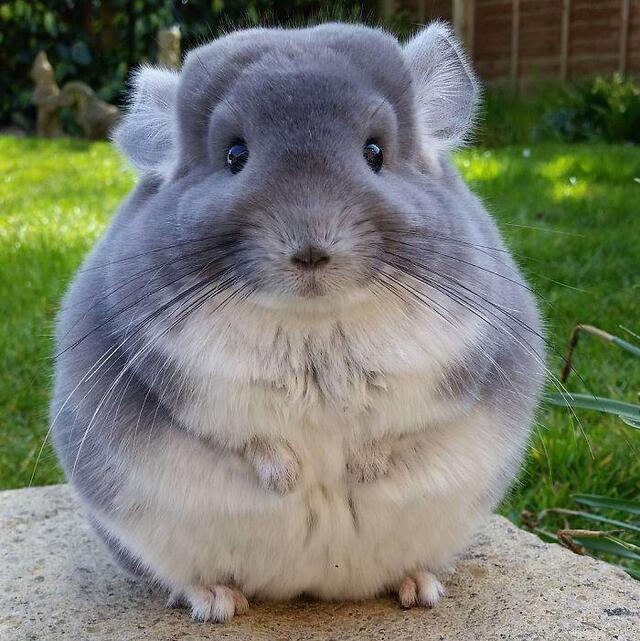
They also have specific welfare needs, including cool temperatures, high-fiber food, dust baths, appropriate chewing materials and regular opportunities for activity. Their long lifespan makes them a significant commitment.
Guinea Pig
Guinea pigs are highly social animals and can become very responsive to familiar people, especially around feeding and gentle handling. They may whistle, approach the enclosure edge or interact eagerly with trusted carers.
Human attention should not replace companionship from another compatible guinea pig where welfare guidance and local circumstances support pair or group housing. Their diet, housing and social needs should be planned before adoption.
Cockatiel
Cockatiels are social parrots that can form close bonds with familiar people. Well-socialized birds may seek attention, vocalize when a favored person leaves, sit nearby and participate in household routines.
That social intelligence also creates responsibility. Cockatiels need daily interaction, exercise, enrichment, appropriate sleep and bird-safe housing. Constant calling for attention can reflect boredom or social frustration rather than simply an “extra affectionate” personality.
What Is the Most Clingy Pet?
There is no universal winner. Attachment depends on species, breed, early socialization, individual personality and the home environment.
For many households, a people-oriented dog such as a Bichon Frise or an affectionate cat such as a Ragdoll is easier to live with than an exotic animal with complex social and housing needs. If your real goal is a pet that enjoys spending time with you, prioritize compatibility rather than the strongest possible dependence.
What Are the Most Clingy Animals to Humans?
Among common companion animals, dogs, cats, ferrets, parrots and some social small mammals can develop very close relationships with familiar people. However, the phrase “clingy animals” mixes several different behaviors: following, requesting contact, vocalizing, social dependence and distress when separated are not the same thing.
For that reason, an animal that follows a person everywhere is not automatically more affectionate than one that rests independently but regularly seeks calm social contact.
Why Are Some Pets So Clingy?
A pet may stay close to people because of normal social behavior, breed tendencies, reinforcement, learned routines, age, environmental change or individual temperament. In some cases, a sudden increase in dependence can also signal discomfort, fear or stress.
“Clingy” should therefore be treated as a description rather than a diagnosis. If an animal suddenly changes behavior, stops eating, cannot settle or shows extreme distress when alone, the issue deserves closer attention rather than being dismissed as affection.
Healthy Bonding vs Unhealthy Dependence
| Healthy social bond | Possible concern |
|---|---|
| Enjoys being near people but can rest independently | Panics whenever a person leaves |
| Seeks attention at predictable times | Constantly vocalizes or scratches for attention |
| Plays, explores and eats normally | Stops normal activities when separated |
| Can use toys, resting areas and enrichment independently | Shows destructive or repetitive behavior when alone |
| Attachment is stable over time | Sudden major change in attachment or behavior |
Which Clingy Pets Are Best for Beginners?
For many first-time owners, a well-matched adult cat or dog is usually easier than an exotic pet. Ragdoll cats and Bichon Frises can be highly social, but they still require grooming, veterinary care, enrichment and a long-term financial commitment.
Sugar gliders, ferrets, chinchillas and parrots can form strong bonds, but their specialized housing, dietary, social and veterinary needs make them more demanding choices.
Before Choosing an Affectionate Pet
Time: How much interaction, exercise and enrichment can you realistically provide every day?
Social needs: Does the species need a companion of its own kind?
Veterinary access: Can a local veterinarian treat the species you are considering?
Lifetime cost: Food, grooming, housing and medical care often matter more than purchase price.
Lifespan: Some small pets and birds live much longer than new owners expect.
Legality: Exotic-pet rules vary by country, state and region.
Independence: Healthy companionship should not require constant human attention every minute of the day.
You can also use the Pet Age Calculator, Animal Lifespan Comparison Tool and Pet Weight & BMI Reference when comparing long-term pet care needs.
Frequently Asked Questions
What animals are the most clingy?
Dogs, cats, ferrets, some parrots and several social small mammals can form very close bonds with people. The strength and style of attachment vary greatly between individuals.
What pet follows you everywhere?
Many companion dogs are known for following their owners around the home, and some social cats do the same. Constant following can be normal, but a sudden change in dependence can also reflect stress or another problem.
What is the most affectionate small pet?
Guinea pigs and ferrets can become highly interactive with familiar people. Chinchillas and sugar gliders are social too, but their specialized care needs mean they are not automatically better choices for someone seeking an affectionate pet.
Are clingy pets good for people who live alone?
They can provide companionship, but the match depends on schedule and lifestyle. A highly social animal may be a poor fit if it must spend long periods alone every day.
Are sugar gliders good clingy pets?
Sugar gliders can bond with familiar carers, but they are nocturnal social animals with specialized needs. They should not be chosen simply because someone wants an animal that is highly dependent on people.
Can a pet be too clingy?
Yes. Excessive distress when separated, destructive behavior, persistent vocalization or inability to settle can indicate a welfare or behavior issue rather than healthy affection.
Are clingy pets always affectionate?
No. Following, vocalizing and seeking constant proximity can result from social bonding, habit, insecurity, stress or learned behavior. Affection is only one possible explanation.
Final Answer
The most “clingy” pets are usually animals with strong social motivation and close relationships with familiar people. Ragdolls, Bichon Frises, Bombay cats, Old English Sheepdogs, Miniature Pinschers and domestic ferrets can be highly interactive companions, while sugar gliders, chinchillas, guinea pigs and cockatiels have strong social needs that may require more specialized care. Choose a pet for long-term compatibility—not simply for how dependent it appears to be.