









What Do You Call a Group of Wild Cats? It Depends on the Cats
You’ve probably spotted cats slipping through back alleys, perched on fence posts, or warming themselves in barns. But when several cats gather in the same place, what do you call that group?The answer isn’t just one word. Different kinds of cats—and different situations—have different collectiv...

Teaching Kids to Respect Animals: Age-Appropriate Pet Chores
Kids can learn empathy, patience, and responsibility through pets—but only if the “responsibility” is realistic. Many families start with good intentions (“my child will feed the dog every day!”) and then end up frustrated when tasks are forgotten or done unsafely. The key is to match pet chore...

How to Prepare Your Pets for Fireworks on New Year’s Eve and Independence Day
For many dogs and cats, fireworks aren’t “just loud noises”—they can feel like unpredictable danger. New Year’s Eve and Independence Day are especially tough because fireworks often start earlier than expected, last for hours, and can happen multiple nights in a row. The result can be shaking,...

Winter Pet Safety: How Cold Is Too Cold for Dogs and Cats?
Cold weather can be refreshing for many pets—but “winter-safe” depends on far more than the number on the thermometer. Wind, moisture, time outside, your pet’s coat and body size, and their health all change the risk. Some dogs can happily hike in snow, while others can become dangerously chille...
Best Litter for Odor Control in Small Apartments
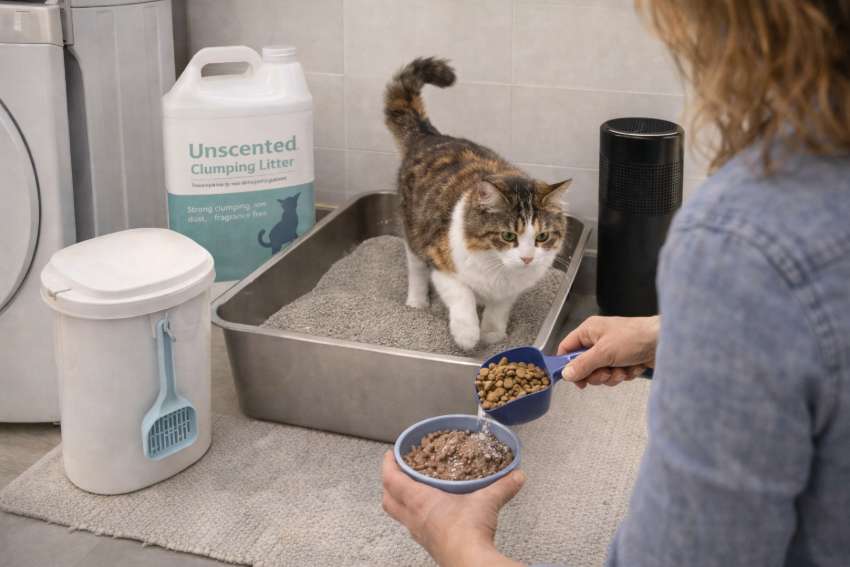
In a small apartment, litter box odor can feel like it takes over your entire home—especially if your litter box is near the bathroom, laundry area, or a corner of the living room. The good news is that odor control is usually less about finding a “miracle” litter and more about choosing the righ...

Wet vs Dry Cat Food: Pros, Cons and When to Use Each
Choosing between wet and dry cat food can feel like a never-ending debate—especially when you’re trying to balance budget, convenience, your cat’s preferences, and long-term health. The truth is that both wet and dry foods can work well when they’re complete and balanced and fed in the right por...

Best Cat Food for Indoor Cats: Weight, Hairball and Urinary Health
Indoor cats often live longer, safer lives—but they also face a different set of nutrition challenges. With fewer daily calories burned, it’s easy for weight to creep up. Grooming can lead to more hairballs. And urinary issues can show up quietly until they become urgent. The “best” indoor cat f...

Independent Cat Breeds for Busy Professionals
If you love cats but don’t have the time for constant attention, you’re not alone. Many busy professionals want a cat that’s affectionate on their terms, comfortable with alone time, and less likely to develop clingy behaviors when your schedule gets hectic. The good news: some cat breeds (and ma...

Are Raccoons Dangerous to Pets? How to Keep Your Dog or Cat Safe
For many pet owners in the US and parts of Europe, raccoons are regular night-time visitors. They look cute with their “bandit” masks and fluffy tails – but for dogs and cats, raccoons can be dangerous neighbors.This guide explains:When raccoons are a real threat to dogs and catsDiseases and para...