Why Do Reindeer Eyes Change Color?
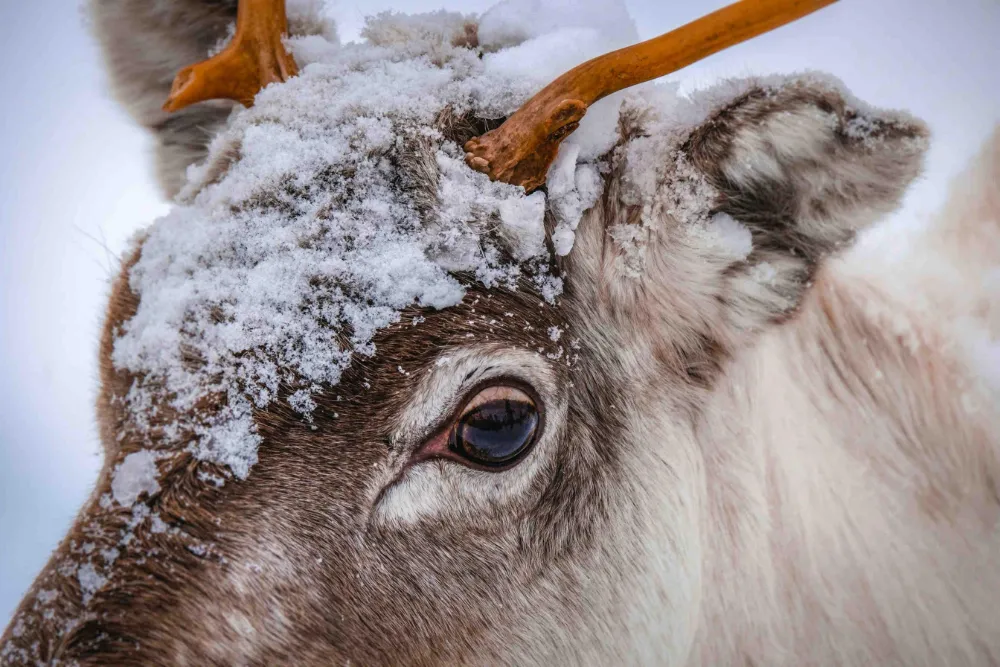
Reindeer eyes change color because a reflective layer behind the retina, called the tapetum lucidum, changes with the seasons. In Arctic summer, this layer reflects mostly golden light. During winter, it becomes deep blue, helping the animal detect light in the dim Arctic environment. Researchers ha...
How Do Archerfish Shoot Water?
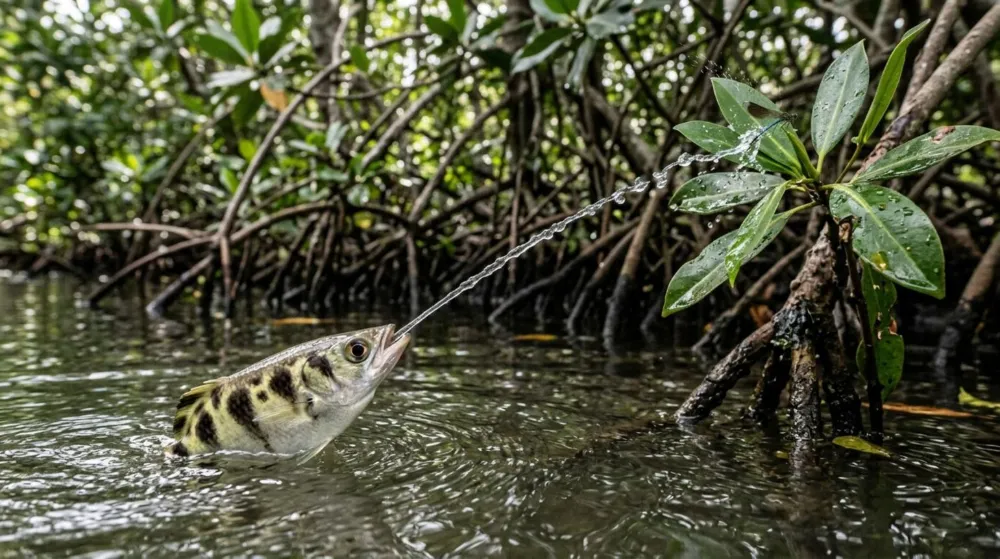
Archerfish shoot water by using a specialized groove in the roof of their mouth, their tongue, and pressure generated inside the mouth and gill chambers. Together, these structures help form a narrow water jet that can knock insects from vegetation above the water. Archerfish do more than simply squ...
How Do Geckos Stick to Walls?
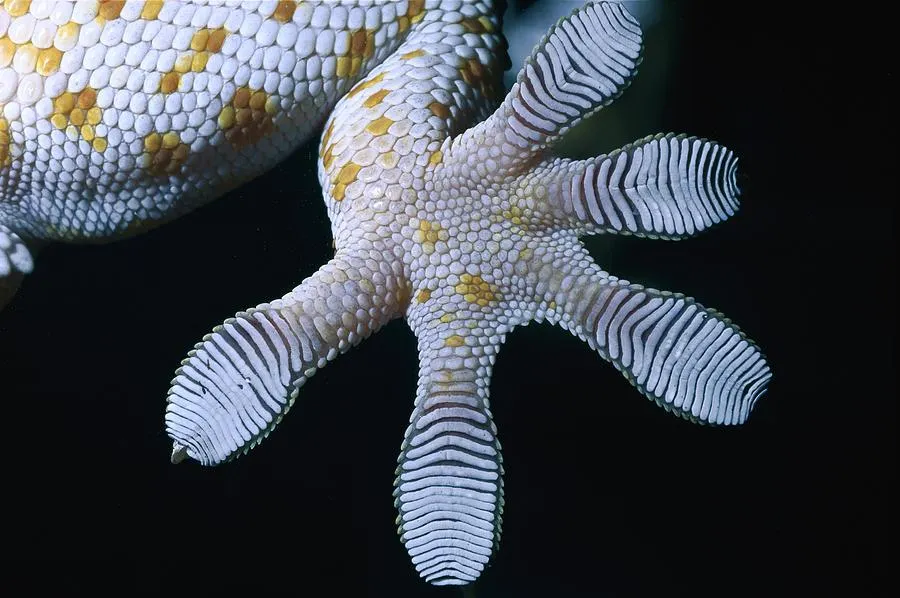
Geckos stick to walls using millions of microscopic hair-like structures called setae on specialized toe pads. Each seta branches into much smaller flattened tips called spatulae. When these tips make close contact with a surface, weak intermolecular attractions known as van der Waals forces combine...
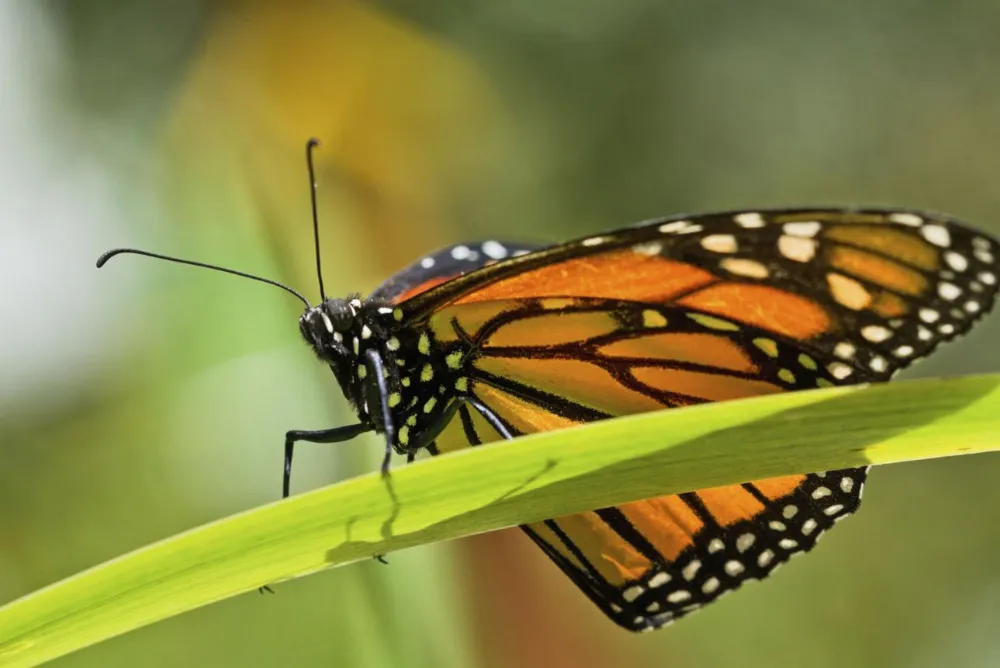
Can Butterflies Taste With Their Feet?
Yes, butterflies can taste with their feet. Many butterflies have specialized chemical sensors called gustatory sensilla on their legs, particularly on the lower foot segments known as tarsi. When a butterfly lands on a leaf or flower, these sensors can detect certain chemicals on the surface. For f...
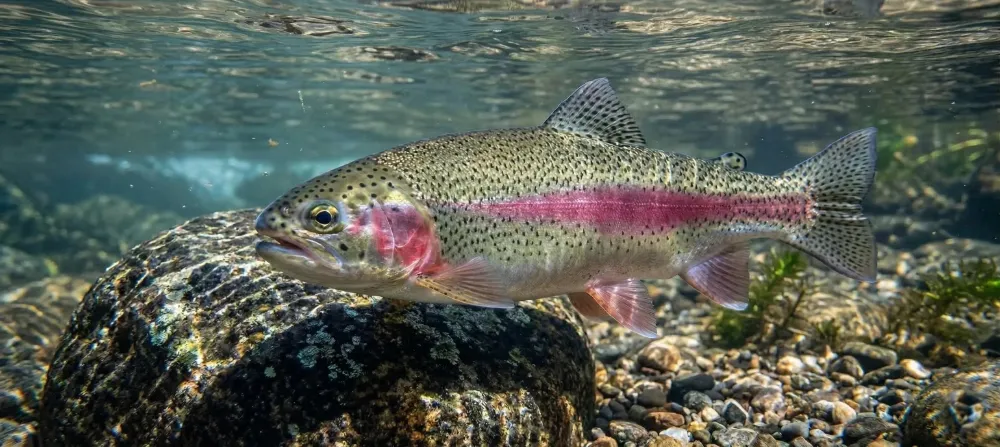
Do Fish Get Thirsty? How Fish Drink Water
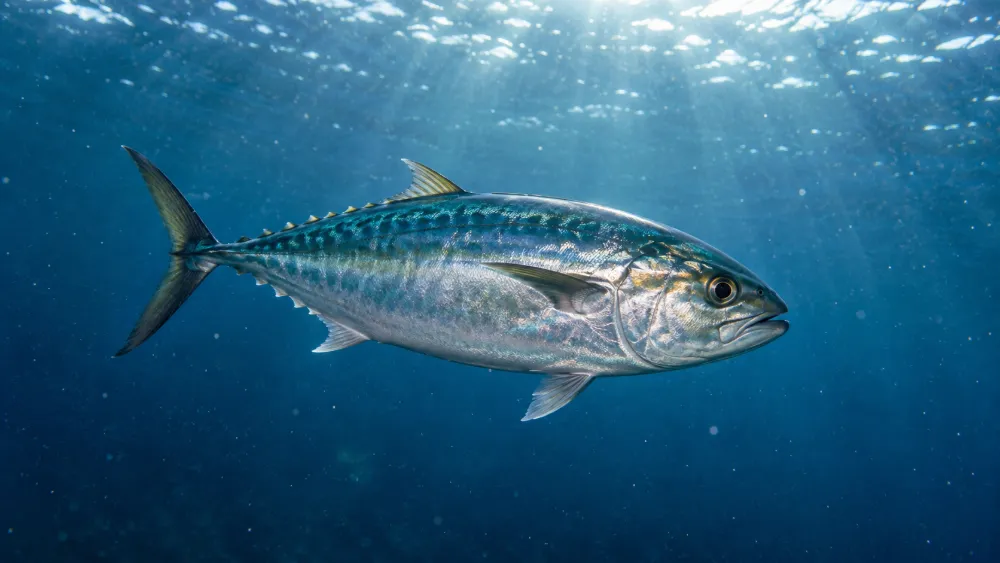
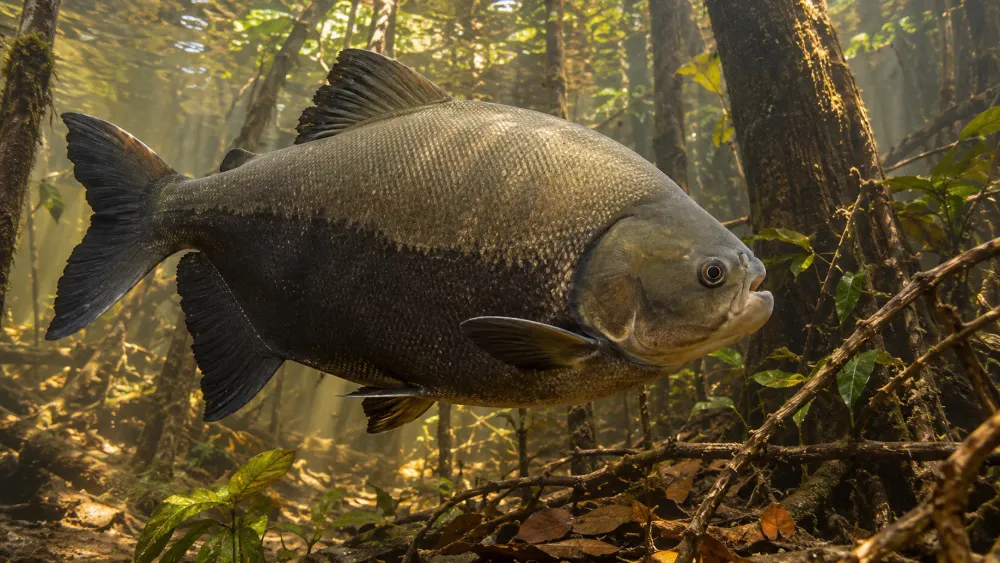
Fish need water to survive, but scientists do not know whether they experience thirst in the same subjective way humans do. Most marine bony fish regularly drink seawater because they lose water to their salty surroundings. Freshwater bony fish face the opposite problem: water continually enters the...
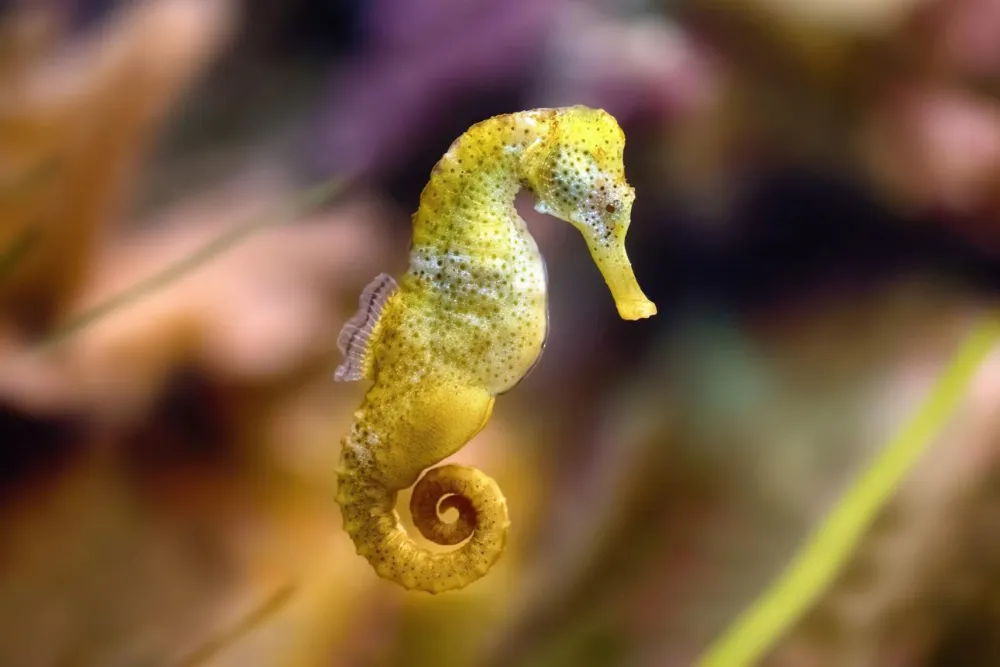
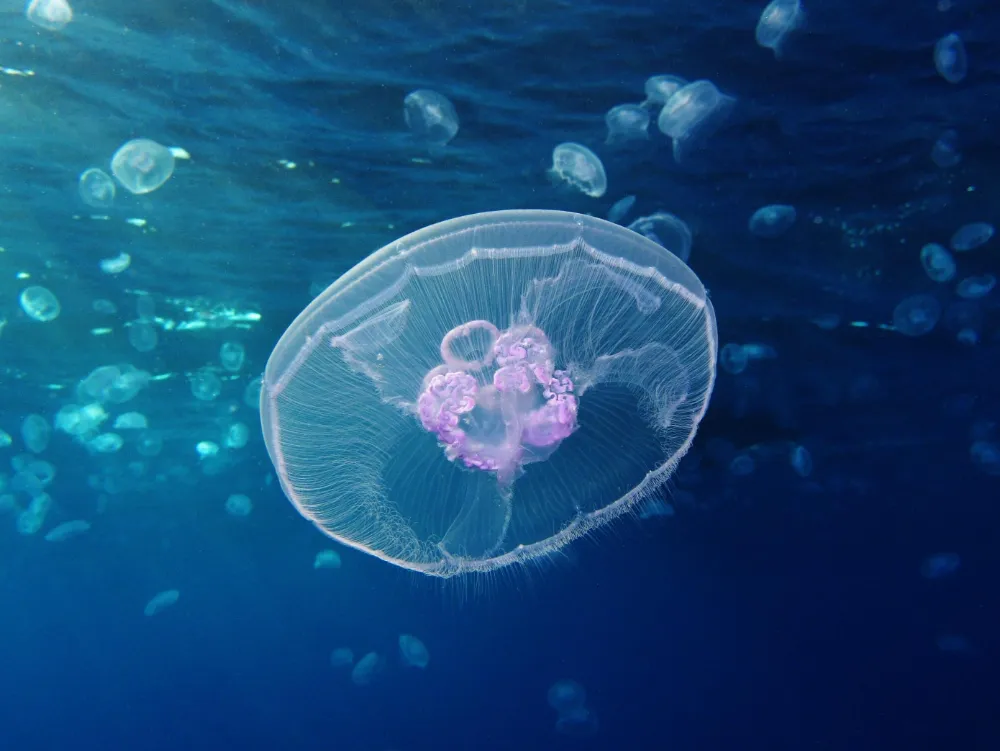
Do Jellyfish Have Brains? How They Survive Without One
No, jellyfish do not have brains, but they do have nervous systems. Instead of a centralized brain like those found in humans, fish, and many other animals, jellyfish possess networks of nerve cells distributed throughout their bodies. These nerve networks help them sense their surroundings, coordin...