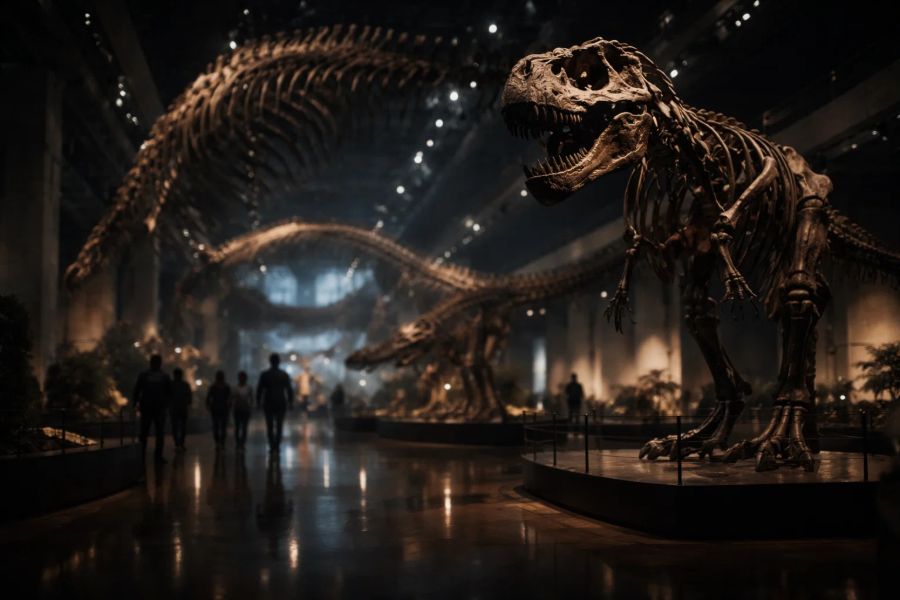
Dinosaur Museums: Where Prehistoric Giants Meet Modern Science
Walk into a dinosaur museum and you’ll see towering skeletons, dramatic dioramas, and fossil bones that look like relics from another planet. But the real story is bigger than spectacle: a dinosaur museum is a working interface between research, conservation, education, and public trust—a place wh...
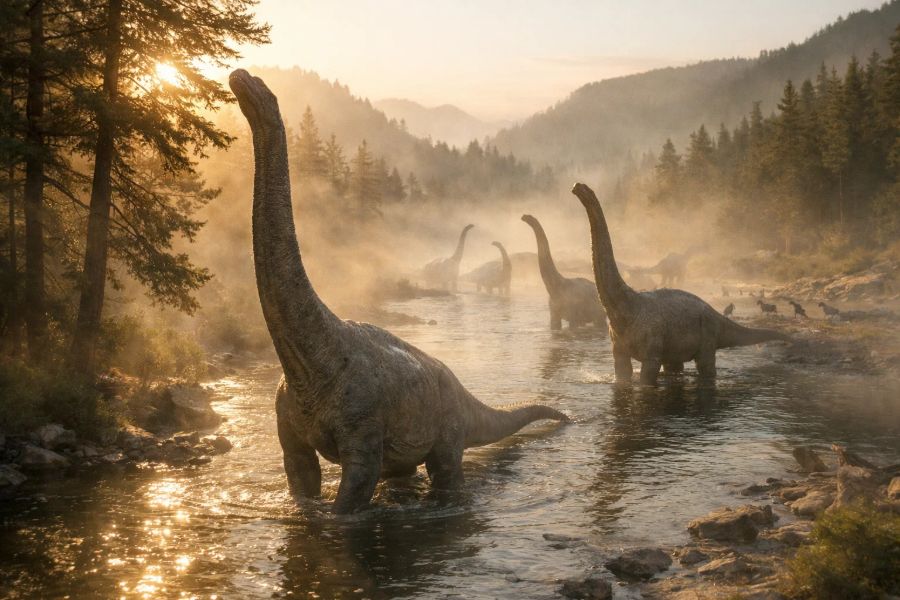
Long-Neck Dinosaurs: How Sauropods Built the Greatest Reaching Machines in Earth’s History
1) What people mean by “long-neck dinosaur”When most people say “long-neck dinosaur,” they’re usually talking about sauropodomorphs—especially sauropods, the giant, four-legged herbivores such as Diplodocus, Apatosaurus, and Brachiosaurus. These animals evolved necks that could exceed 6–9 met...
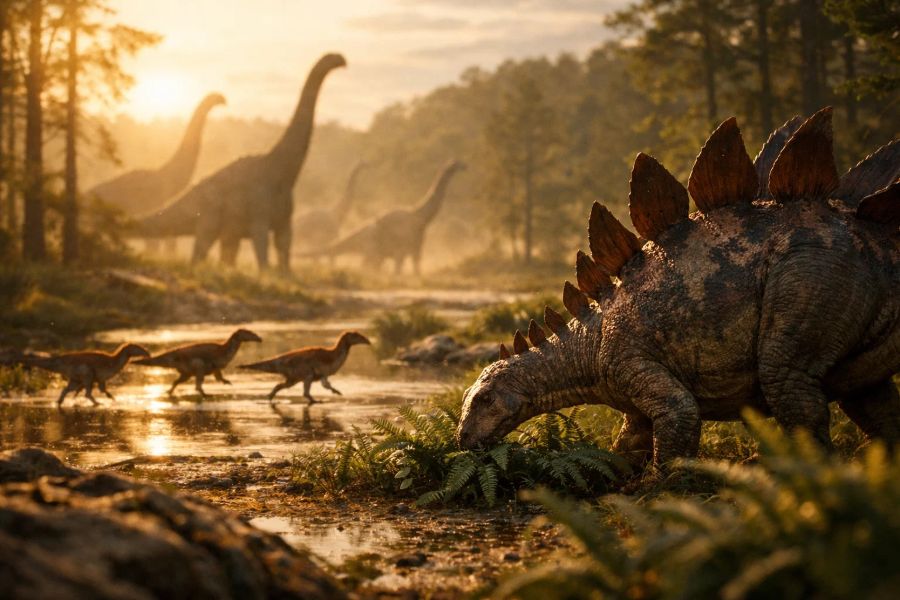
“Types of Dinosaurs”: A Zoologist’s Field Guide to the Major Dinosaur Groups
1) What counts as a dinosaur (and what doesn’t)?“Dinosaur” is not a catch-all word for any big prehistoric reptile. Dinosaurs are a specific branch of archosaurs (the group that also includes crocodilians and birds) with a distinctive body plan—most famously, upright limbs held under the body ra...

Argyrosaurus
Argyrosaurus was a large long-necked plant-eating dinosaur from the Late Cretaceous of South America. It belonged to the titanosaurs, the group of sauropods that became especially important during the later part of dinosaur history. Although Argyrosaurus is not known from a complete skeleton, it rem...


Aeolosaurus
Aeolosaurus was a long-necked plant-eating dinosaur from the Late Cretaceous of South America. It belonged to the titanosaurs, the sauropod group that became especially important during the later part of dinosaur history. Although Aeolosaurus is not as famous as gigantic titanosaurs such as Argentin...

Adamantisaurus
Adamantisaurus was a long-necked plant-eating sauropod from the Late Cretaceous of Brazil. It belonged to the titanosaurs, the group of sauropods that became especially important during the later part of dinosaur history. Although Adamantisaurus is not known from a complete skeleton, it remains sign...

Amargasaurus
Amargasaurus was a long-necked plant-eating dinosaur from the Early Cretaceous of South America. It is one of the most unusual sauropods ever discovered because of the extraordinary paired spines along its neck and upper back. While many sauropods are known mainly for giant size, Amargasaurus stands...

Mussaurus
Mussaurus was an early plant-eating sauropodomorph from what is now Argentina. It became famous because the first fossils belonged to tiny hatchlings and juveniles, making scientists think of it as a very small dinosaur. Later discoveries showed that adult Mussaurus was much larger and had the long...

Laplatasaurus
Laplatasaurus was a long-necked plant-eating dinosaur from the Late Cretaceous of South America. It belonged to the titanosaurs, a major group of sauropods that became especially important during the final part of dinosaur history. Although Laplatasaurus is not as famous as giants such as Argentinos...

Neuquensaurus
Neuquensaurus was a long-necked plant-eating dinosaur from the Late Cretaceous of South America. It belonged to the titanosaurs, a major sauropod group that became especially successful during the later part of dinosaur history. Unlike the giant record-holding sauropods, Neuquensaurus was more moder...

Cathartesaurus
Cathartesaurus was a long-necked plant-eating sauropod from the Cretaceous of South America. It was not one of the most massive sauropods ever discovered, but it is important because it belonged to the rebbachisaurids, a group of more lightly built diplodocoid sauropods that survived later than many...

Sauroposeidon
Sauroposeidon was a giant long-necked plant-eating dinosaur from the Early Cretaceous of North America. It is famous for its extraordinary neck vertebrae, which suggest that it was one of the tallest dinosaurs ever discovered. Although it is sometimes mentioned alongside the biggest sauropods of all...

Shunosaurus
Shunosaurus was a plant-eating sauropod dinosaur from Jurassic China. It was not one of the largest sauropods, but it is one of the most unusual because it appears to have carried a bony tail club. That feature makes it stand out from many other long-necked dinosaurs. Shunosaurus also had a relative...

Omeisaurus
Omeisaurus was a large long-necked plant-eating dinosaur that lived in what is now China during the Jurassic. It is one of the most famous sauropods from Asia and is especially well known for its very long neck, heavy body, and classic “high-browsing” silhouette. Although it is sometimes overshado...

Argentinosaurus
Argentinosaurus was a gigantic long-necked plant-eating dinosaur from the Late Cretaceous of South America. It is usually classified as a titanosaur, a group of sauropods that included some of the largest land animals ever to live. Although its fossil remains are incomplete, Argentinosaurus has beco...

Apatosaurus
Apatosaurus (Apatosaurus ajax) was one of the best-known long-necked dinosaurs of the Jurassic Period. With a huge body, a thick muscular neck, and a long tail, Apatosaurus represents the classic image of a giant sauropod moving through river floodplains.Time PeriodApatosaurus lived during the Late...

Titanosaurus
Titanosaurus is a famous name linked to the giant long-necked dinosaurs known as titanosaurs. In strict scientific usage, Titanosaurus refers to a historical dinosaur genus described from India in the Cretaceous. However, because the original fossils were fragmentary, many researchers consider Titan...

Seismosaurus
Seismosaurus is a famous name from dinosaur pop culture, often associated with one of the longest sauropods ever described. Many modern studies treat “Seismosaurus” as the same dinosaur as Diplodocus hallorum, meaning Seismosaurus is widely considered an older or informal name rather than a separa...

Brontosaurus
Brontosaurus (Brontosaurus excelsus)—often called the “thunder lizard”—was one of the most iconic long-necked dinosaurs of the Jurassic Period. With its massive body, pillar-like legs, and sweeping tail, Brontosaurus represents the classic image of a giant sauropod moving across ancient floodpla...