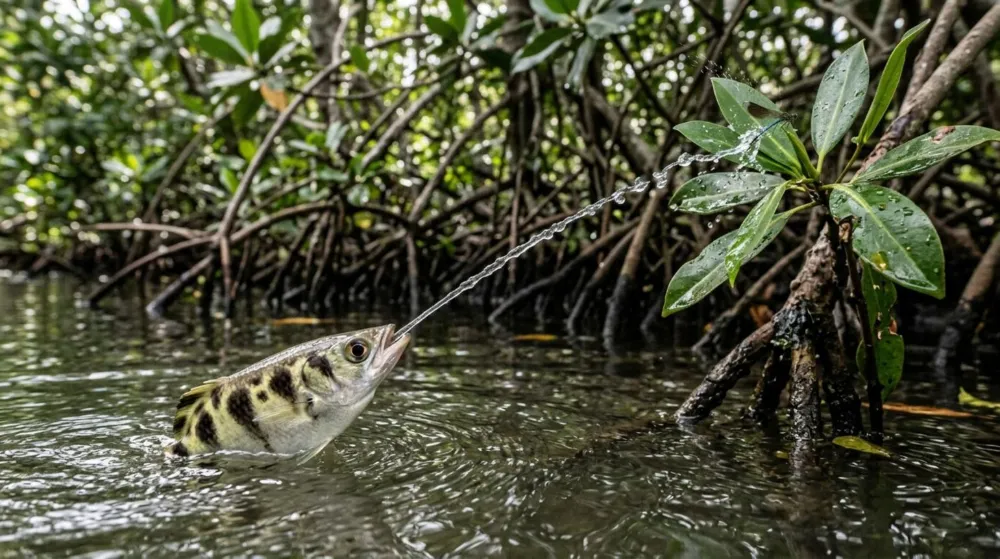
How Do Archerfish Shoot Water?
Archerfish shoot water by using a specialized groove in the roof of their mouth, their tongue, and pressure generated inside the mouth and gill chambers. Together, these structures help form a narrow water jet that can knock insects from vegetation above the water. Archerfish do more than simply squ...
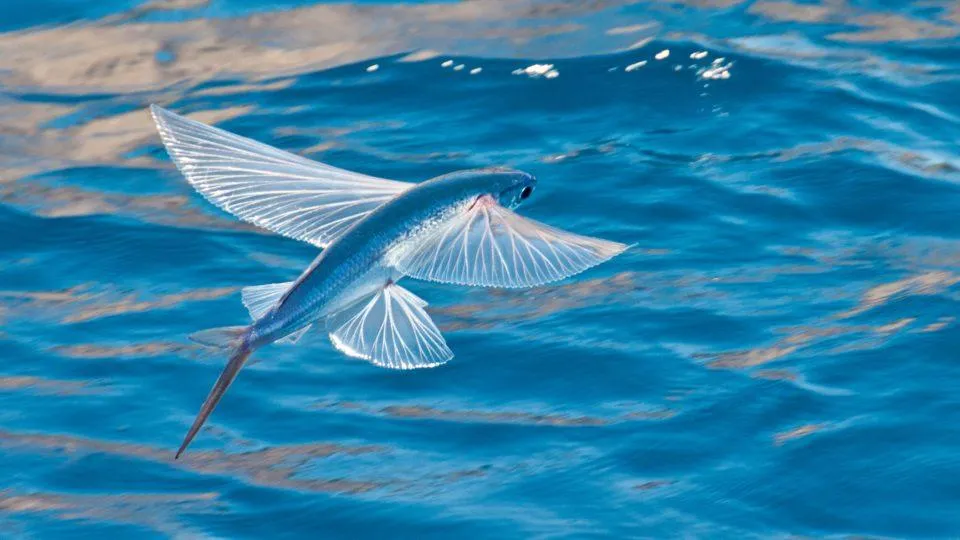
Why Do Flying Fish Fly?
Flying fish leap out of the ocean and glide through the air, primarily as a way to escape predators such as tuna and dolphinfish. They do not fly like birds by flapping wings. Instead, they accelerate underwater, burst through the surface, and spread their enlarged pectoral fins to generate aerodyna...
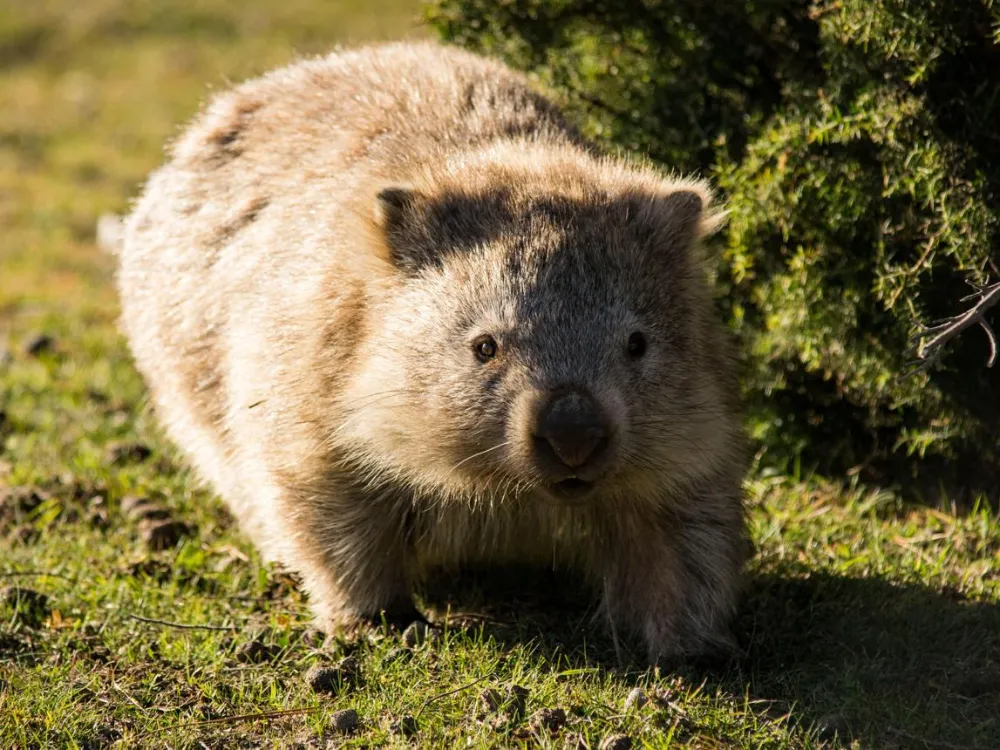
Why Do Wombats Poop Cubes?
Wombats produce cube-shaped poop because their intestines have regions with different mechanical properties. As digested material moves through the final part of the intestine, it becomes drier and is shaped by repeated muscular contractions. Researchers found that alternating stiffer and more flexi...
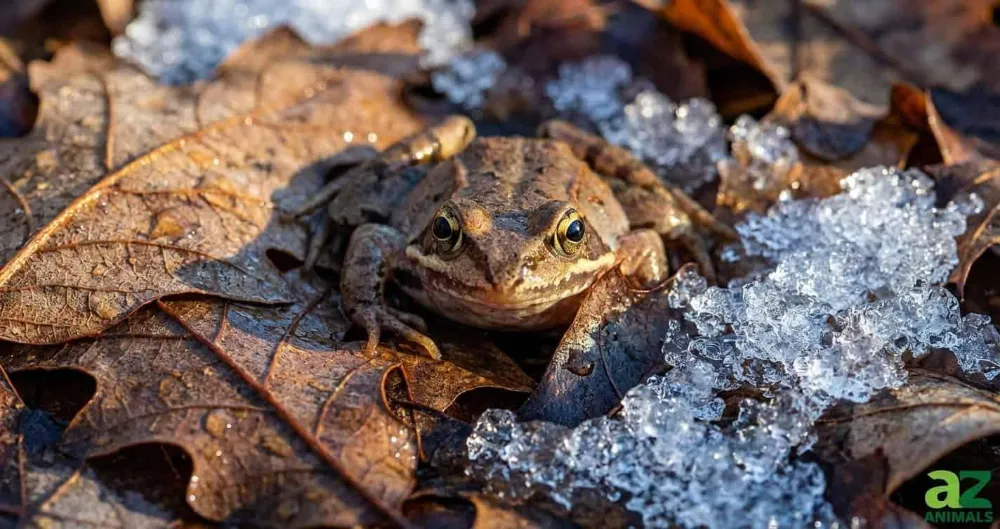
Can Frogs Freeze and Come Back to Life?
Yes, some frogs can survive being frozen and become active again after thawing. The best-known example is the wood frog (Lithobates sylvaticus), which can tolerate ice forming in substantial portions of its body during winter. Its heartbeat and circulation may become undetectable during freezing, bu...
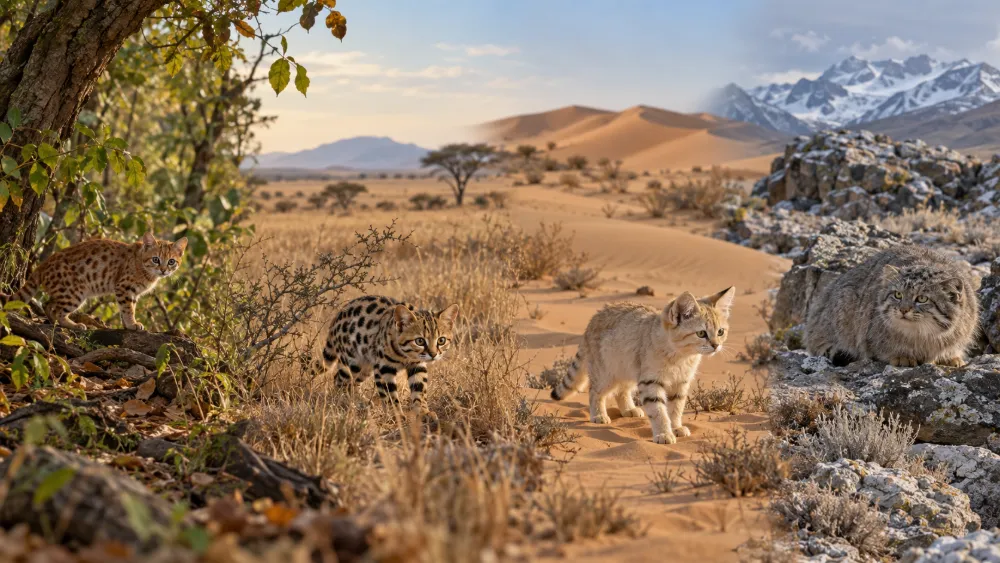
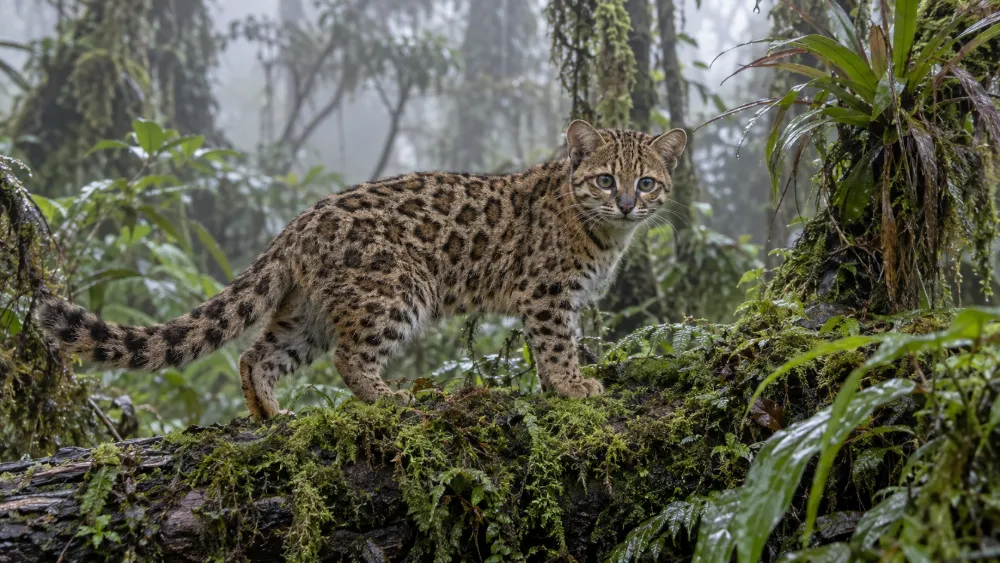
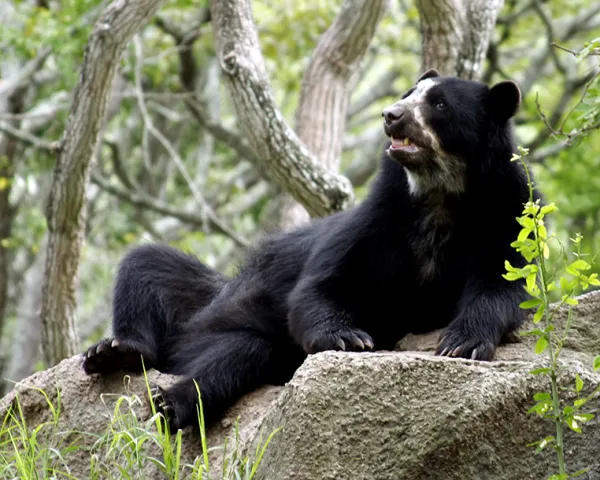

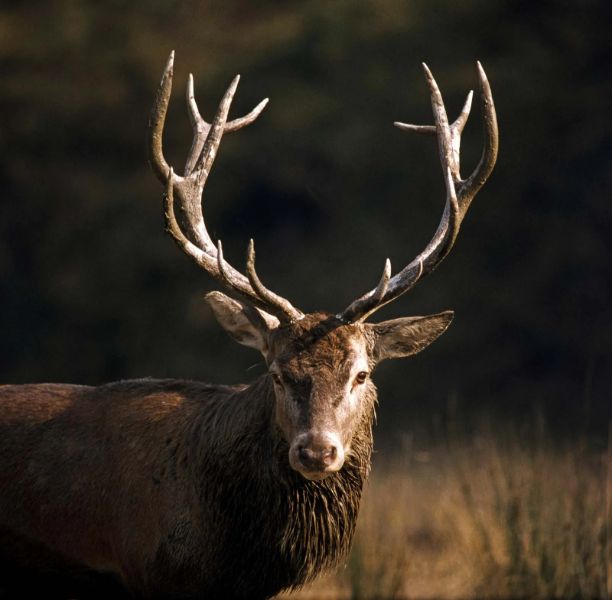
9 of the World’s Deadliest Mammals: Dangerous Species and Why They Kill
When most people think of mammals, they picture animals that feel familiar: pets, farm animals, wildlife documentaries, and the soft, warm creatures children grow up loving. Mammals are often seen as intelligent, social, and even comforting. But some mammals can also be extremely dangerous.In truth,...
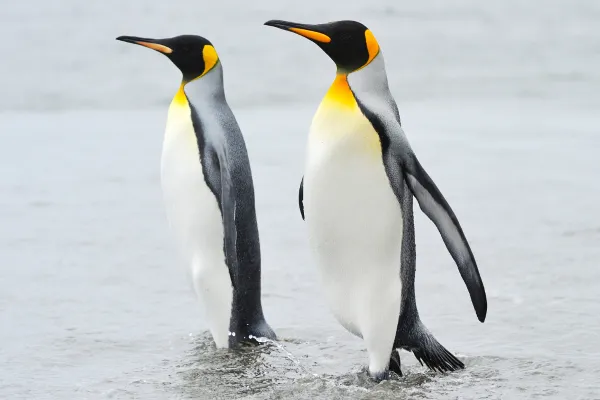
King Penguin: Facts, Habitat, Diet, Breeding, and Conservation
The king penguin (Aptenodytes patagonicus) is one of the most elegant and recognizable penguins in the world. It is the second-largest penguin species, smaller only than the emperor penguin, and is famous for its tall posture, sleek body, and bright orange markings on the head and upper chest. Unlik...