Skip to content
Animals Top
Home>Animals>Birds>Climbing birds
Animal Profile IUCN: LC

Batrachostomus septimus

Batrachostomus septimus,Philippine Frogmouth

Batrachostomus septimus, Philippine Frogmouth, the specific behavior is unknown.Little is known about the Filipino frogmouth, as it is only active at night and does not emit any calls. They feed on locusts, cicadas, crickets and beetles.Filipino Frogmouth nests in horizontal branches 2-5 meters abov

Climbing birds 424 views
Scientific Name Batrachostomus septimus,Philippine Frogmouth
Length No textual research information is available
Weight No textual research information is available
Lifespan No textual research information is available
IUCN Status LC
Advertisement

Table of Contents

    Batrachostomus septimus, Philippine Frogmouth, the specific behavior is unknown.
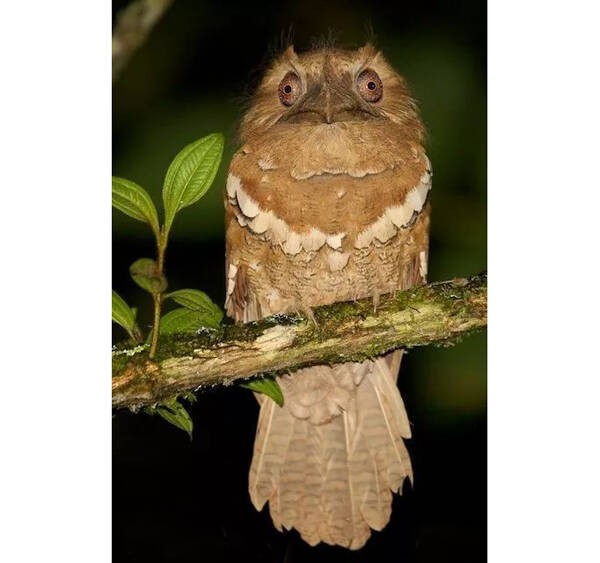
    640 (1)_九雷图片转换器.jpg

    Little is known about the Filipino frogmouth, as it is only active at night and does not emit any calls. They feed on locusts, cicadas, crickets and beetles.640_九雷图片转换器.jpg
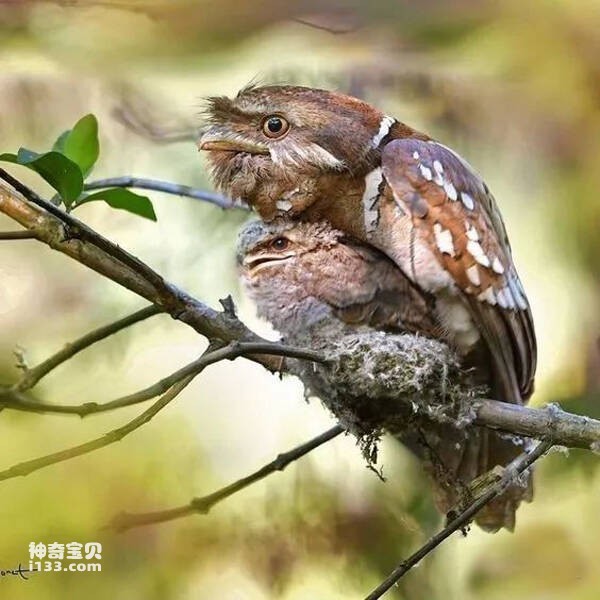
    Filipino Frogmouth nests in horizontal branches 2-5 meters above the ground, using the parent bird's own feathers and building from spider silk, moss, and lichen. Female birds lay one egg per season, males incubate during the day and females incubate at night.


    Protect wild animals and eliminate wild meat.


    Maintaining ecological balance is everyone's responsibility!

    Tags

    At a glance

    Profile Details

    Key characteristics, appearance, and habitat information.

    Traits & Behavior

    Appearance

    The details are unknown.

    Distribution & Habitat

    It is distributed in the Pacific Islands (including Taiwan Province of China, Dongsha Islands, Xisha Islands, Zhongsha Islands, Nansha Islands, and the Philippines, Brunei, Malaysia, Singapore, Indonesia's Sumatra, Java Island, and Papua New Guinea).
    Found throughout the Philippine Islands, it usually lives in lowland forests.
    Advertisement

    Visual guide

    Browse available images of this species.

    Quick answers

    Batrachostomus septimus FAQs