Skip to content
Animals Top
Home>Animals>Birds>Climbing birds
Animal Profile IUCN: LC

Todirhamphus lazuli

Todirhamphus lazuli,Lazuli kingfisher

The South Moluccan emerald is Todirhamphus lazuli, Lazuli kingfisher, a bird of the kingfisher family.South Moluccan emeralds are usually hunted alone or in pairs. Like most forest kingfishers, they are completely carnivorous. Often searching for prey in leaves or dirt. The main diet is invertebrate

Climbing birds 448 views
Scientific Name Todirhamphus lazuli,Lazuli kingfisher
Length About 22 cm
Weight No textual research information is available
Lifespan No textual research information is available
IUCN Status LC
Advertisement

Table of Contents

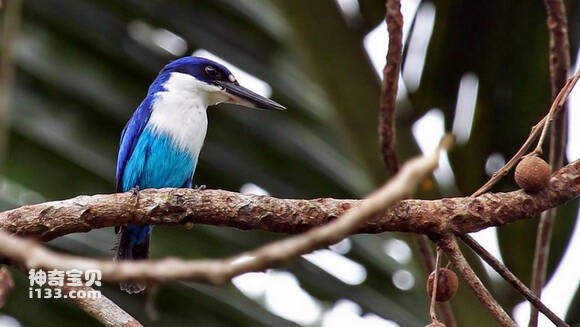
    The South Moluccan emerald is Todirhamphus lazuli, Lazuli kingfisher, a bird of the kingfisher family.
    7589ddfa43166d224f00beab4a2309f79052d209_九雷图片转换器.jpg

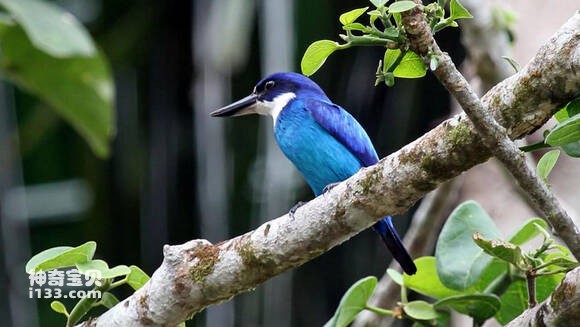
    South Moluccan emeralds are usually hunted alone or in pairs. Like most forest kingfishers, they are completely carnivorous. Often searching for prey in leaves or dirt. The main diet is invertebrates such as crickets, spiders, scorpions and snails. It also eats small vertebrates such as small fish, small snakes and lizards.
    a254a0fd1e178a82736fd49ffa03738da977e836_九雷图片转换器.jpg

    South Moluccan emeralds burrow into termite-hollowed tree trunks for nests. Oval, pure white, about 29.4×26.2 mm in size.


    Listed in the International Union for Conservation of Nature (IUCN) ver 3.1:2008 Red List of Birds.


    Protect wild animals and eliminate wild meat.


    Maintaining ecological balance is everyone's responsibility!


    Tags

    At a glance

    Profile Details

    Key characteristics, appearance, and habitat information.

    Traits & Behavior

    Appearance

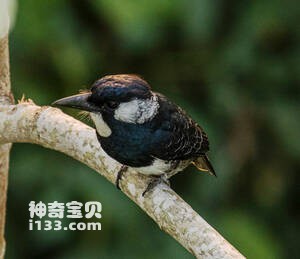
    The South Moluccan emerald is 22 cm long. The adult male has a black forehead and cap with a bluish tint. The eyes were previously white spots, slightly higher than the mouth. Blue-black cheeks and cheeks. The neck is blue-black. Some blue-black feathers appear behind the wide white collar. The black feathers on the back were inlaid with blue. The dark striated shoulder blades are light blue. The back and tail are silver-blue tones or sky blue. The wings come in various shades of blue. The tail is blue and purple. The chin, throat, sides of the neck, chest and upper abdomen have a large white, the side and tail are blue sky. The maxilla is black, with lower yellow corners and brownish black edges. The iris is dark brown. Dark brown legs. The female is different, with a bluish-purple neck on both sides of the back. The chest and abdomen are light blue. The chin and throat are white, and the wings below are dark blue-gray.
    The mouth is thick and long like a chisel, the base is wider,

    Distribution & Habitat

    Distributed in the Wallace Region (refers to the traditional Wallace line "from the eastern sea of Mindanao through the Makassar Strait to the east between Bali and Lombok", west of Papua New Guinea, including Indonesia's Sulawesi Island, Nusa Tenggara Islands, Southwest Islands, Moluccas, Maluku Islands, East Timor and other islands).
    It usually inhabits dense forests and riverbanks near water.
    Advertisement

    Visual guide

    Browse available images of this species.

    Quick answers

    Todirhamphus lazuli FAQs