Skip to content
Animals Top
Home>Animals>Amphibia>Anura
Animal Profile IUCN: LC

Zhangixalus hongchibaensis

Wuxi tree frog

During the breeding season from March to June, the male frog makes a "del, del, del" sound, which is more frequent at night. When mating, the male frog holds the female frog's armpit with its forelimbs. The female frog lays eggs at the bottom of the herbaceous plants near the swamp pon

Anura 749 views
Scientific Name Wuxi tree frog
Length 46.5-55.3mm
Weight
Lifespan 5-6years
IUCN Status LC
Advertisement

Table of Contents

    During the breeding season from March to June, the male frog makes a "del, del, del" sound, which is more frequent at night. When mating, the male frog holds the female frog's armpit with its forelimbs. The female frog lays eggs at the bottom of the herbaceous plants near the swamp pond. The follicles are white.


    Listed in the second level of the "List of National Key Protected Wildlife in China".
    1_Jiulei Image Converter.jpg

    3_Jiulei Image Converter.jpg

    At a glance

    Profile Details

    Key characteristics, appearance, and habitat information.

    Traits & Behavior

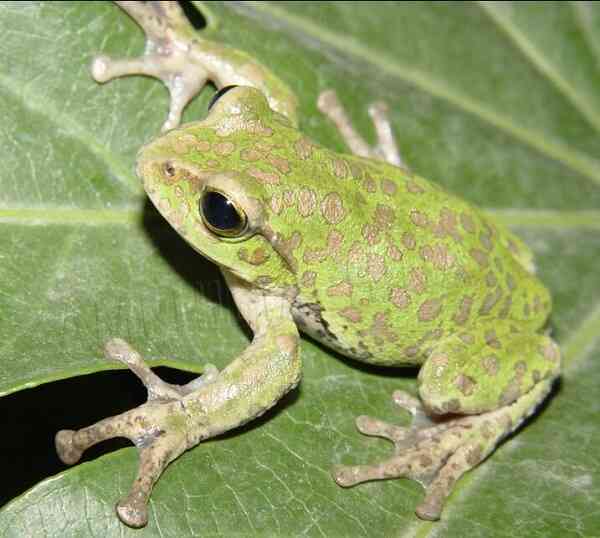
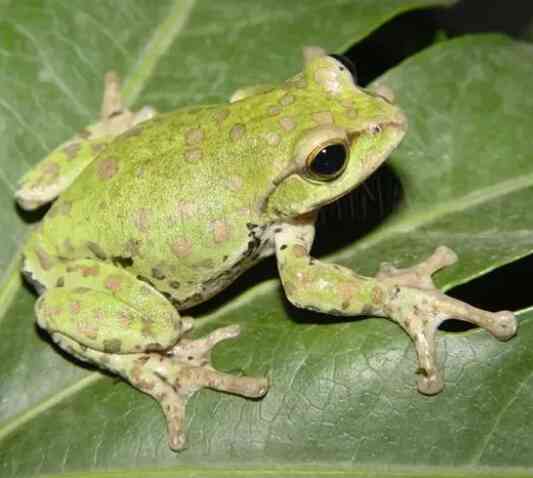
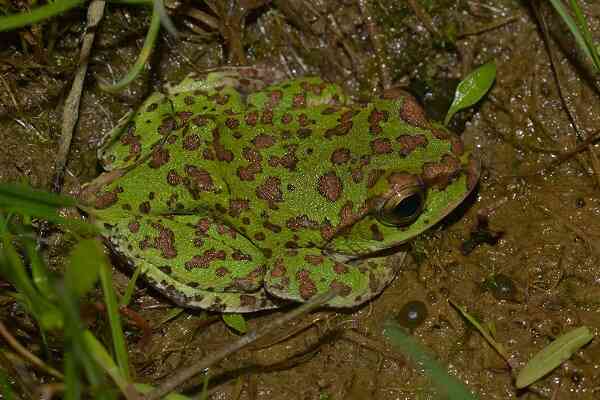
    The body and back of the limbs are light green with light brown spots of different sizes

    Appearance

    The skin on the back of the body and limbs has small spots; the ventral surface of the body and the ventral surface of the thighs are densely covered with flat warts, and the throat is smaller. The back of the body and limbs is light green with light brown spots of different sizes, and the edges of the spots are dark brown; the ventral surface is milky white with slightly gray-brown small spots or cloud-like spots. The male frog has a single subpharyngeal vocal sac; there is a nuptial pad at the base of the first finger.

    Distribution & Habitat

    Distributed in Chongqing (Wuxi Hongchiba) in China. Lives in the grass near the edge of swamps and ponds in mountainous areas at an altitude of 1747m.
    Advertisement

    Visual guide

    Browse available images of this species.

    Quick answers

    Zhangixalus hongchibaensis FAQs