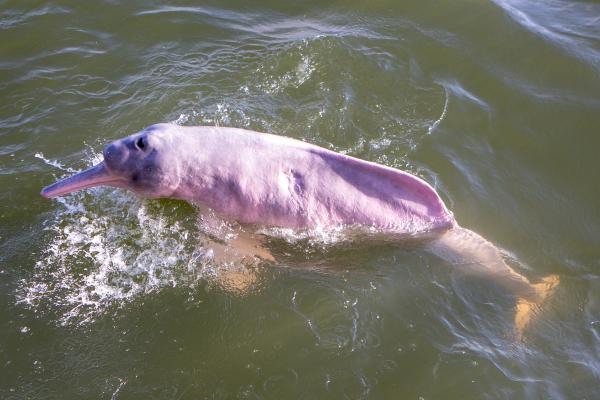
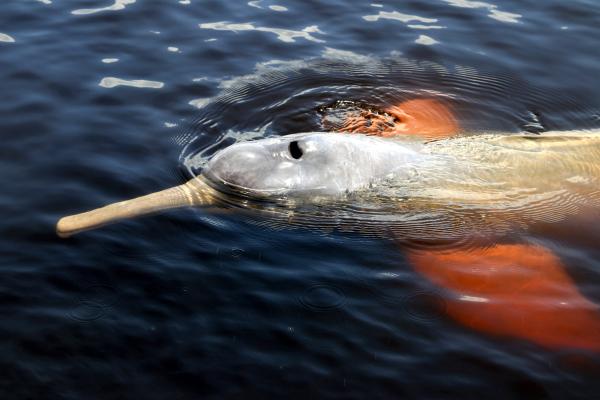
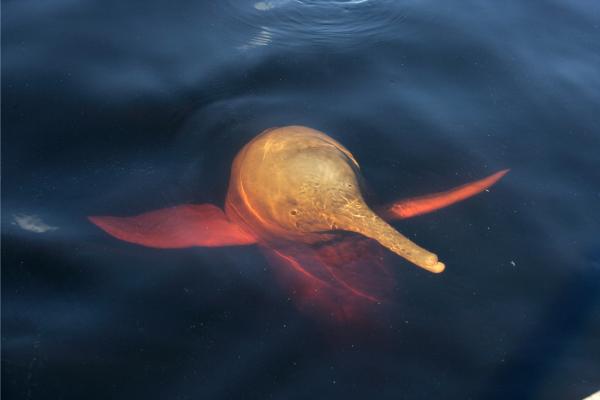
The Amazon pink river dolphin (Inia geoffrensis), also known as the boto, is a freshwater mammal native to the Amazon and Orinoco river basins in South America. Found in Colombia, Venezuela, Brazil, Bolivia, Peru, and Ecuador, these dolphins are notable for their skin that changes from gray to pink with age and their unique adaptation to navigate wetlands. Unfortunately, they are currently endangered due to multiple human-related threats.
Main Threats to the Amazon Pink River Dolphin
1. Bycatch in Fishing Nets
These dolphins are frequently accidentally caught in fishing nets targeting edible fish, including nets intended for the Amazonian manatee (Trichechus inunguis). In 2010, 176 pink dolphins were reported dead in Tefé, Brazil, due to fishing industry interactions.
2. Hunting for Fish Bait
Pink dolphins are hunted to be used as bait to catch the piracatinga fish (Calophysus macropterus), which is the primary cause of direct mortality. Although banned in Brazil, illegal hunting continues, with estimates of up to 4,000 dolphins killed annually in the Amazonas state alone.
3. River Flow Disruption by Dams
Population growth has driven the construction of dams and water diversion, altering natural river courses and reducing the habitat range for dolphins, increasing competition for resources.
4. Wetland Water Extraction
Dolphins rely heavily on healthy water levels in wetlands, but climate change and human activity have caused significant water loss, threatening their habitat.
5. Pollution from Heavy Metals and Organochlorines
Pollution from pesticides and heavy metals contaminates water bodies, posing serious health risks to dolphins, including potential carcinogenic effects.
Current Population Status
There is no complete census due to complex population dynamics. Estimates from protected areas like Mamirauá Reserve near Tefé suggest approximately 13,000 individuals. Population density varies widely across regions, indicating a need for further research.
How Can We Help the Pink River Dolphin?
Reduce personal contributions to water pollution; avoid dumping waste into rivers and lakes.
Raise awareness and educate communities far from dolphin habitats about their plight.
Support conservation organizations such as WWF through donations or symbolic animal adoptions to fund research and protection efforts.
For more information, explore our article on Other Types of Dolphins.