I. Introduction: Does the Color Red Really Enrage Bulls?
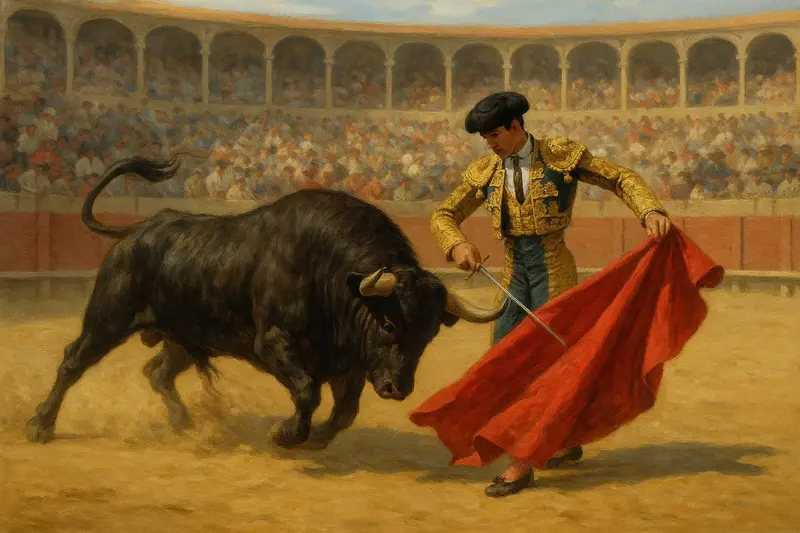
In bullfighting, a matador waves a red cape, seemingly enraging the bull into charging. This dramatic display leads many to believe that bulls have a specific hatred for the color red. But is red truly what provokes bulls? The real answer lies in biology and behavior, not color preference.
II. Understanding Bovine Vision
2.1 Are Bulls Colorblind?
Bulls aren’t completely colorblind, but their vision differs significantly from that of humans. Bulls have dichromatic vision, meaning they can only perceive two color wavelengths—blue and green—and are unable to distinguish red.
2.2 What Do Bulls See When They Look at Red?
To bulls, red appears as a shade of gray or a dark color. They do not perceive red as humans do, which rules out color as the cause of aggression.
III. What Actually Triggers Bull Aggression?
3.1 Sensitivity to Movement
Bulls are highly responsive to motion. The waving motion of the cape in a bullring is what actually attracts and provokes the bull to charge.
3.2 Testosterone and Natural Aggression
Bulls used in bullfighting are typically intact males with high testosterone levels, which naturally increases their tendency toward aggression.
3.3 Stress and Environmental Triggers
The chaos of the bullring—including noise, unfamiliar surroundings, and crowd energy—contributes to the bull’s stress. This stress activates a fight-or-flight response, often resulting in aggressive behavior.
IV. The Use of Red: More About Tradition than Function
4.1 Symbolism in Bullfighting Culture
Red holds symbolic value in Spanish culture. It represents passion, danger, and death, adding visual drama to the performance rather than serving a practical purpose.
4.2 Concealing Blood
During the fight, bulls often bleed from injuries. A red cape helps mask the blood, reducing discomfort for the audience.
V. Ethical Reflections: Rethinking Bullfighting Practices
5.1 Animal Welfare Concerns
Despite being a cultural tradition, bullfighting subjects bulls to intense suffering, fear, and ultimately, death. It raises serious animal welfare concerns.
5.2 Calls for Reform
Animal welfare organizations across the world urge for the end or reform of bullfighting, suggesting more humane alternatives that respect both tradition and animal life.
VI. Conclusion: Science Over Myth
Bulls don’t react to red because of the color itself. Their aggression stems from motion, hormones, and stress, not from color perception. Understanding this helps debunk a long-standing myth and fosters a more compassionate and informed view of animal behavior.