



The evolution of various human regional classifications (what is modern man)
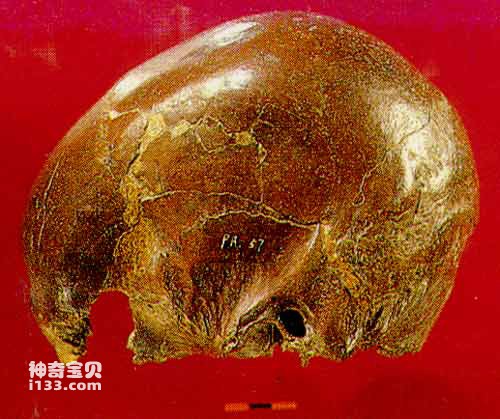
In Africa more than 100,000 years ago, the earliest humans appeared who were identical in body anatomy to modern humans.···
Ancient organisms are organisms that existed during the geological time of Earth's history but are now mostly extinct. Including ancient plants (reedwood, scalewood, etc.), ancient invertebrates (trilobites), animals (money bugs, trilobites, ammonites, etc.), and ancient vertebrates (dinosaurs, Archaeopteryx, mammoths, etc.).
Browse dinosaur news, paleontology articles, rankings, and beginner-friendly prehistoric reading.
In Africa more than 100,000 years ago, the earliest humans appeared who were identical in body anatomy to modern humans.···
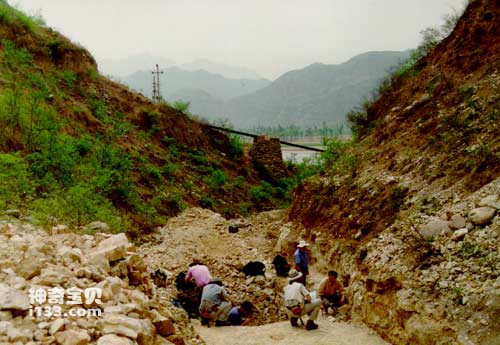
Some scholars at home and abroad believe that E. sinensis is not a higher primate. The reason is that it shows many prim···
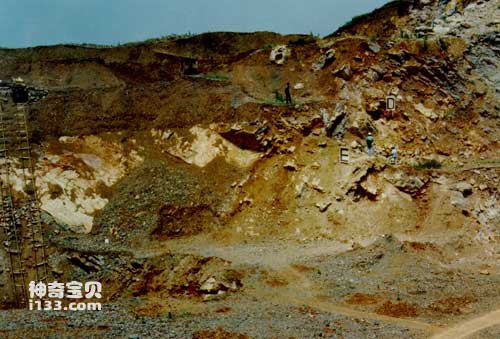
In 1985, paleoanthropologist Lin Yipu discovered some ancient mammal fossils in the fissure accumulation of the Jellyfis···
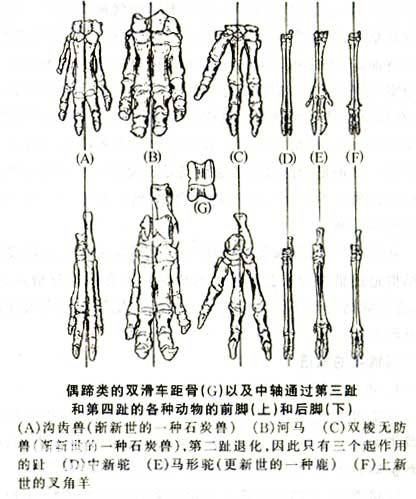
In the early Eocene, a small animal called Paleoartiodactyl differentiated from the anklets. In addition to having a pro···
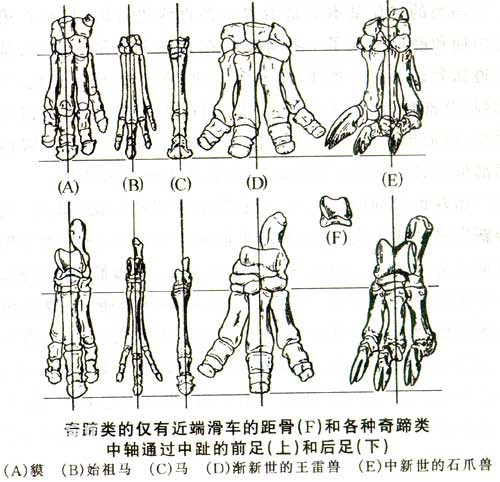
In the North American continent during the early Eocene 50 million years ago, a fox-sized herbivore emerged from the pri···
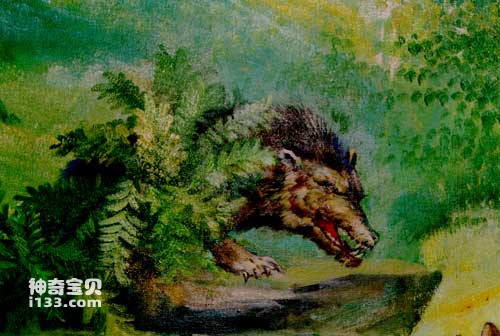
The history of carnivores can be traced back to protozoa hundreds of millions of years ago, when amoebas ate other singl···
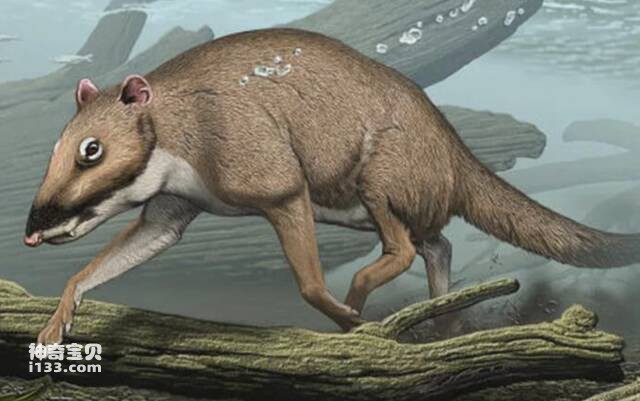
Modern whales have smooth skin and streamlined body shapes. Their huge tails create huge waves in the sea water, pushing···
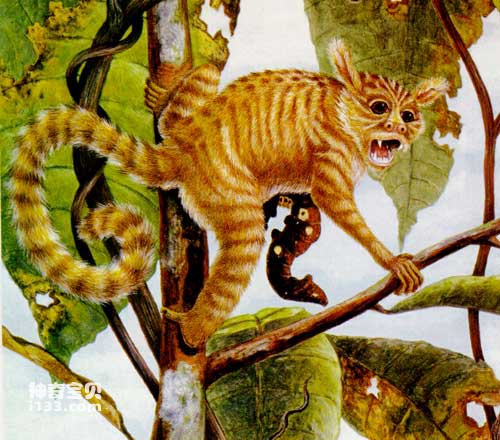
During the period starting from the Eocene and continuing to the Oligocene, the ancestors of modern mammals stood out fr···
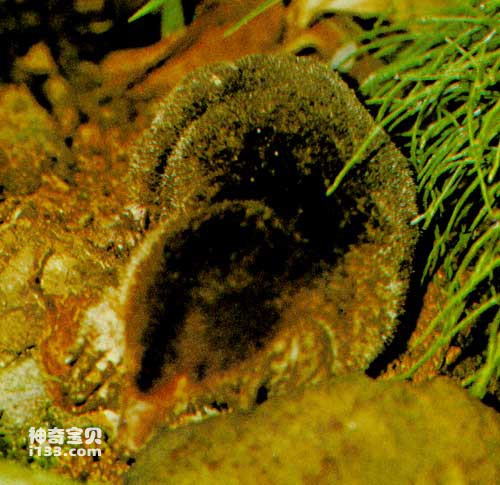
The earliest true beasts were insectivores (order) that appeared in the Cretaceous. After entering the Cenozoic Era, the···
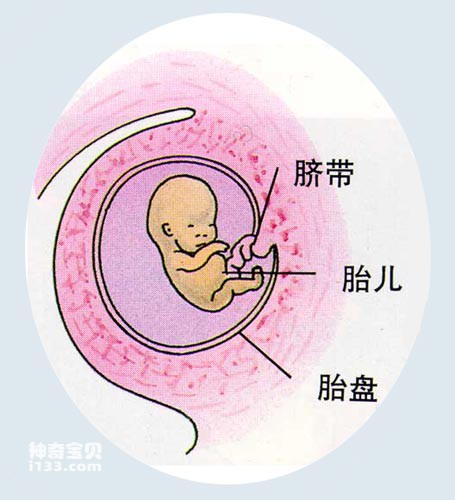
Almost at the same time as the origin of marsupials, another more progressive mammal differentiated from the ancient bea···
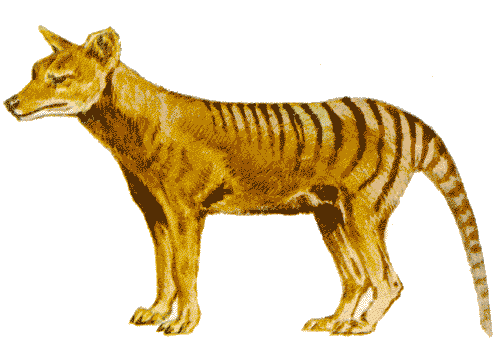
The only order in the subclass Metatheria is the Marsupial order. It has experienced great development since it originat···
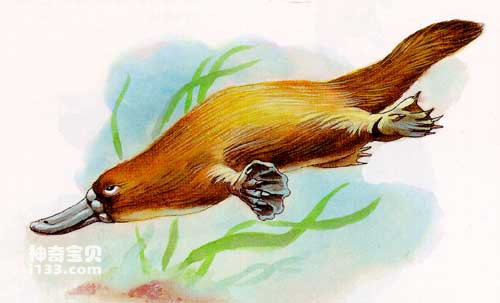
After experiencing the catastrophe at the end of the Mesozoic Era until modern times, there is still a primitive mammal ···
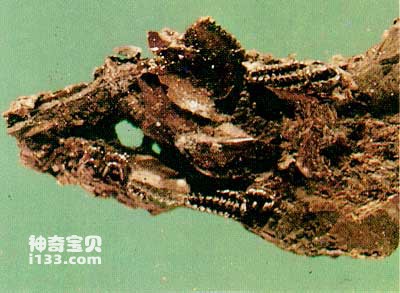
We already know that the tragic mass extinction of the dinosaurs marked the end of the Mesozoic Era. In fact, it was not···
A large number of primitive mammal fossil skeletons discovered in the Triassic strata of South Wales, England, are repre···
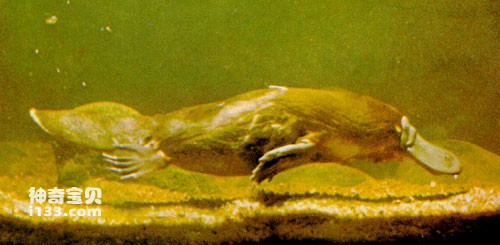
As early as the late Triassic, when dinosaurs had just entered the evolutionary stage, a group of small animals that wer···
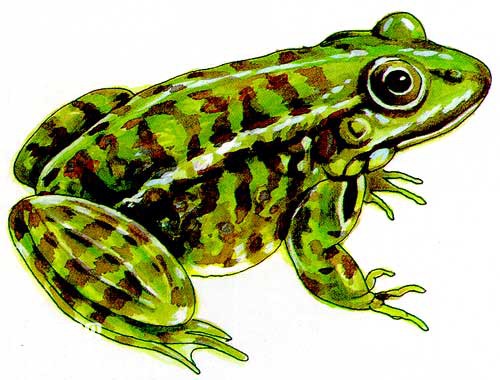
Frogs, toads and salamanders are familiar amphibians. They are still active in ponds, rice fields, swamps, streams, rive···
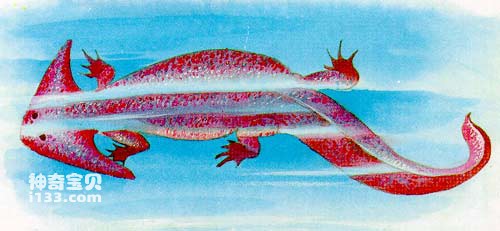
Most conchovertebrates are small amphibians, adapted to life in shallow water and swamps. They first appeared in the Ear···
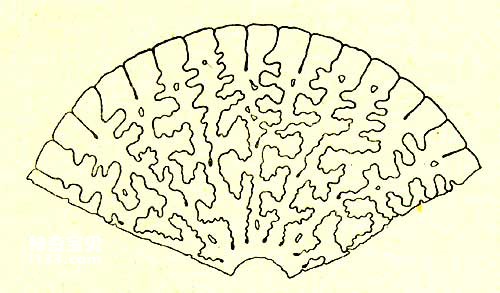
Labyrinths are the earliest terrestrial vertebrates to appear on earth. They flourished in the Carboniferous and Permian···
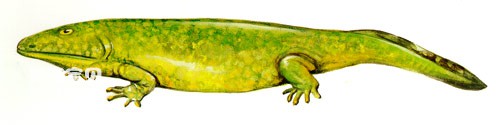
The origin of amphibians probably occurred in the late Devonian period. At that time, a certain species of lobe-finned f···
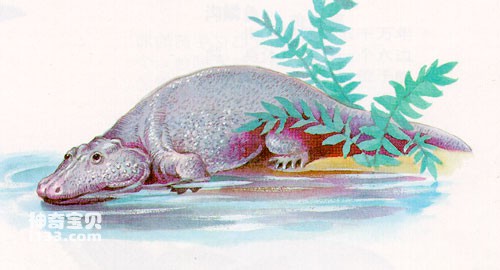
At the end of the Devonian period, a certain kind of lobe-finned fish ventured out of the water and climbed onto land, b···
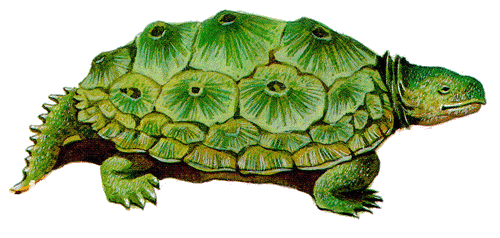
We Chinese have long known that turtles are long-lived animals, so there has been a proverb from ancient times: "A thous···
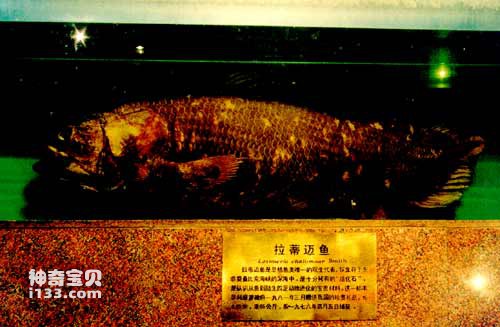
For a long time, the scientific community has believed that lobe-finned fishes, including coelacanths, were extinct from···
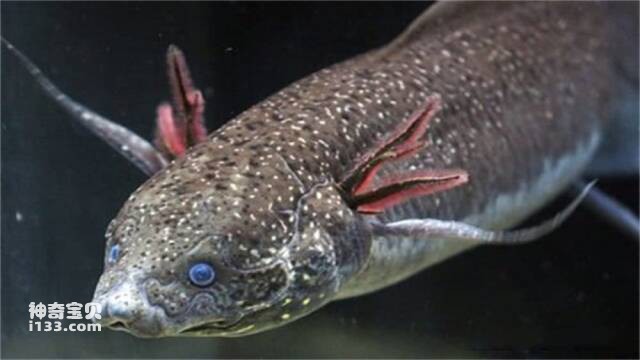
Because lungfish have lungs and internal nostrils that can breathe air, they have long been considered the earliest terr···
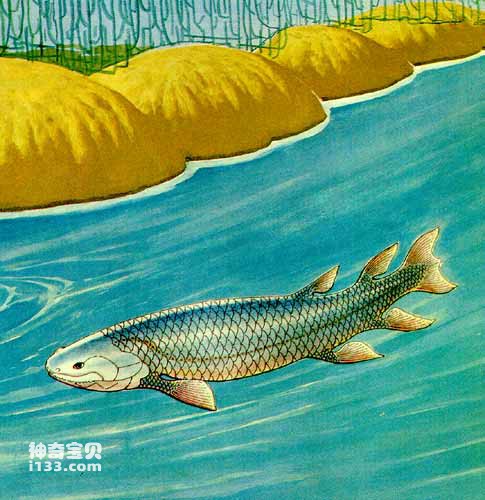
The earliest representative of lobe-finned fish is the skeletal fish of the middle Devonian period. From it, we can actu···