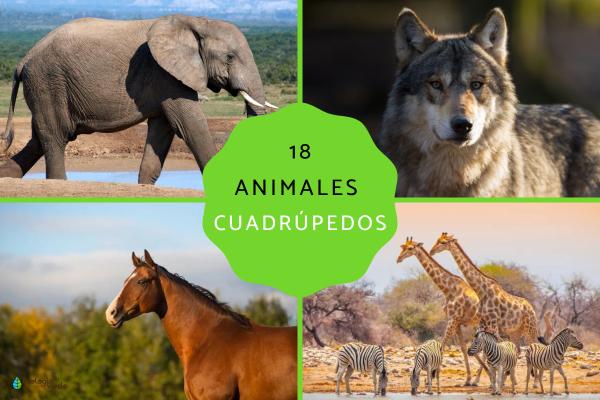
18 Quadruped Animals: Four-Legged Examples, Definition & Gaits
What are quadruped animals? See 18 four-legged examples, learn the difference between quadrupeds and tetrapods, and understand walking, trotting and galloping gaits.
Find animal profiles, comparisons, pet care guides, dinosaurs, FAQs, and tools.
What are quadruped animals? See 18 four-legged examples, learn the difference between quadrupeds and tetrapods, and understand walking, trotting and galloping gaits.
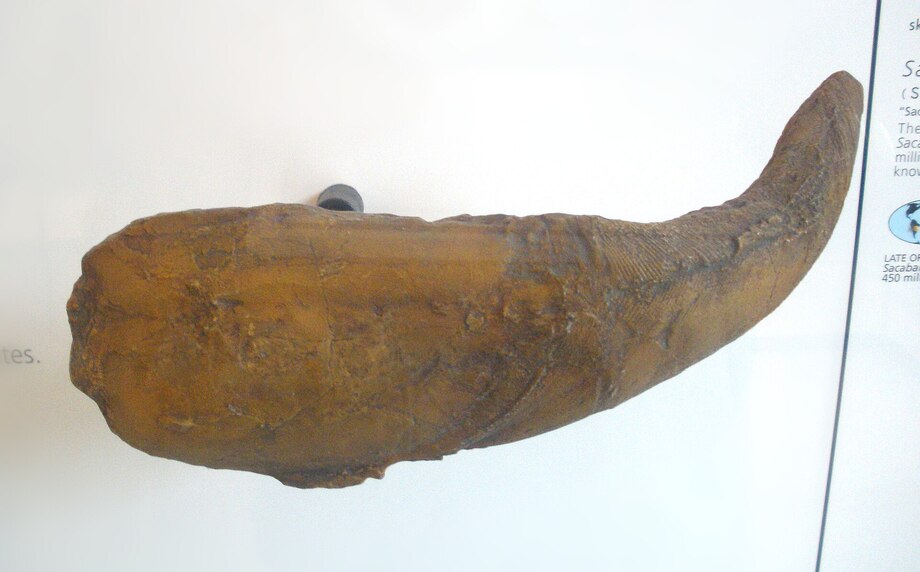
Why did Sacabambaspis go extinct? Fossils show a local mass-death event in Bolivia, but the true cause of the genus’s extinction remains uncertain.
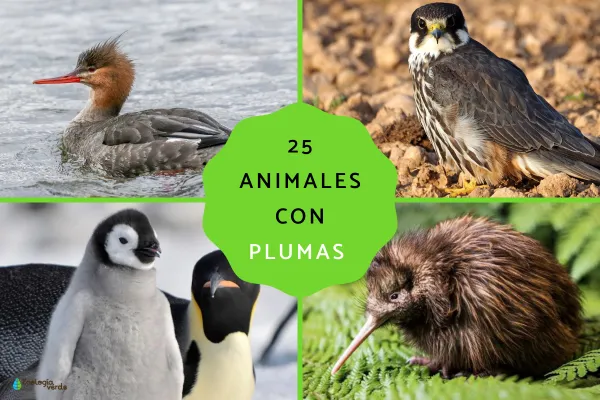
What animals have feathers? See 25 examples of flying and flightless birds, learn the main feather types, their functions, and why some feathered animals cannot fly.

Austroraptor was a large predatory dinosaur from the Late Cretaceous of South America. It belonged to the dromaeosaurids, the group often associated with the popular image of “raptors,” but it did not look exactly like the smaller and more lightly built northern forms many people know best. Austro

Argyrosaurus was a large long-necked plant-eating dinosaur from the Late Cretaceous of South America. It belonged to the titanosaurs, the group of sauropods that became especially important during the later part of dinosaur history. Although Argyrosaurus is not known from a complete skeleton, it rem

Aeolosaurus was a long-necked plant-eating dinosaur from the Late Cretaceous of South America. It belonged to the titanosaurs, the sauropod group that became especially important during the later part of dinosaur history. Although Aeolosaurus is not as famous as gigantic titanosaurs such as Argentin

Ophthalmosaurus was a fast-swimming marine reptile that lived during the Jurassic. It was not a dinosaur, even though it lived at the same time as many dinosaurs. Instead, it belonged to the ichthyosaurs, a group of highly specialized reptiles that evolved fish-like bodies for life in the sea. Ophth

Adamantisaurus was a long-necked plant-eating sauropod from the Late Cretaceous of Brazil. It belonged to the titanosaurs, the group of sauropods that became especially important during the later part of dinosaur history. Although Adamantisaurus is not known from a complete skeleton, it remains sign

Aerosteon was a large meat-eating theropod dinosaur from the Late Cretaceous of South America. It is especially important because its fossil bones preserve evidence of air-filled spaces linked to a bird-like breathing system. That makes Aerosteon one of the most scientifically interesting predatory

Amargasaurus was a long-necked plant-eating dinosaur from the Early Cretaceous of South America. It is one of the most unusual sauropods ever discovered because of the extraordinary paired spines along its neck and upper back. While many sauropods are known mainly for giant size, Amargasaurus stands

Mussaurus was an early plant-eating sauropodomorph from what is now Argentina. It became famous because the first fossils belonged to tiny hatchlings and juveniles, making scientists think of it as a very small dinosaur. Later discoveries showed that adult Mussaurus was much larger and had the long

Carnotaurus was a large meat-eating dinosaur from the Late Cretaceous of South America. It is one of the most recognizable theropods ever discovered because of the two horns above its eyes, its unusually deep skull, and its tiny forelimbs. Although it was not as massive as Tyrannosaurus, Carnotaurus

Notohypsilophodon was a small herbivorous dinosaur from the Late Cretaceous of South America. It is one of the more unusual small dinosaurs from Patagonia because South American dinosaur faunas are often remembered mainly for giant sauropods and large predators. In contrast, Notohypsilophodon repres

Noasaurus was a small carnivorous theropod dinosaur from the Late Cretaceous of South America. It is especially important because it gave its name to Noasauridae, a branch of small abelisauroid dinosaurs that were mainly part of southern ecosystems. Although it was much smaller than famous predators

Megaraptor was a large meat-eating theropod dinosaur from the Late Cretaceous of South America. It is best known for its oversized hand claws and its unusual mix of features, which have made it one of the more debated predatory dinosaurs in modern paleontology. When it was first described, some of i

Laplatasaurus was a long-necked plant-eating dinosaur from the Late Cretaceous of South America. It belonged to the titanosaurs, a major group of sauropods that became especially important during the final part of dinosaur history. Although Laplatasaurus is not as famous as giants such as Argentinos

Irritator was a spinosaurid theropod from the Early Cretaceous of Brazil. It is one of the most unusual predatory dinosaurs because its skull was long, narrow, and shaped in a way that suggests a strong link to fish-eating behavior. Unlike the deep-skulled hunters that many people picture when they

Abelisaurus was a meat-eating theropod dinosaur from the Late Cretaceous of South America. It is especially important because it gave its name to the abelisaurids, a group of predatory dinosaurs that became some of the main large hunters in the southern continents. Although Abelisaurus is not known