Anatomy
Woodlouse Spider: Identification, Bite, Size & Facts
Learn how to identify a woodlouse spider by its red body, pale abdomen and large fangs, whether its bite is dangerous, what it eats and where it lives.
Understand how animals are built, how they behave, which traits help them survive, what they symbolize in human culture, and the answers to common animal questions.
Browse by topic
Each topic is a focused content hub with practical, readable animal science and reference articles.
Body systems, organs, senses, movement, and how animal structures work.
Explore →Communication, hunting, migration, social systems, sleep, mating, and daily activity.
Explore →Special abilities, survival strategies, defenses, speed, intelligence, and physical traits.
Explore →How animals appear in stories, traditions, symbols, language, and cultural beliefs.
Explore →Clear answers to common questions about wildlife, pets, biology, and animal facts.
Explore →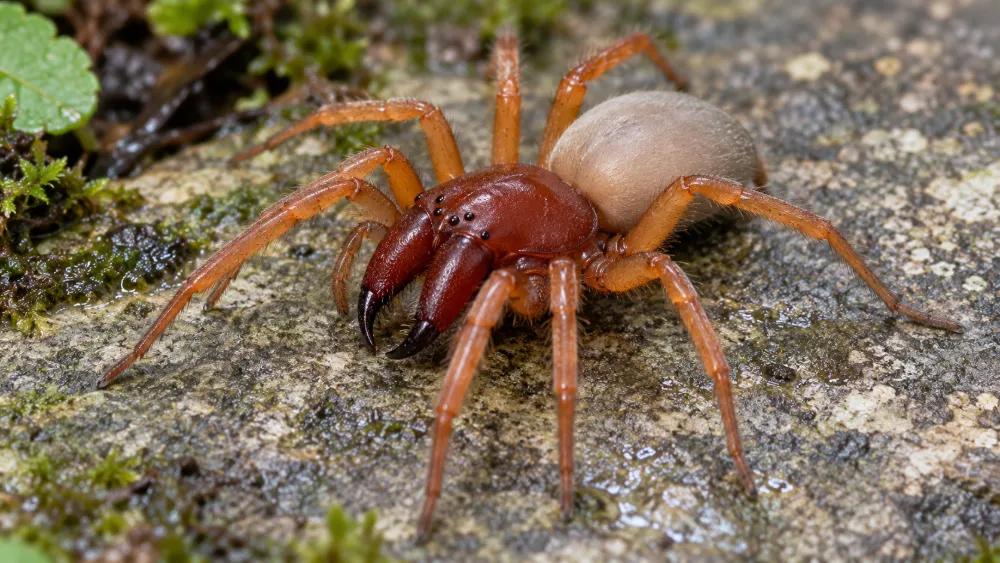
Learn how to identify a woodlouse spider by its red body, pale abdomen and large fangs, whether its bite is dangerous, what it eats and where it lives.
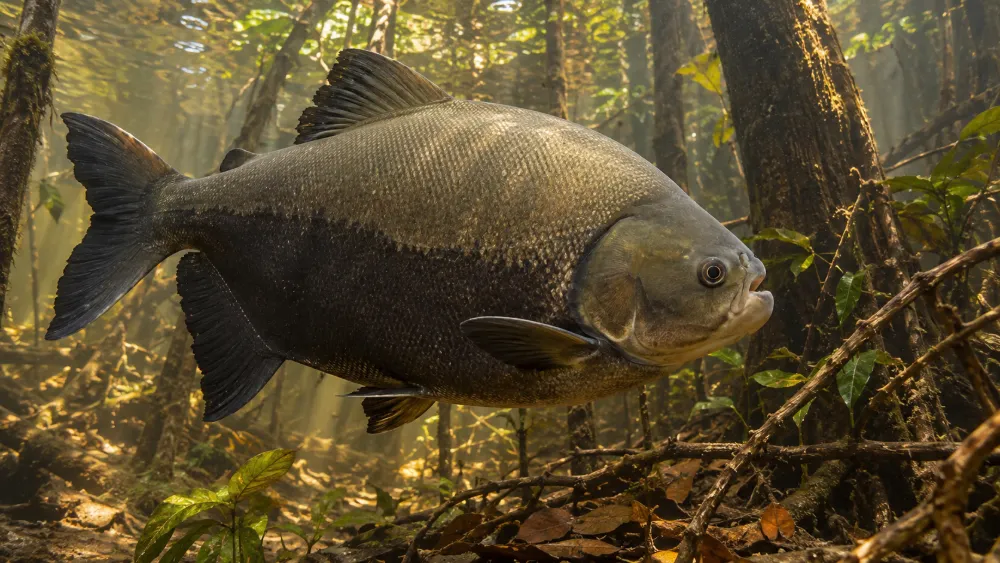
Discover pacu fish facts, including their unusual teeth, huge adult size, fruit-rich diet, Amazon habitat, piranha relationship and aquarium problems.
What animal does not poop or pee? No animal is waste-free, but jellyfish and sponges lack mammal-like digestive or urinary systems. Learn how animals remove waste.
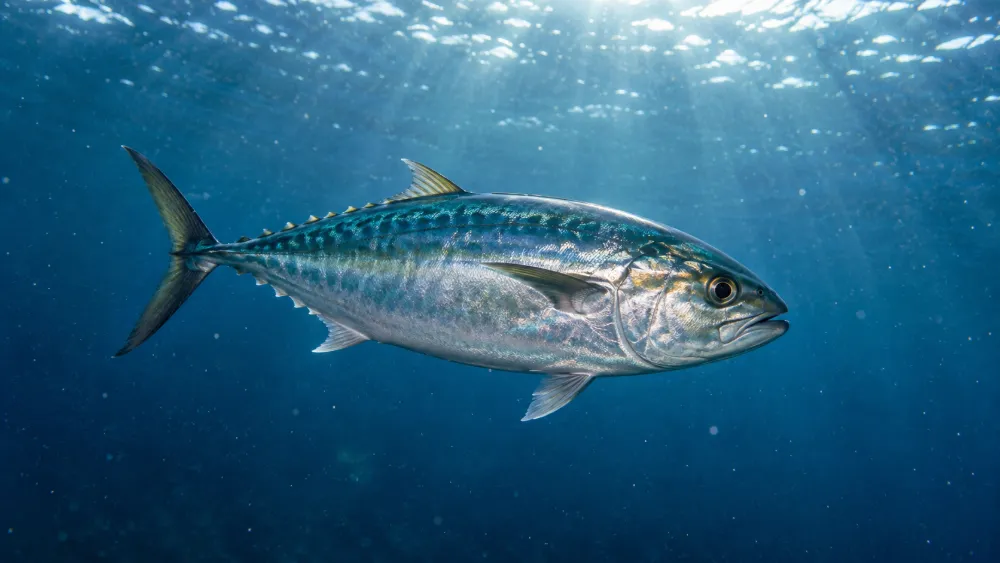
Do fish get thirsty underwater? Learn why saltwater fish drink seawater, why freshwater fish usually don't, and how fish control water and salt balance.
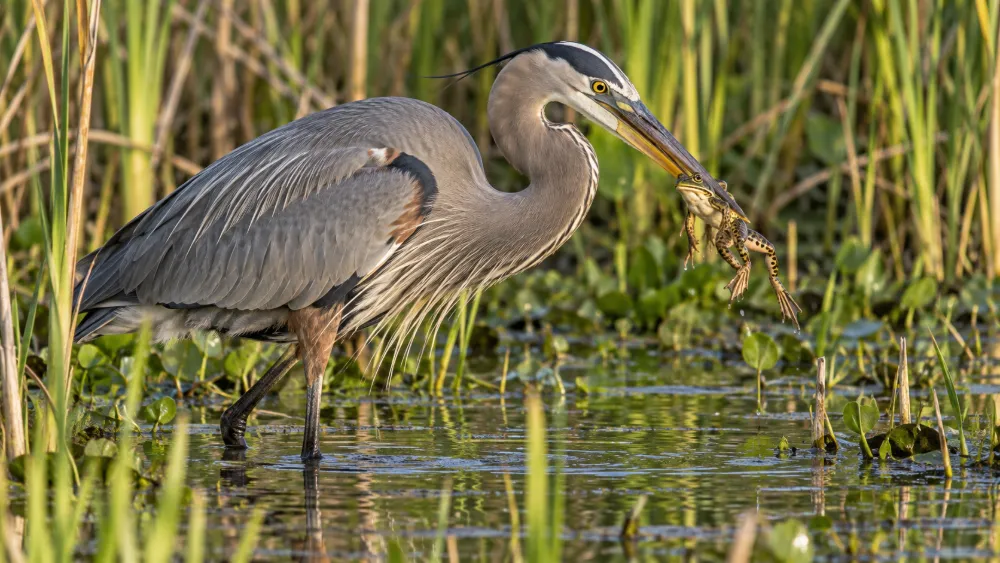
Frogs are eaten by snakes, birds, fish, turtles, mammals, larger frogs and aquatic insects. Learn what eats adult frogs, tadpoles and frog eggs.
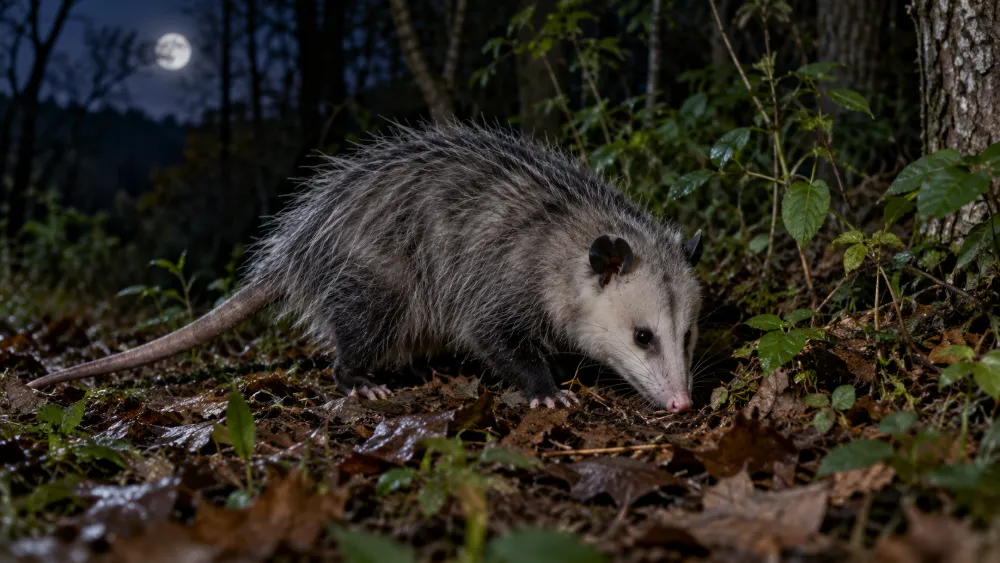
Opossums eat insects, fruit, worms, small animals, eggs and carrion. Learn what wild opossums eat, whether they eat ticks, snakes, chickens and pet food.
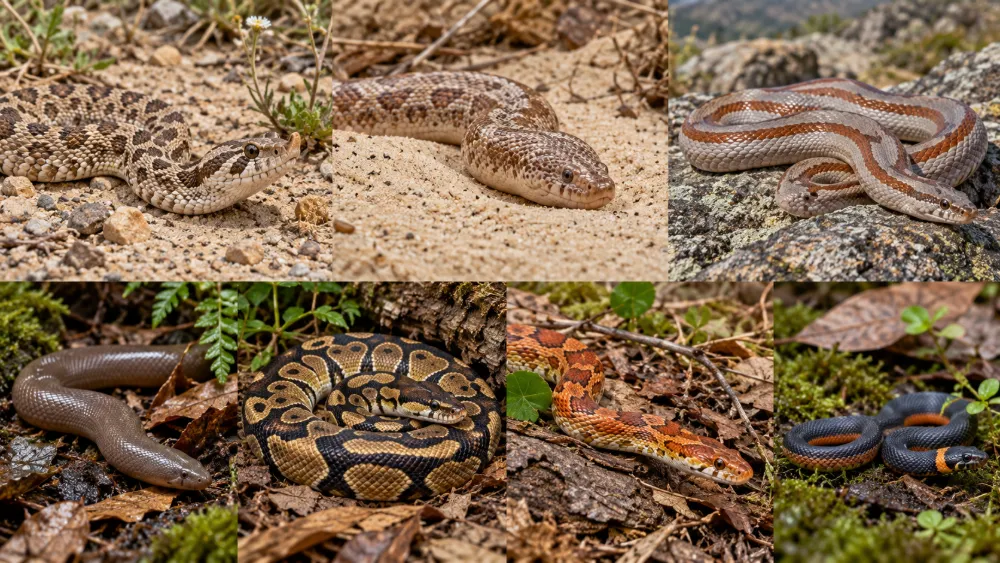
Discover 10 cute snakes, from hognose snakes and sand boas to rubber boas, rosy boas and colorful corn snakes, plus what makes each species look unique.
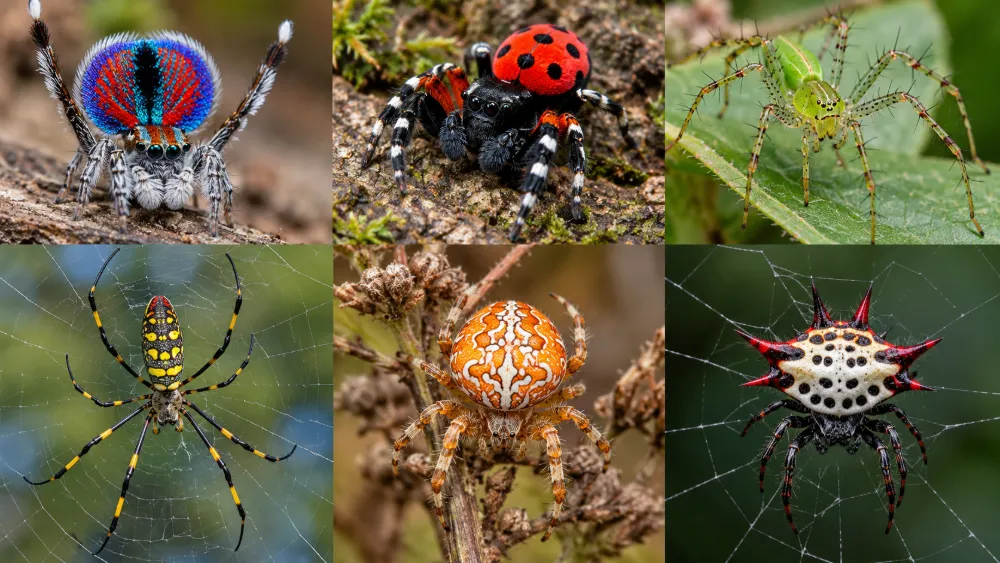
Discover 10 colorful spiders, from rainbow peacock spiders and red ladybird spiders to green lynx spiders, Jorō spiders and bright orbweavers.
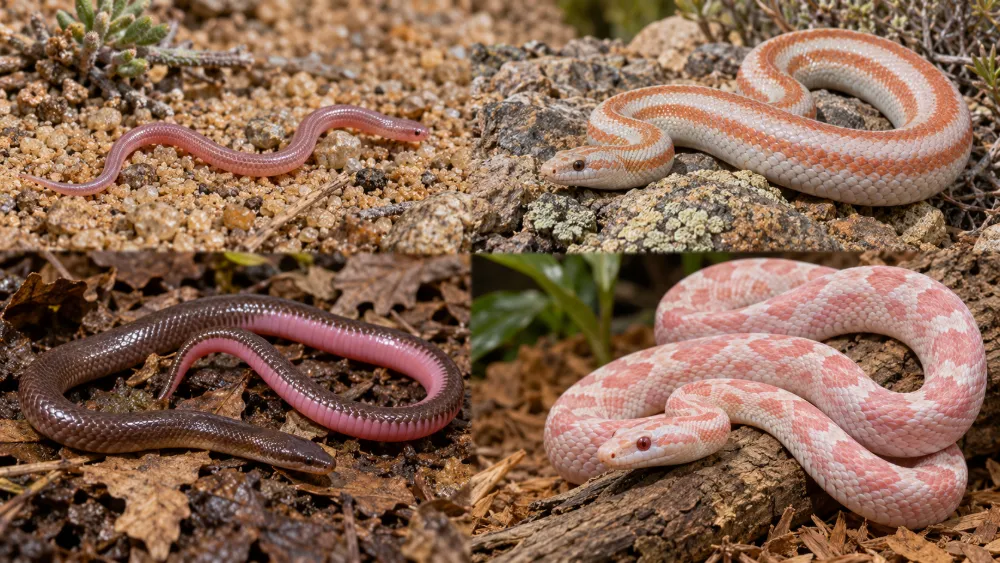
Discover real pink snakes, from rosy boas and western threadsnakes to pink-bellied worm snakes and captive snow corn snake morphs, with identification tips.
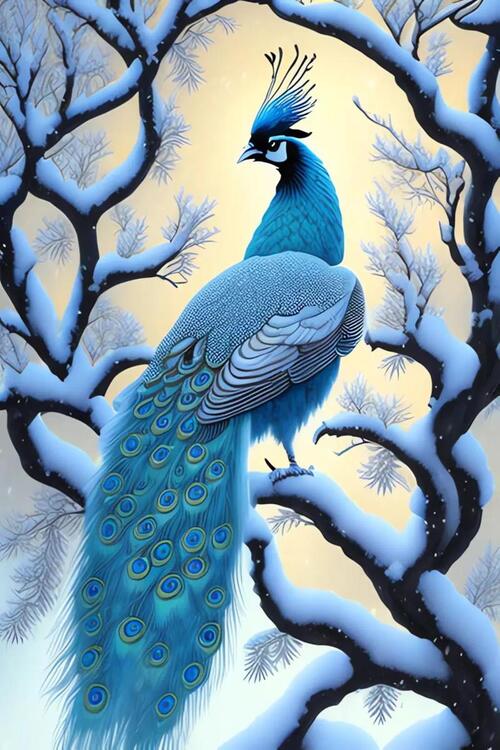
What animal symbolizes beauty? Explore peacocks, butterflies, swans, koi and other animals associated with beauty, grace and transformation across cultures.
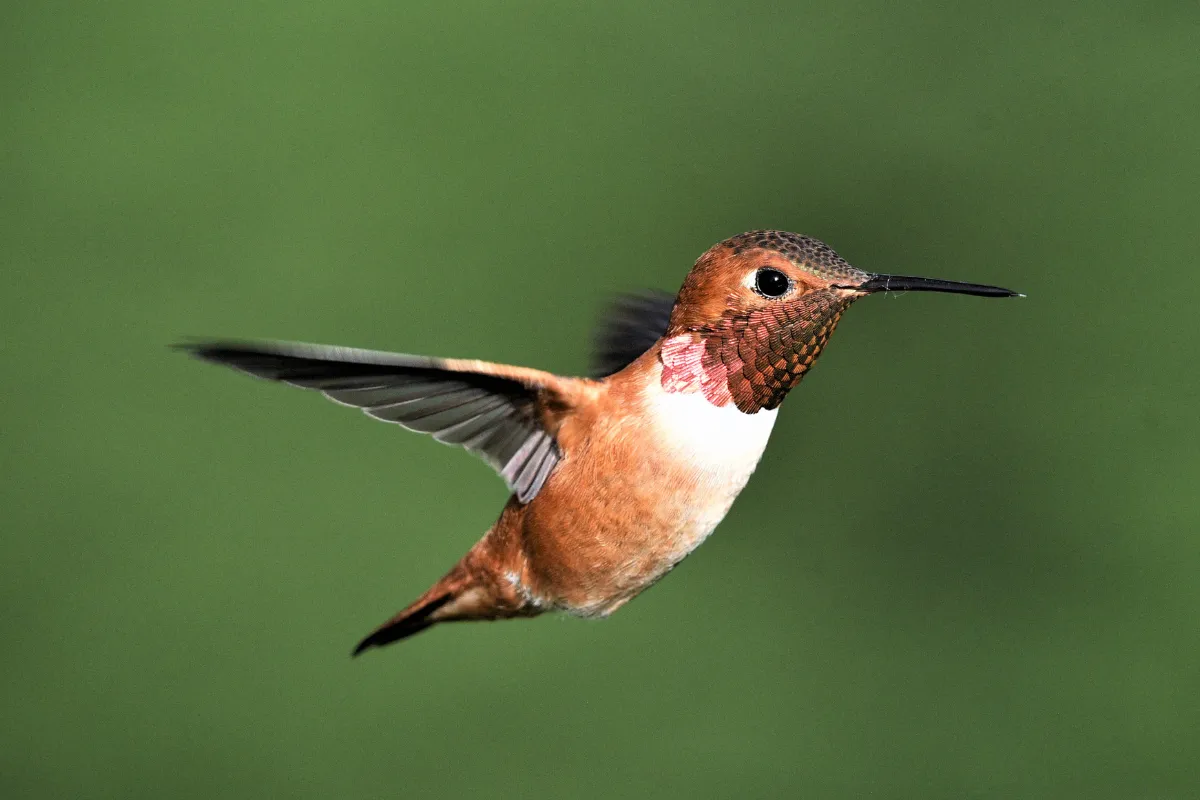
Not all hummingbirds are endangered, but several rare and highly specialized species are at serious risk of disappearing. Many endangered hummingbirds are threatened by habitat los···
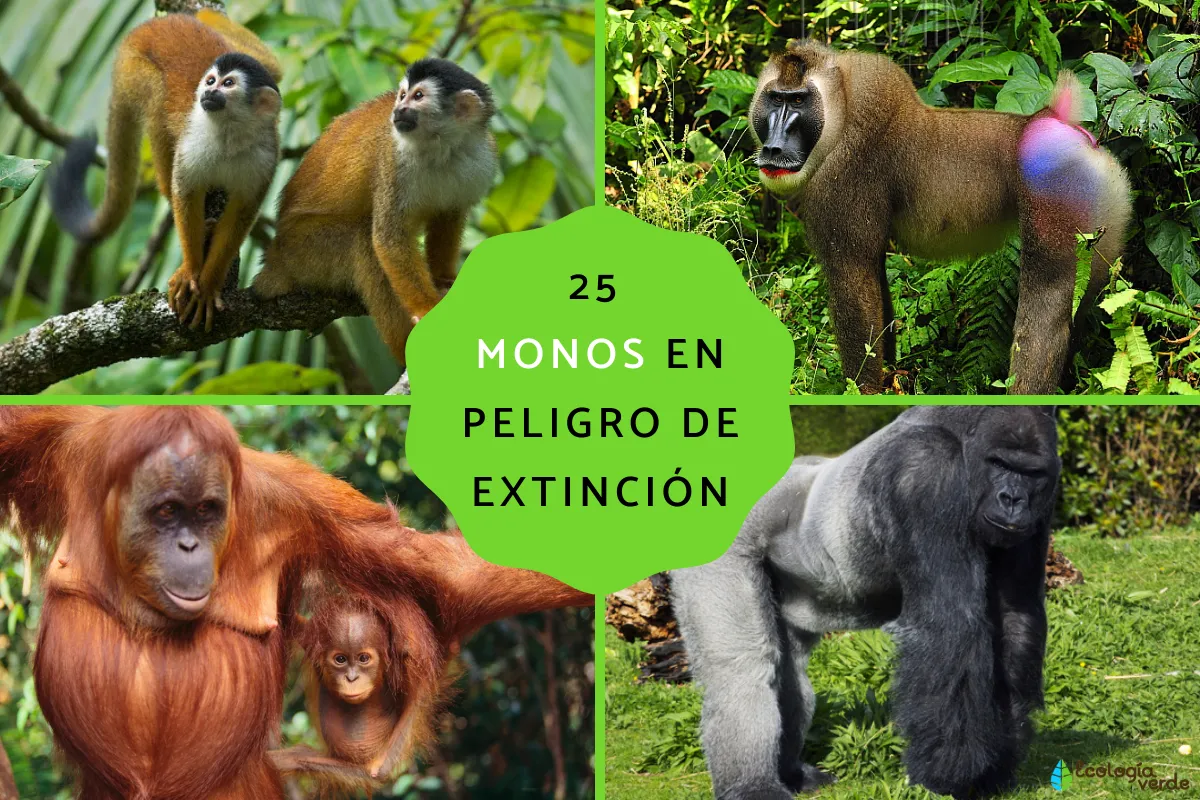
Many monkeys and other primates are endangered because their forests are being destroyed, hunted, fragmented, or converted into farms, roads, mines, and plantations. Although peopl···
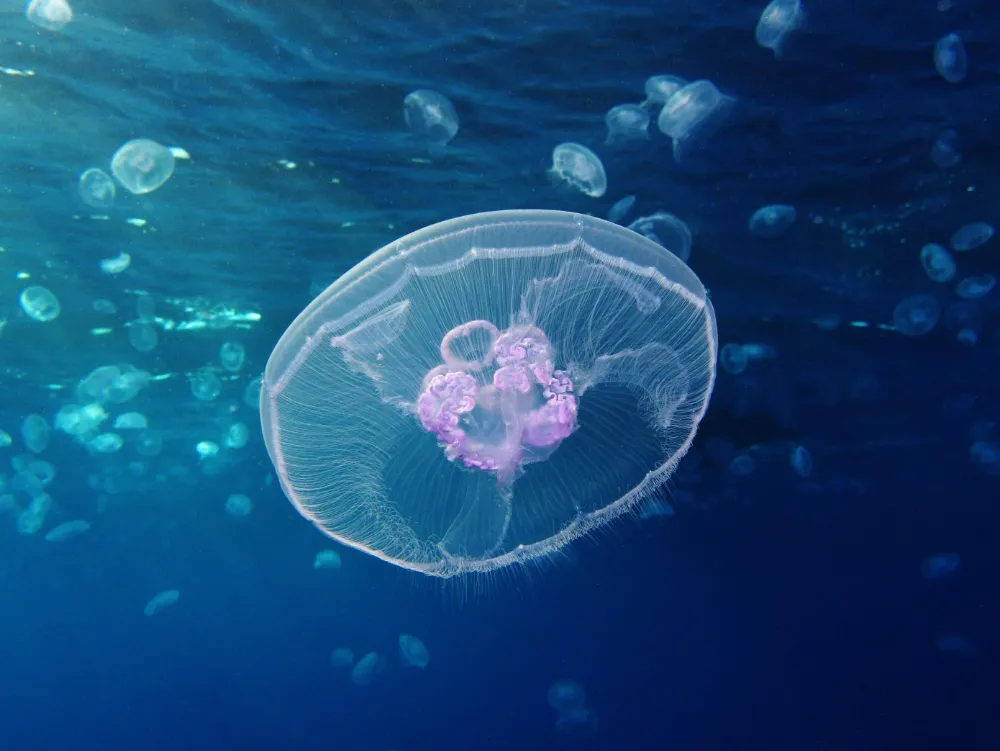
No, jellyfish do not have brains, but they do have nervous systems. Instead of a centralized brain like those found in humans, fish, and many other animals, jellyfish possess netwo···
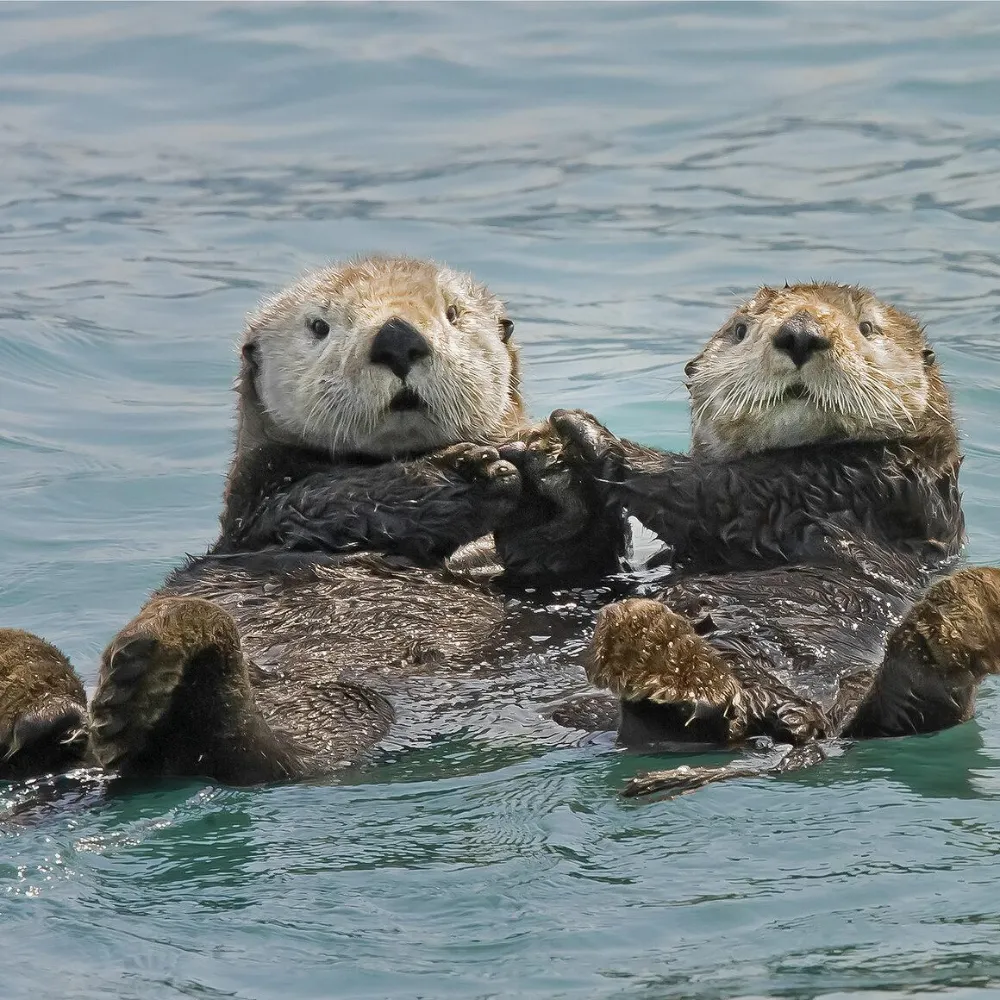
Sea otters sometimes hold hands, or more accurately paws, while resting on the ocean surface to help prevent themselves from drifting apart. However, this behavior is much less com···
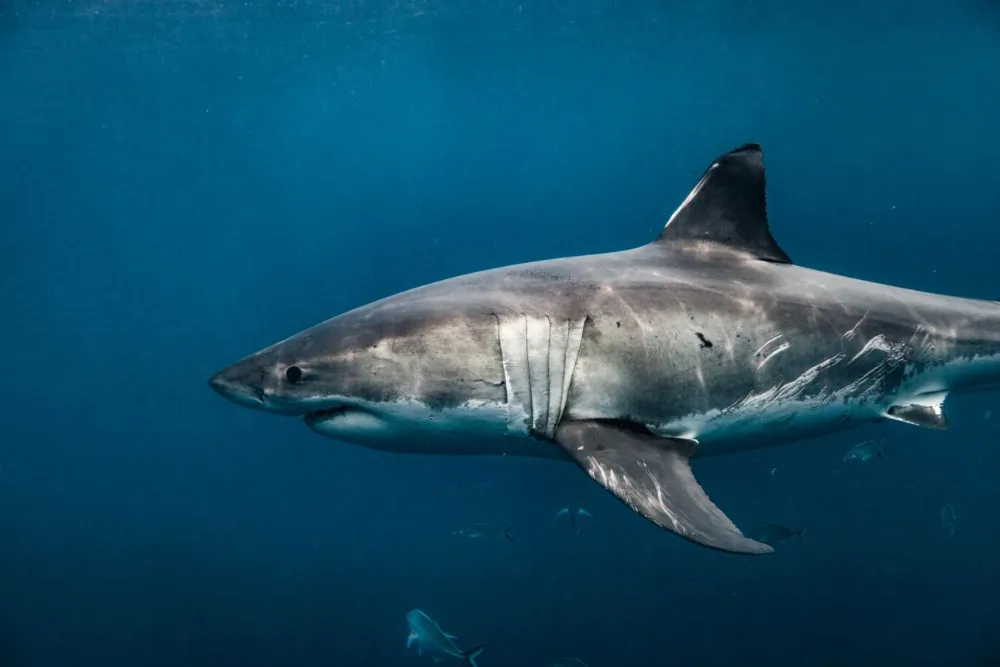
Do sharks have bones? Learn why shark skeletons are made of cartilage, whether sharks have backbones and ribs, and how shark fossils form.
Keep exploring