ANIMAL COMPARISON
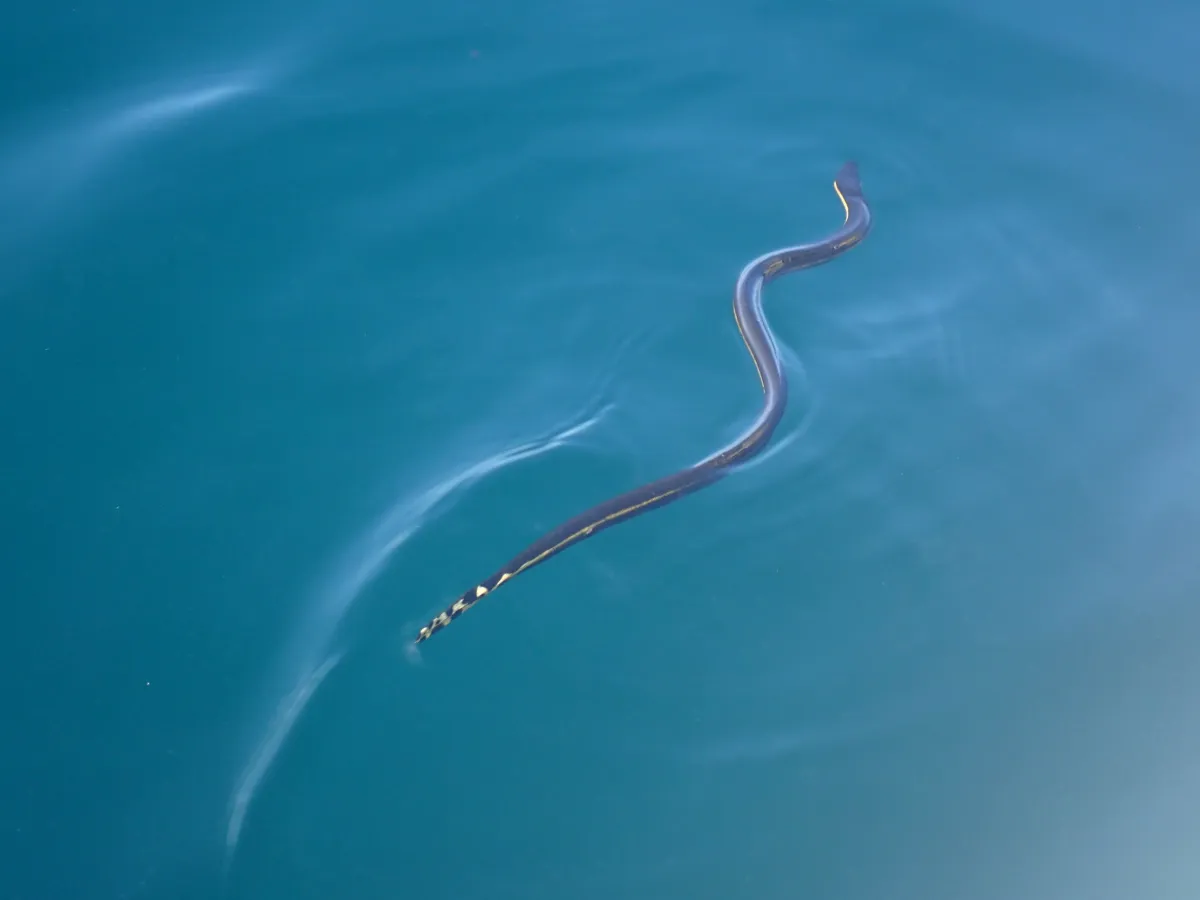
Sea Snake vs Eel: 6 Key Differences
Learn six reliable differences between sea snakes and eels, including tails, fins, gills, scales and breathing, with real photos and safety tips.
Compare the animals →Compare animals that look alike, discover the clues that set them apart, and explore how anatomy, behavior and habitat explain the differences.
Begin with three real, published comparisons. Every guide focuses on observable differences, not an invented score.
Explore connected content from the same animal knowledge library.
The latest comparison articles from Animals Top. Use the page links below to explore the full archive.
Learn six reliable differences between sea snakes and eels, including tails, fins, gills, scales and breathing, with real photos and safety tips.
Compare the animals →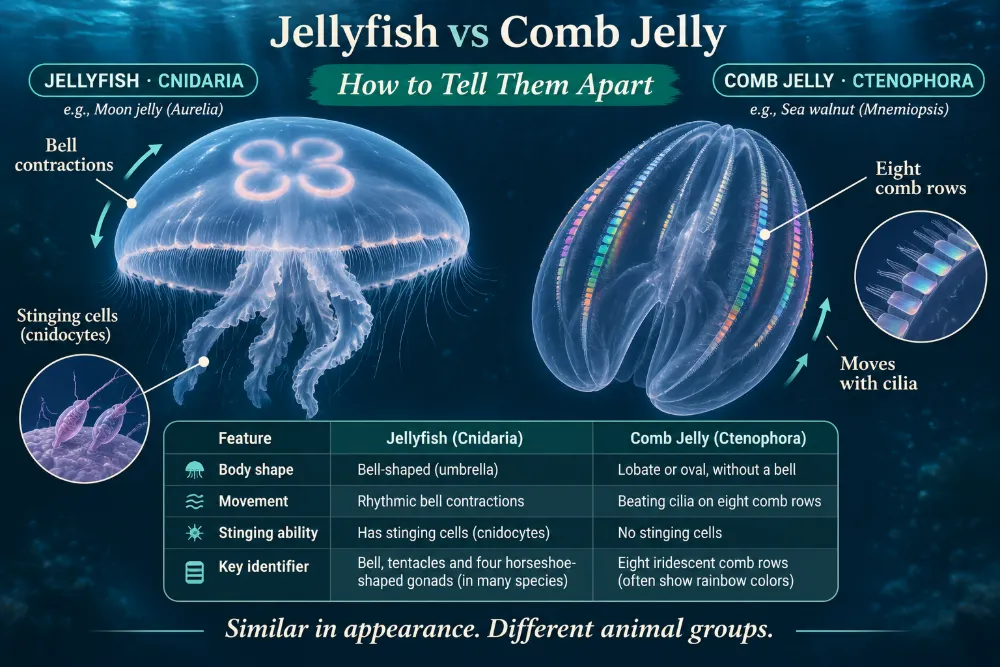
Is it a jellyfish or a comb jelly? Learn 5 visual clues, including bell movement, rainbow comb rows, tentacles and stinging cells, with photos.
Compare the animals →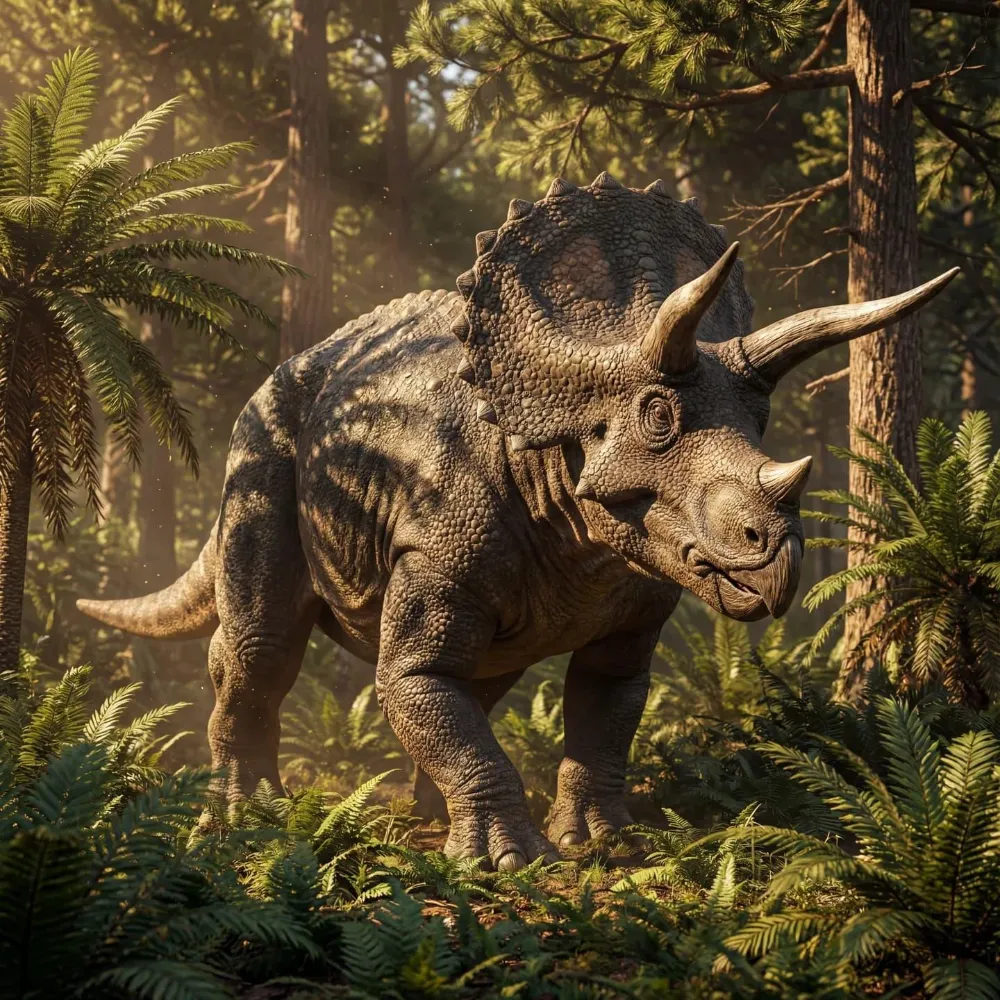
Are dinosaurs reptiles? Learn how dinosaur hips, legs and ancestry set them apart, why pterosaurs aren't dinosaurs, and which dinosaurs survive today.
Compare the animals →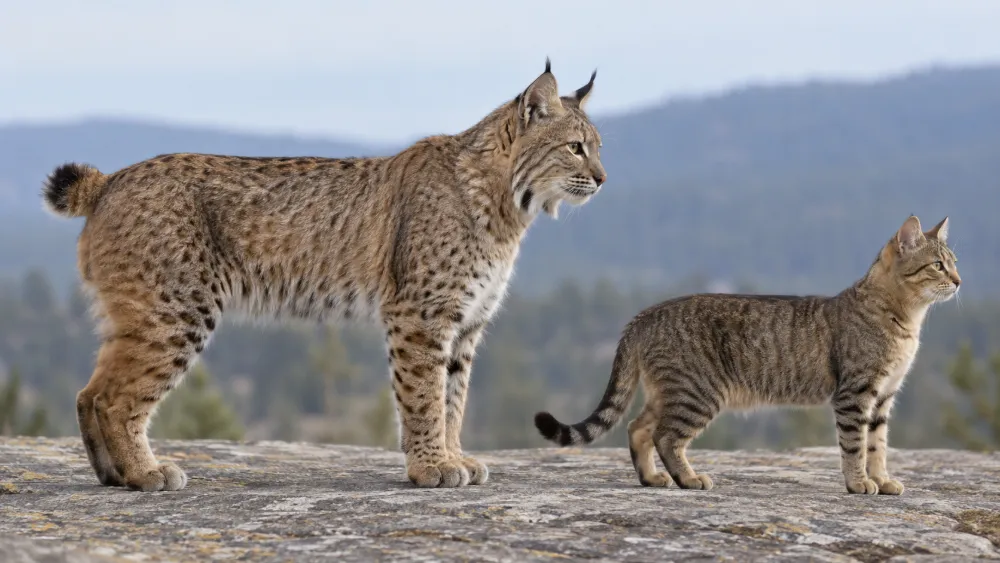
How big is a bobcat compared with a house cat? Compare weight, height, body shape, paws, tails and other easy ways to tell them apart.
Compare the animals →
Are dolphins smarter than orcas? Bottlenose dolphins lead in controlled cognition tests, while orcas excel in culture and social traditions. Compare the evidence.
Compare the animals →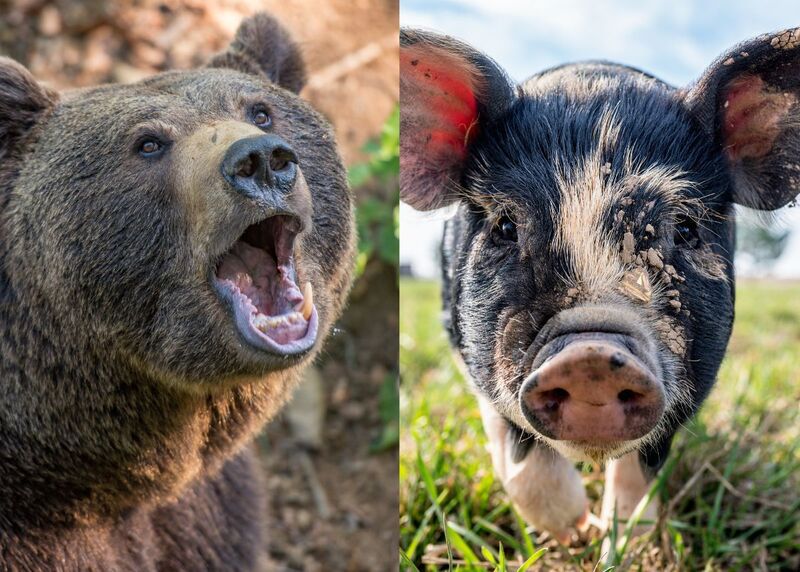
Are bears related to pigs? Only distantly. See how bears and pigs differ in taxonomy, evolutionary history, anatomy, diet, and their closest living relatives.
Compare the animals →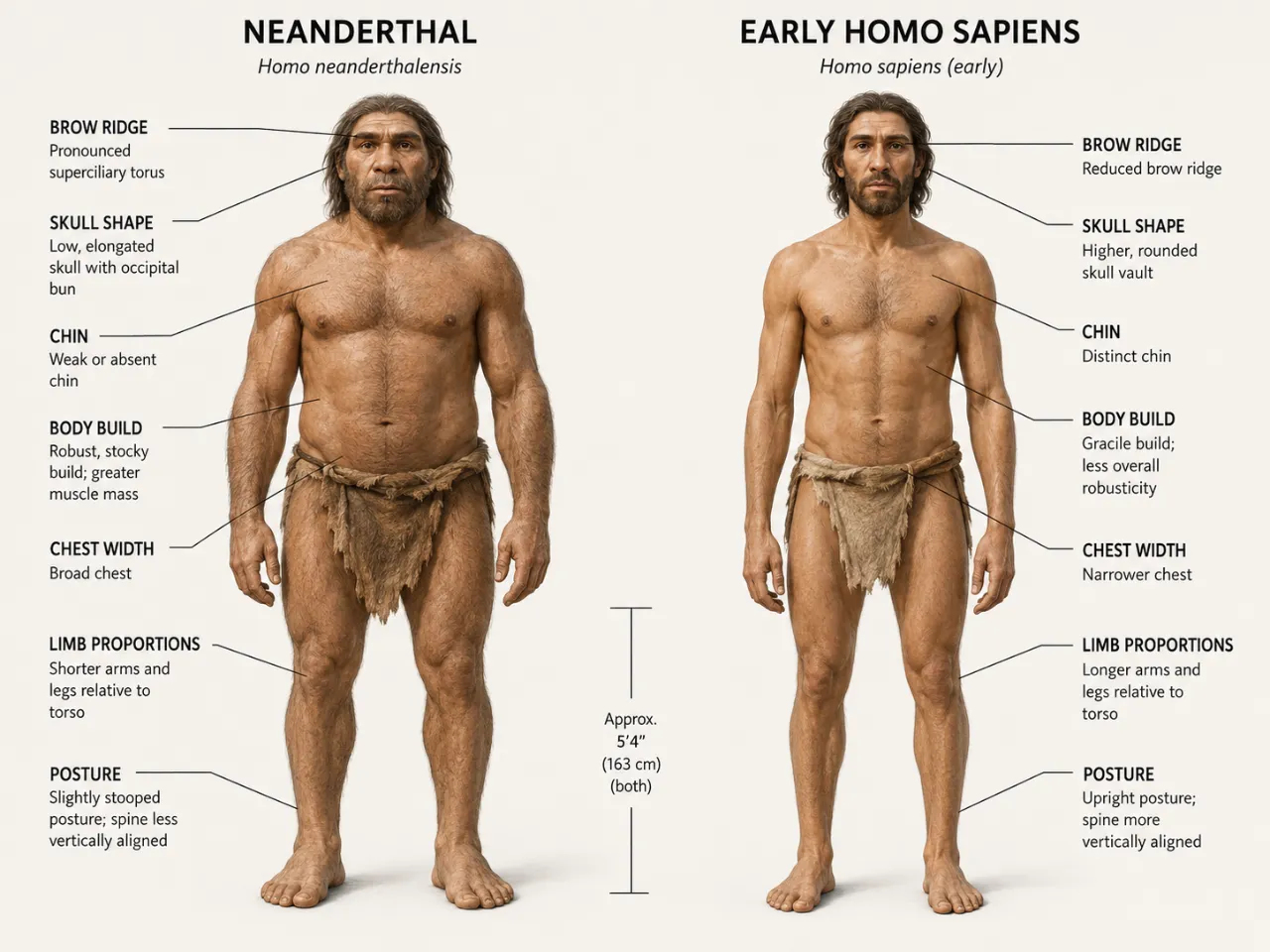
Quick answerNeanderthals and Homo sapiens were close relatives in the human evolutionary tree. Neanderthals, often written as Homo neanderthalensis, lived mainly in Europe and western Asia before disappearing around 40,0···
Compare the animals →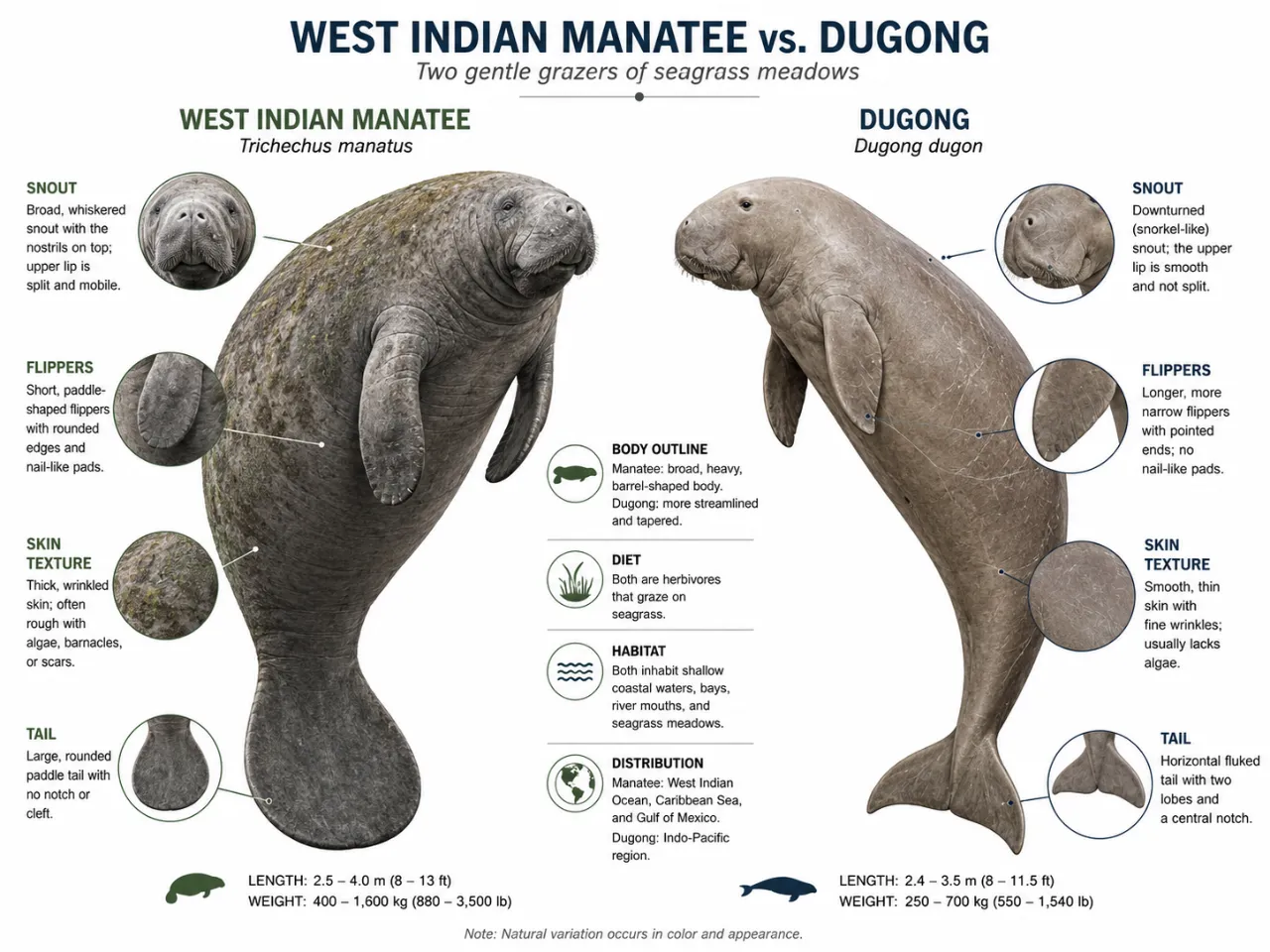
Quick answerManatees and dugongs are both slow-moving, plant-eating aquatic mammals in the order Sirenia. They are related, but they belong to different families and have several clear differences. Manatees are in the fa···
Compare the animals →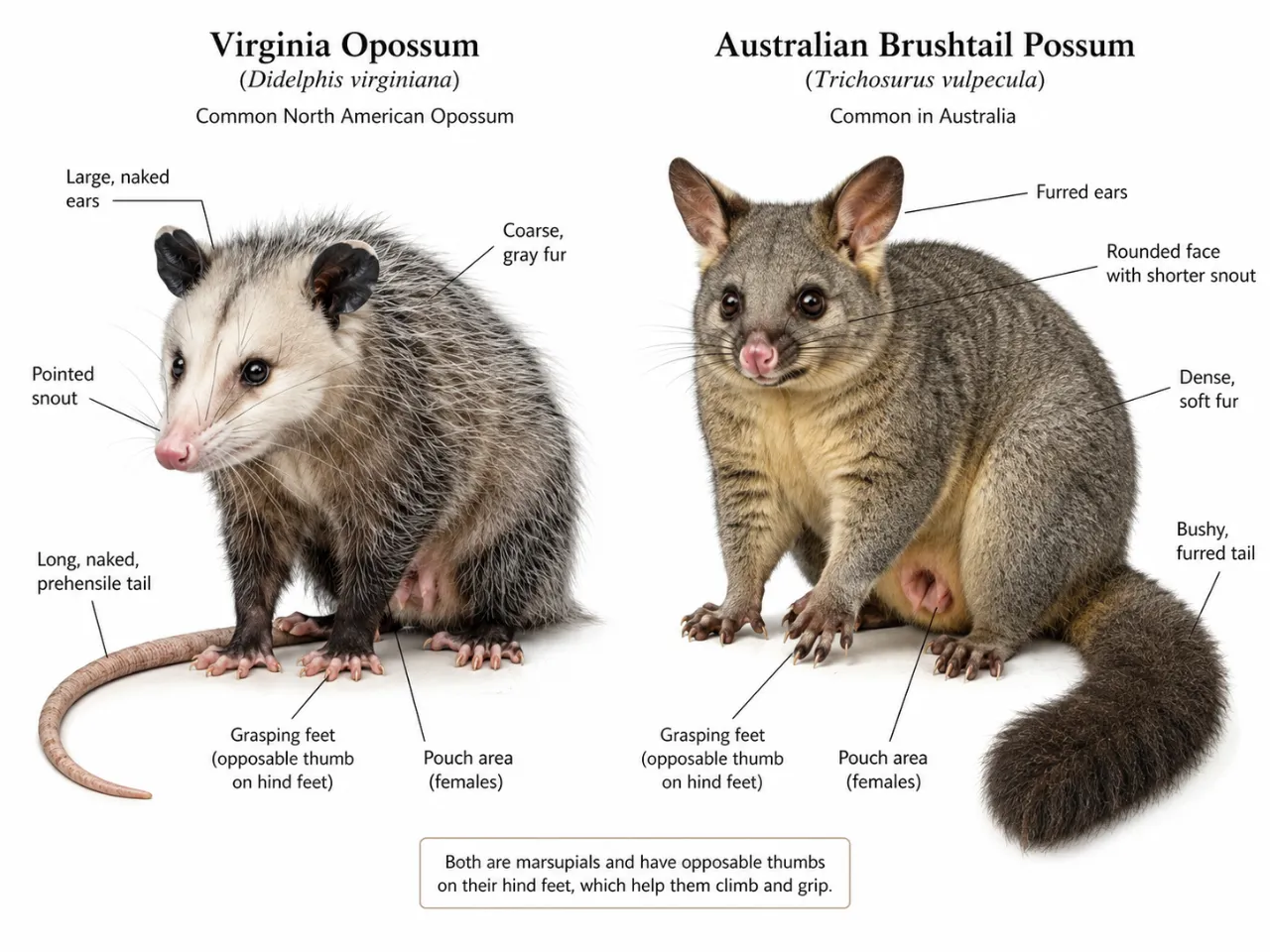
Quick answerIn scientific usage, an opossum is a marsupial from the Americas, while a possum is a marsupial from Australia, New Guinea, and nearby regions. They are related in the broad sense that both are marsupials, bu···
Compare the animals →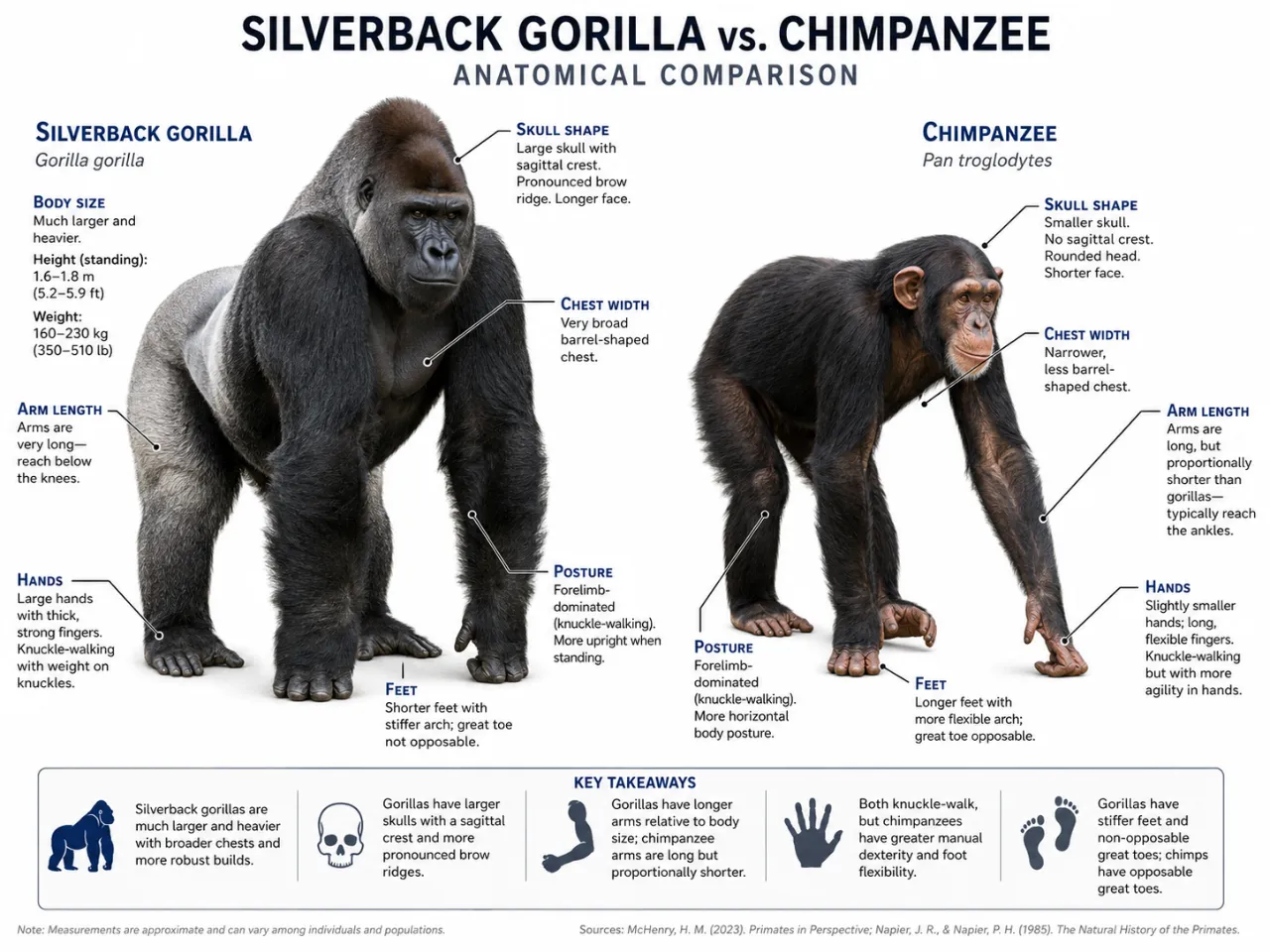
Quick answerGorillas and chimpanzees are both great apes, but they differ strongly in body size, diet, movement, social life, and behavior. Gorillas are the largest living primates. Adult males can be extremely powerful,···
Compare the animals →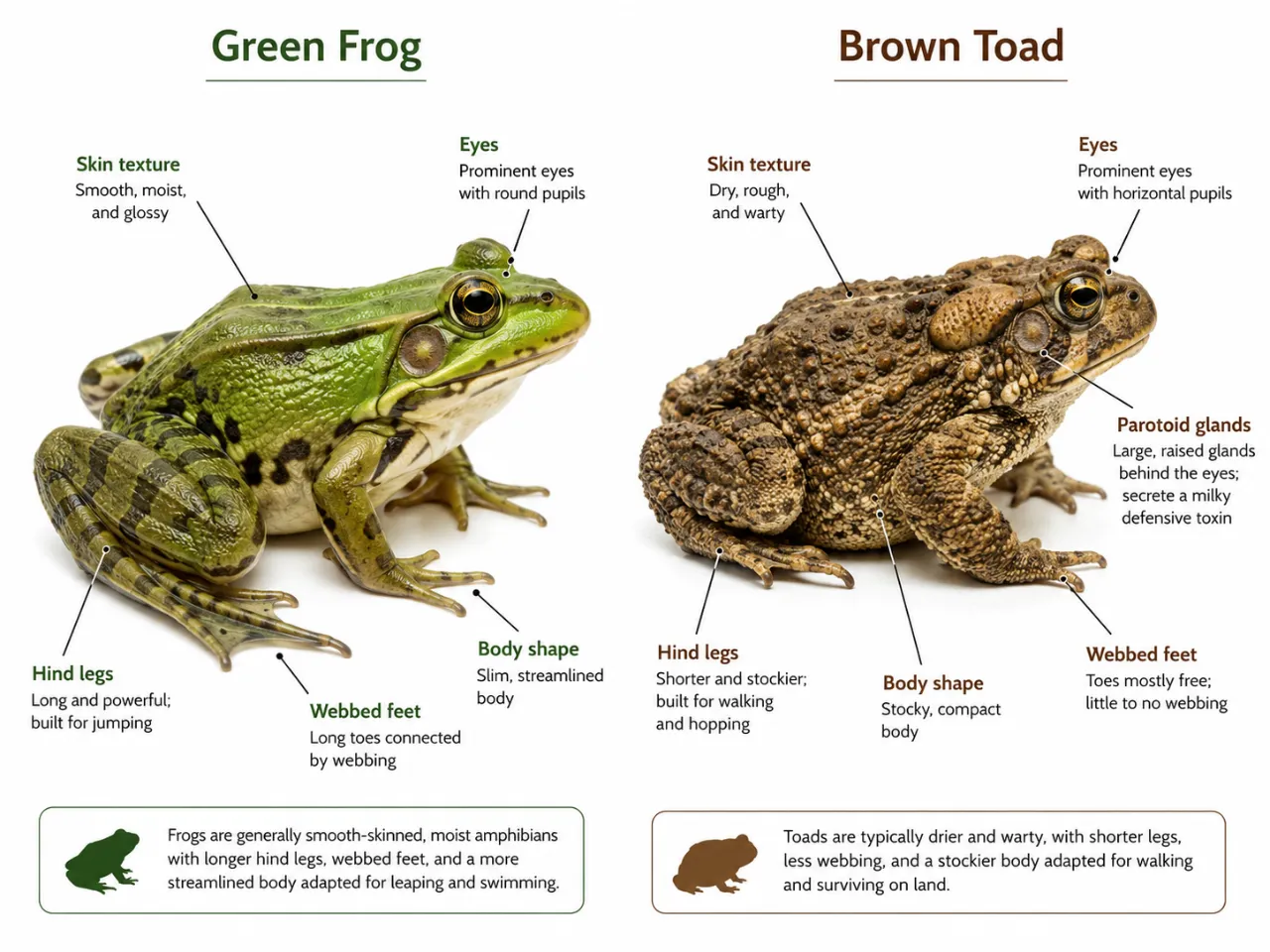
Quick answerFrogs and toads are both amphibians in the order Anura, the group of tailless amphibians. In everyday language, “frog” usually describes a smooth-skinned, long-legged amphibian that jumps well and often liv···
Compare the animals →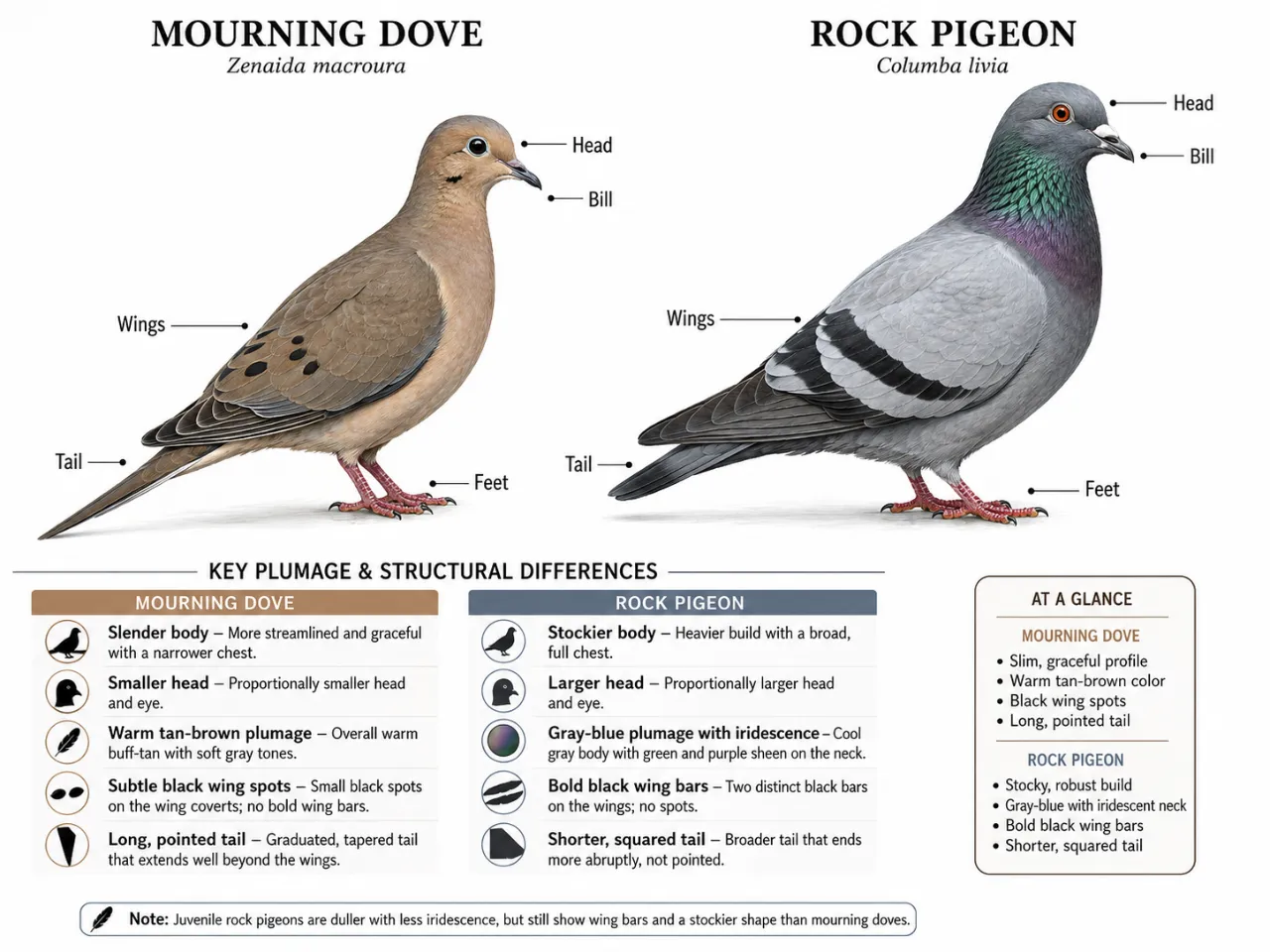
Quick answerDoves and pigeons are closely related birds in the family Columbidae. In everyday English, “dove” often suggests a smaller, gentler-looking bird, while “pigeon” usually refers to a larger, heavier-bodied ···
Compare the animals →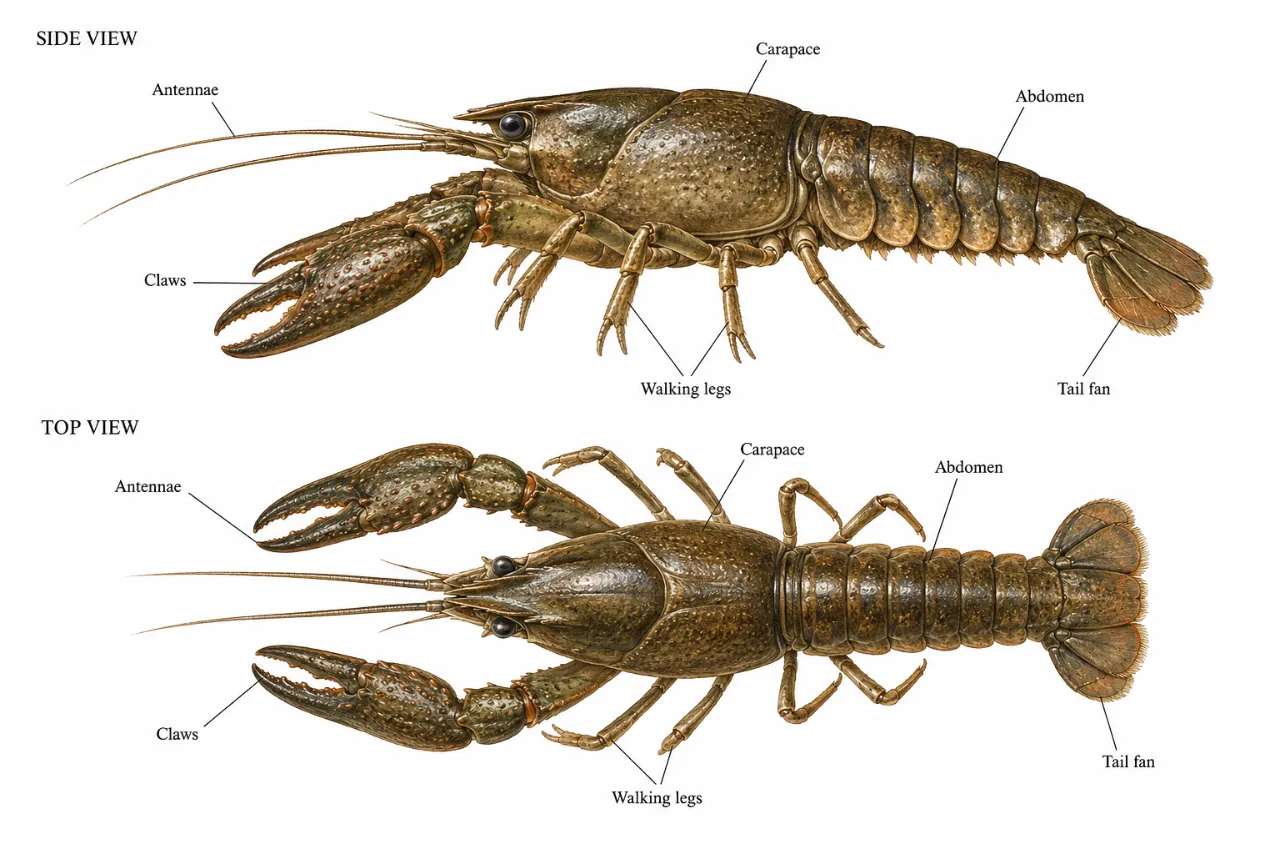
Quick answerCrayfish and crawfish are generally the same animal. Both names refer to freshwater crustaceans in the order Decapoda, most often belonging to groups such as Astacidae, Cambaridae, or Parastacidae. These anim···
Compare the animals →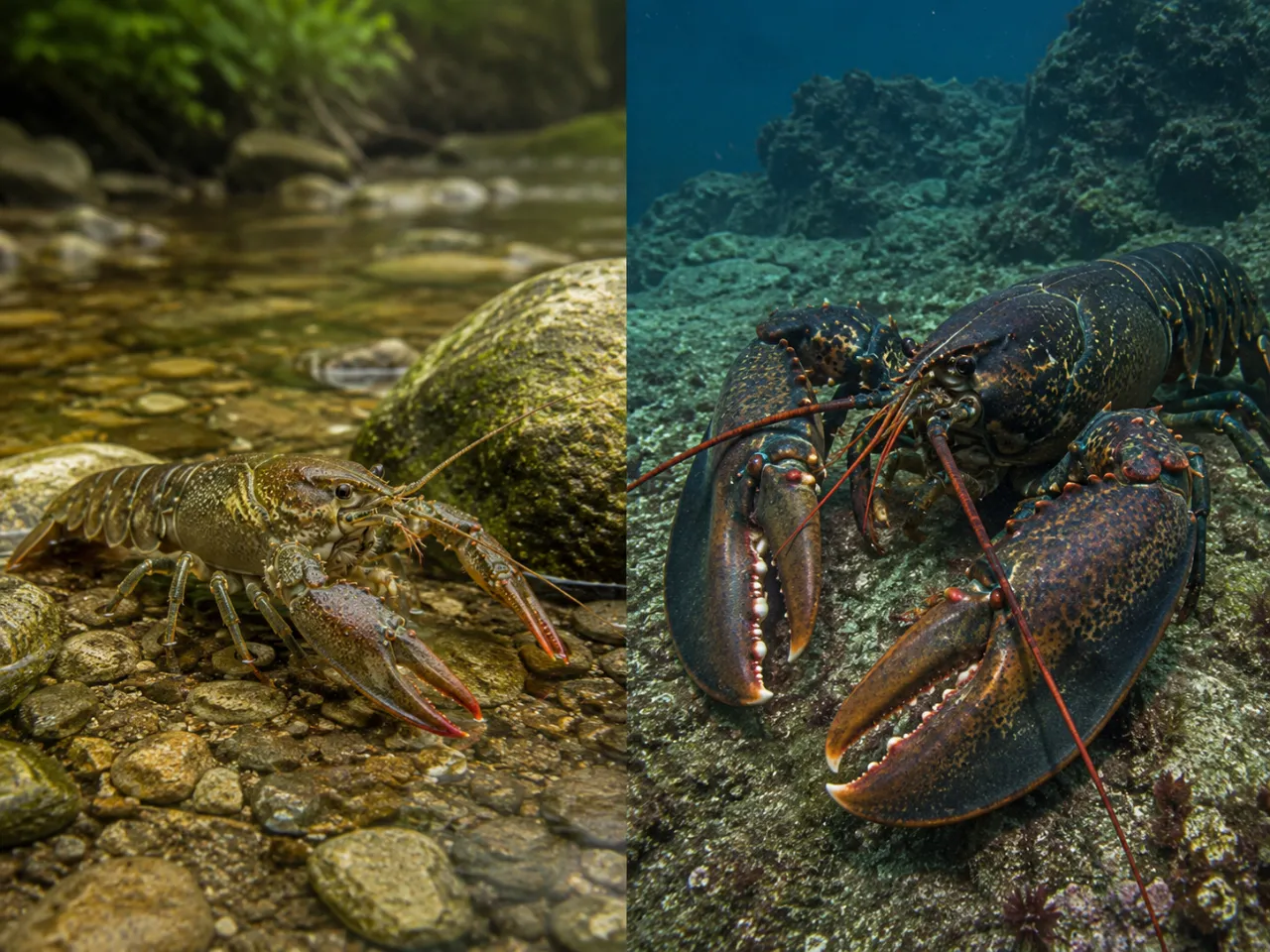
Crayfish and lobsters are both clawed decapod crustaceans, but they are not the same animal. Crayfish are usually small freshwater crustaceans found in rivers, streams, lakes, swamps, and burrows. Lobsters are usually la···
Compare the animals →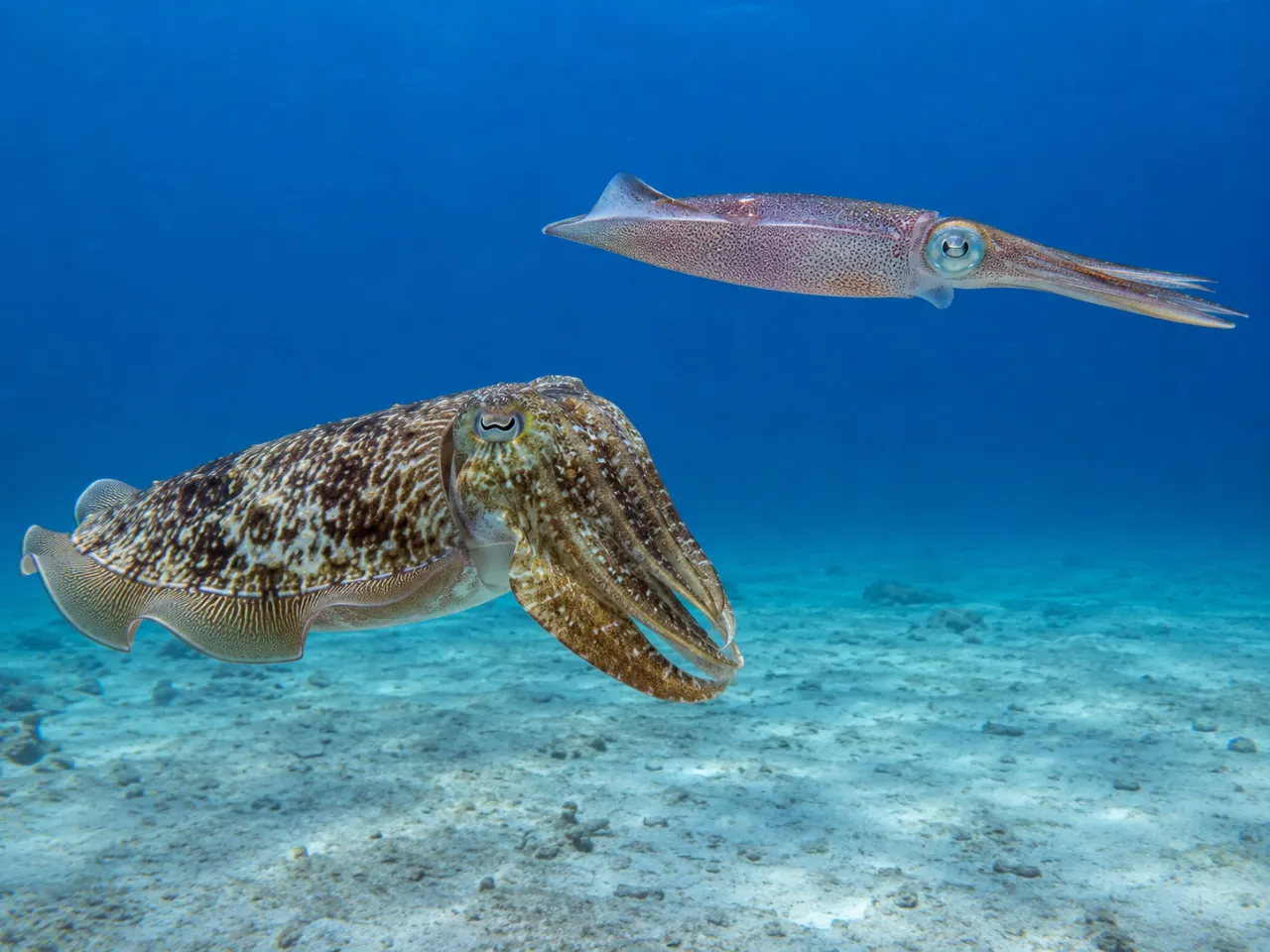
Cuttlefish and squid are both cephalopods, but they are not the same animal. A cuttlefish usually has a broad, oval body, a wavy fin around the mantle, and a chalky internal cuttlebone for buoyancy. A squid usually has a···
Compare the animals →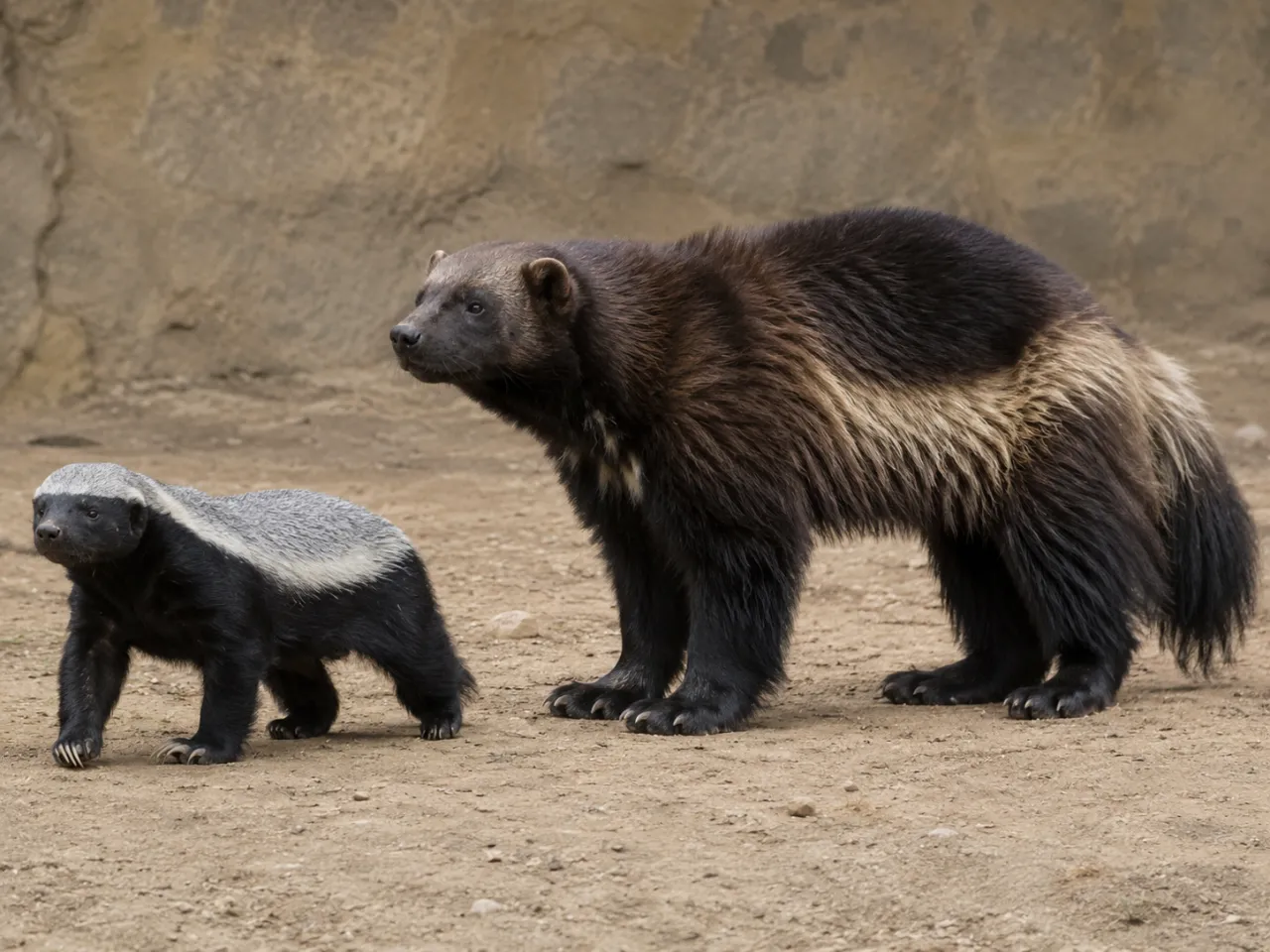
Honey badgers and wolverines are both tough, fearless mammals in the mustelid family, but they are not the same animal. The honey badger is a smaller, heat-adapted African and Asian predator famous for loose skin, snake-···
Compare the animals →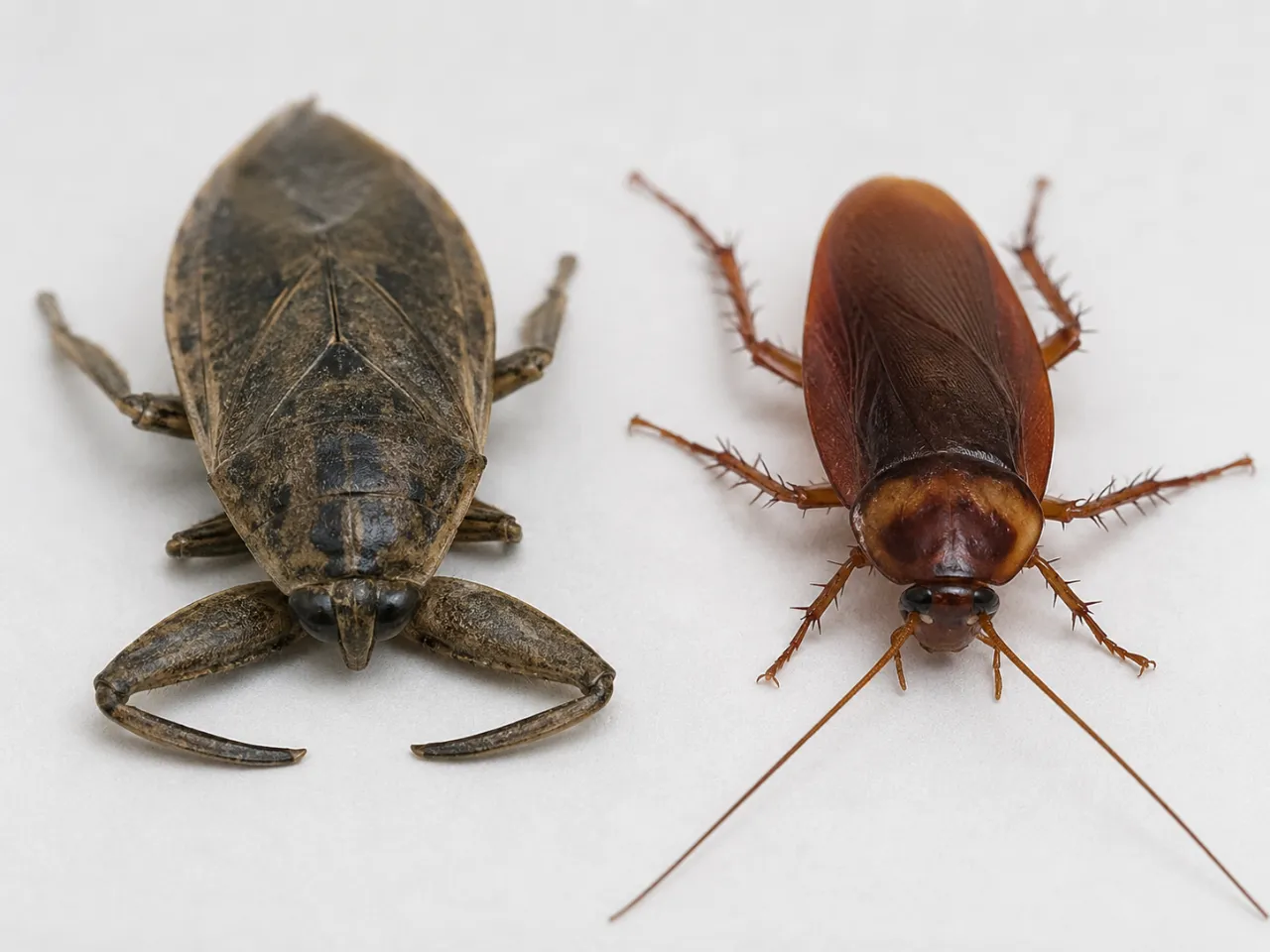
Water bugs and roaches are often confused, but they are not the same insect. A true water bug is an aquatic insect that lives in ponds, lakes, wetlands, pools, or slow-moving water. A roach is a cockroach, usually a land···
Compare the animals →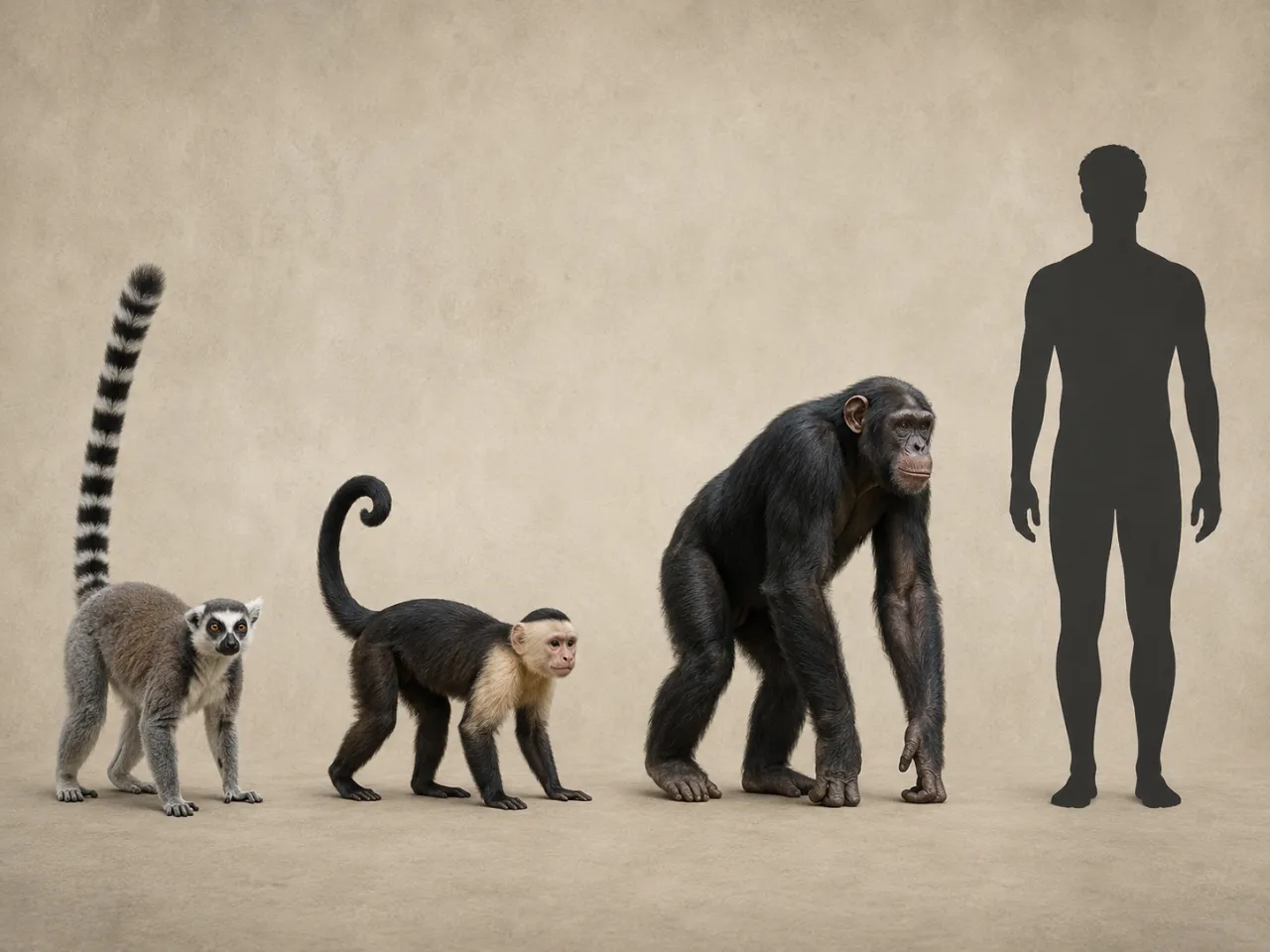
A primate is the broadest category. It includes lemurs, lorises, tarsiers, monkeys, apes, and humans. An ape is a tailless primate with a large brain, flexible shoulders, and close evolutionary ties to humans. A monkey i···
Compare the animals →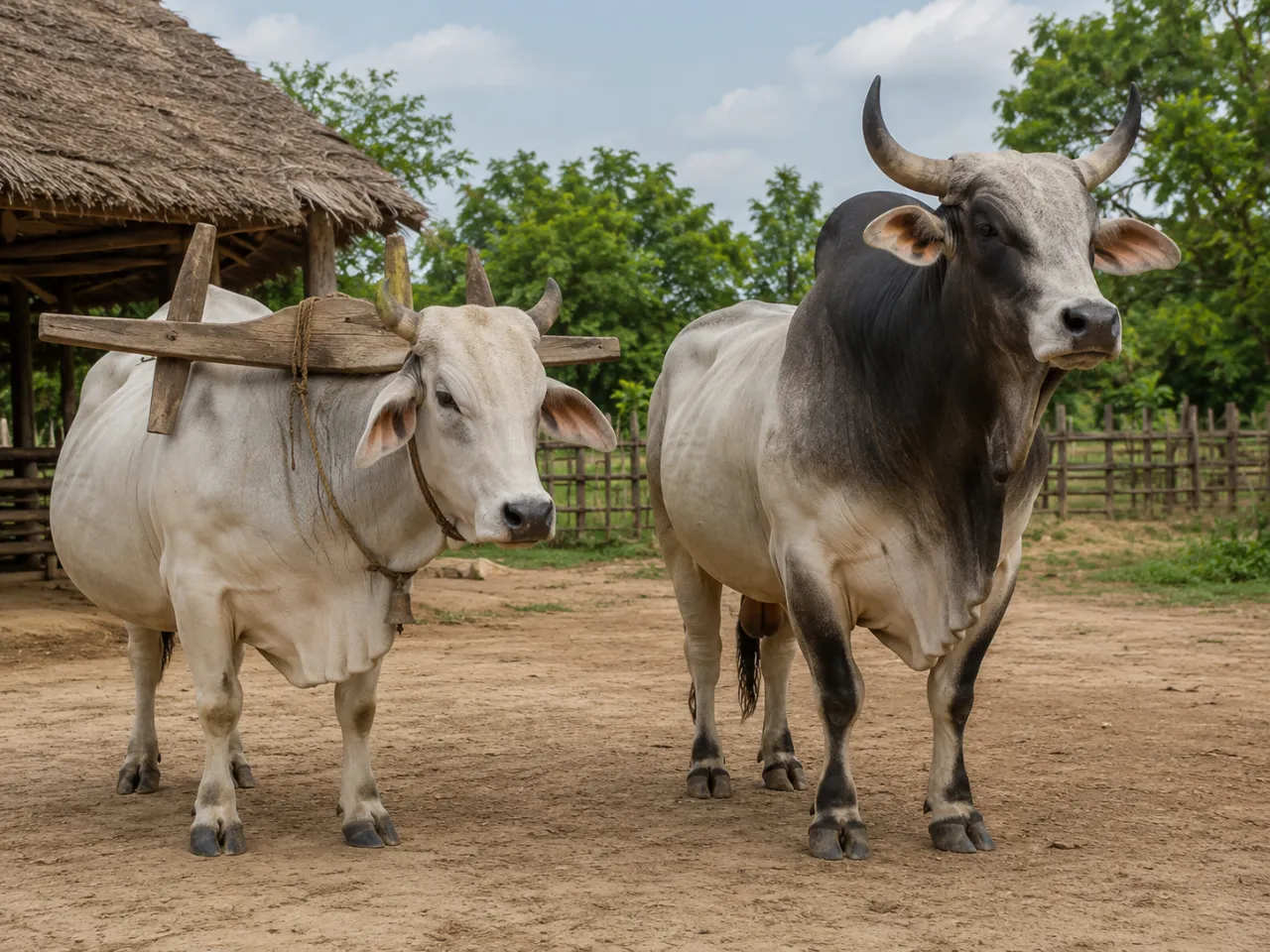
An ox and a bull are both cattle, but they mean different things. A bull is an intact adult male bovine used mainly for breeding. An ox is usually a castrated male bovine trained to pull carts, plows, logs, or heavy load···
Compare the animals →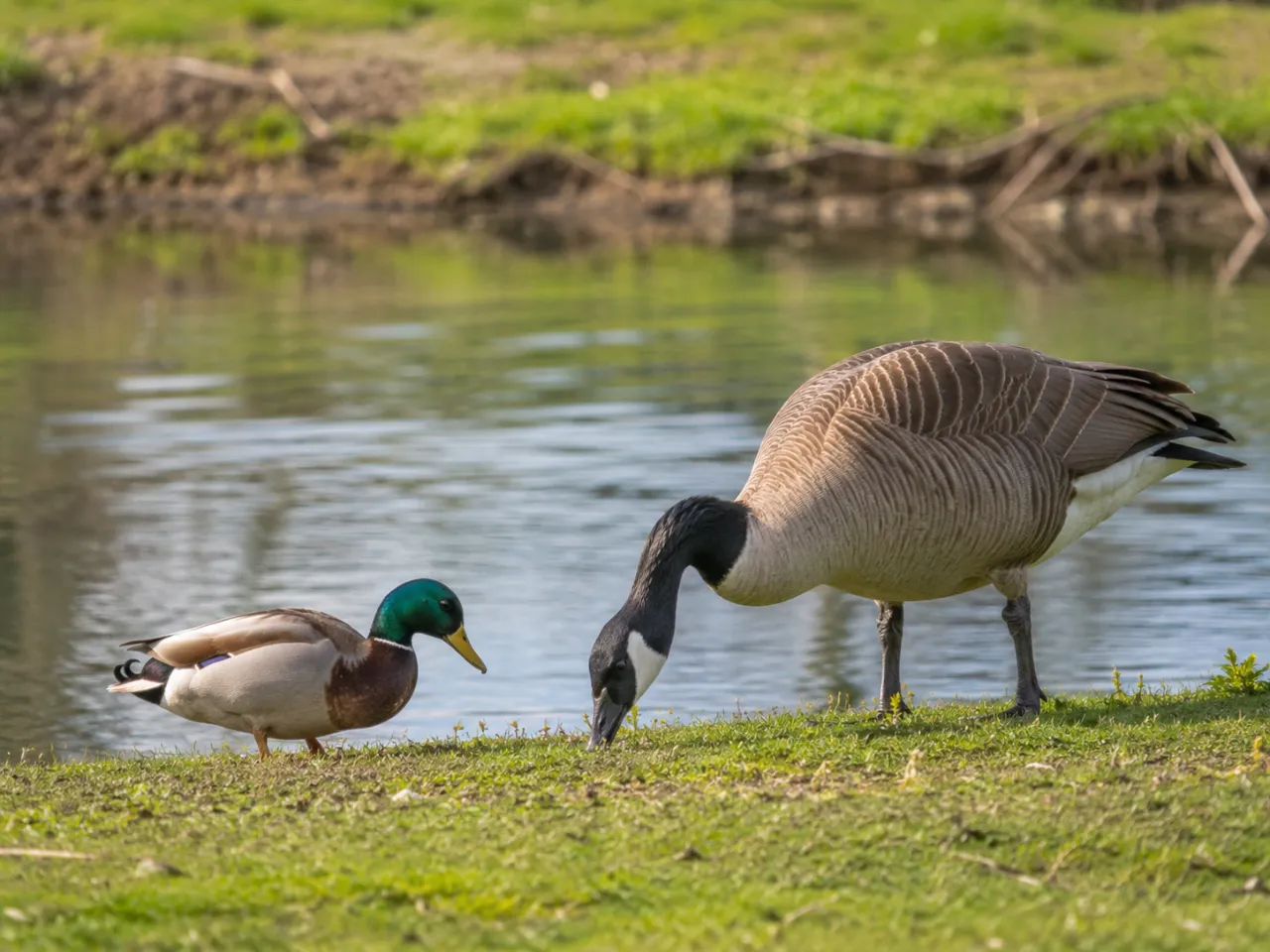
Ducks and geese are both waterfowl in the family Anatidae, but they are easy to tell apart once you know the main clues. Ducks are usually smaller, shorter-necked, rounder, and more varied in feeding style. Geese are usu···
Compare the animals →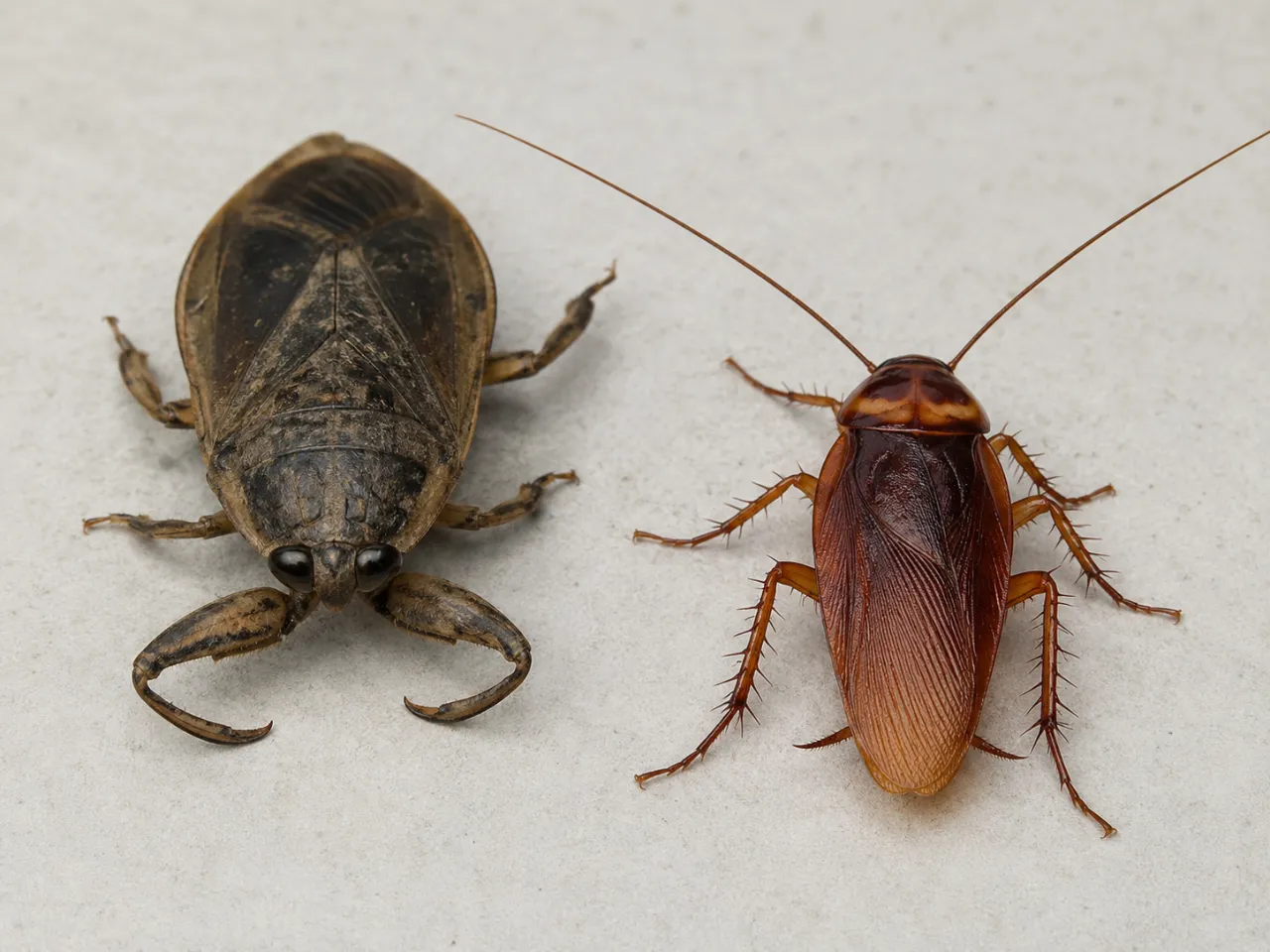
Water bugs and cockroaches are often confused, but they are not the same insect. A true water bug is an aquatic insect that lives in ponds, lakes, marshes, or slow-moving water and may bite if handled. A cockroach is usu···
Compare the animals →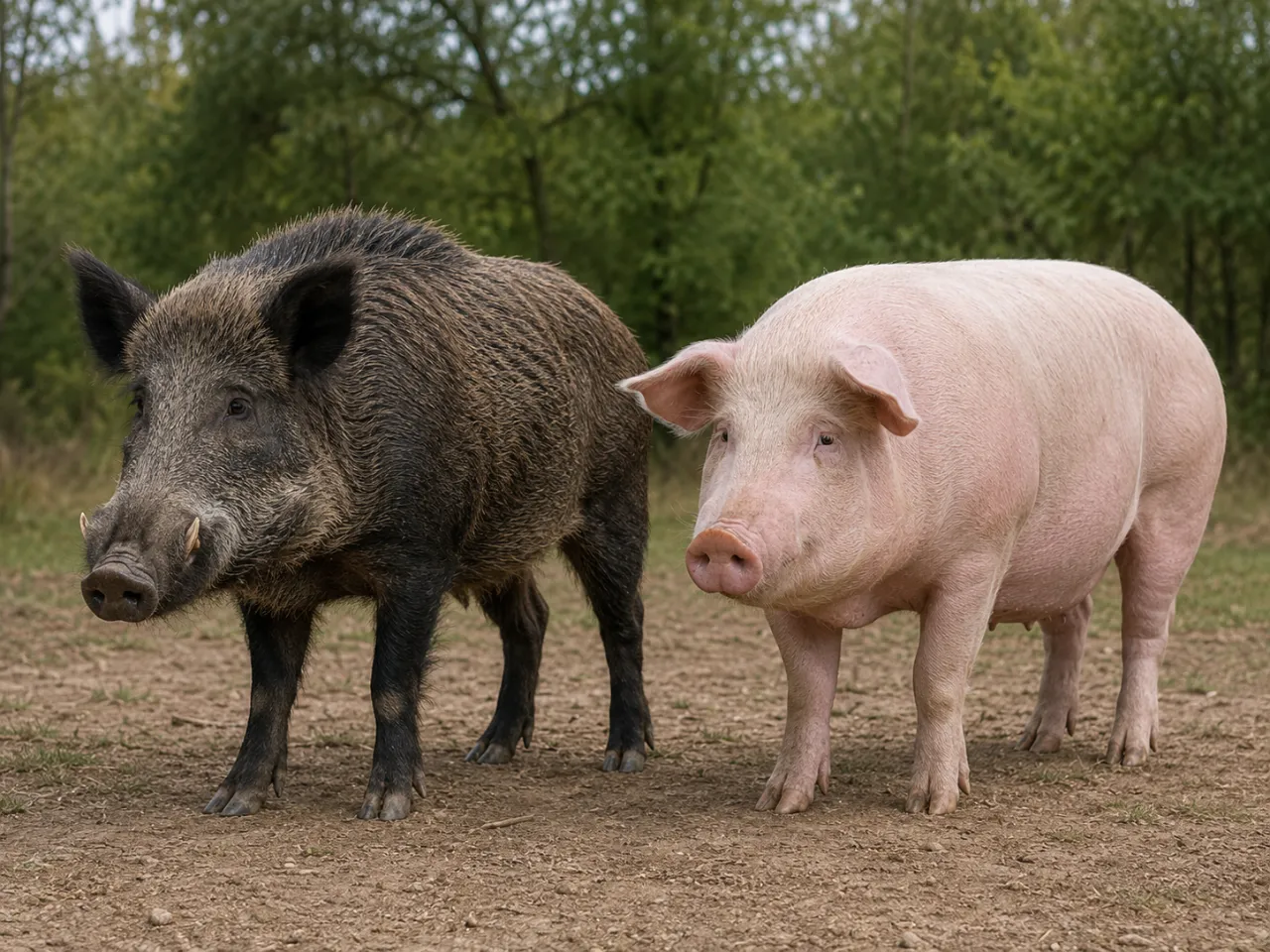
A boar and a pig are closely related, but the words are not always used the same way. “Pig” usually refers to a domestic pig, while “boar” can mean either an adult male pig or a wild boar. In common comparisons, boar···
Compare the animals →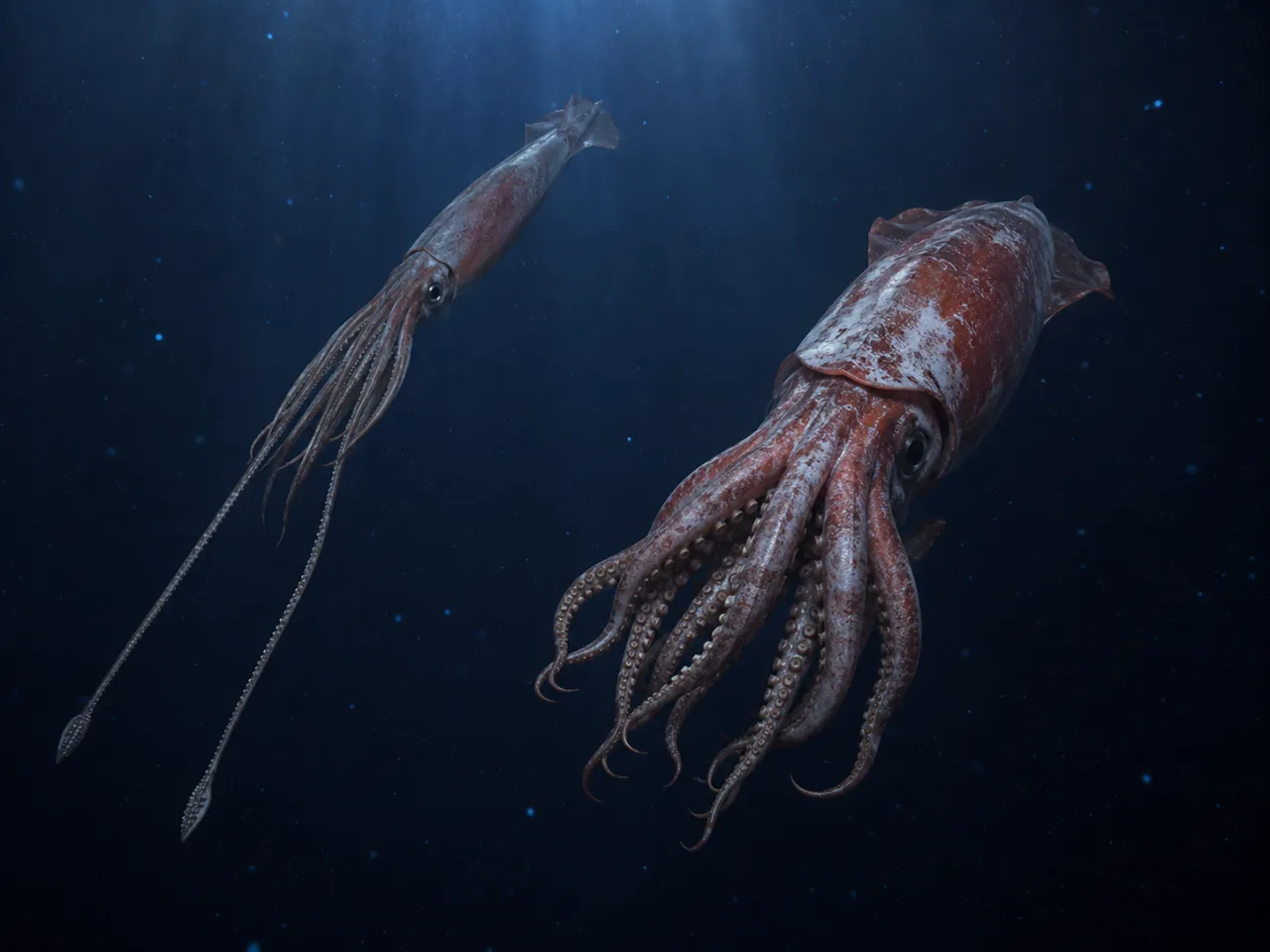
Giant squid and colossal squid are both enormous deep-sea cephalopods, but they are not the same animal. The giant squid is usually longer because of its extremely long feeding tentacles, while the colossal squid is heav···
Compare the animals →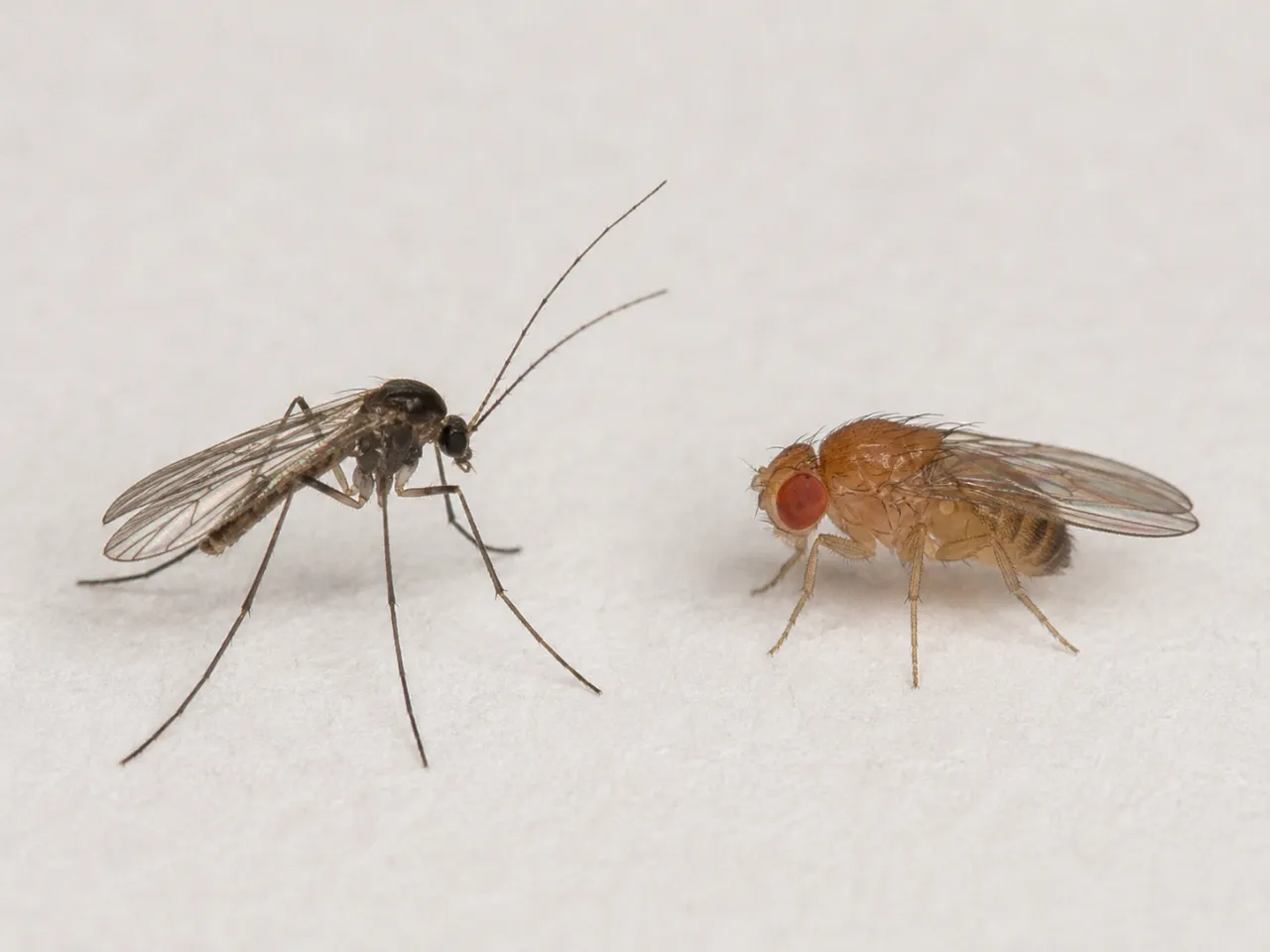
Gnats and fruit flies are both tiny flying insects, but they are not the same. Fruit flies are small tan or brown flies with rounded bodies and often red eyes, usually found around ripe fruit, drains, wine, vinegar, and ···
Compare the animals →See what animals do, how their bodies work and why they evolved distinctive features.