 LC
LC
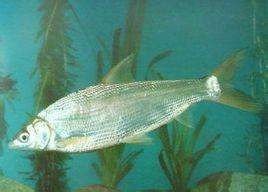
Anabarilius transmontana
Anabarilius transmontana,Mountain Whitefish
Anabarilius transmontana, a species of fish belonging to the Cyprinidae family, is endemic to China.Anabarilius transmontana is a ···
Browse fish profiles across freshwater and marine environments, with a simple size-based directory for quickly exploring species.
Use these shortcuts to move into more specific animal groups.
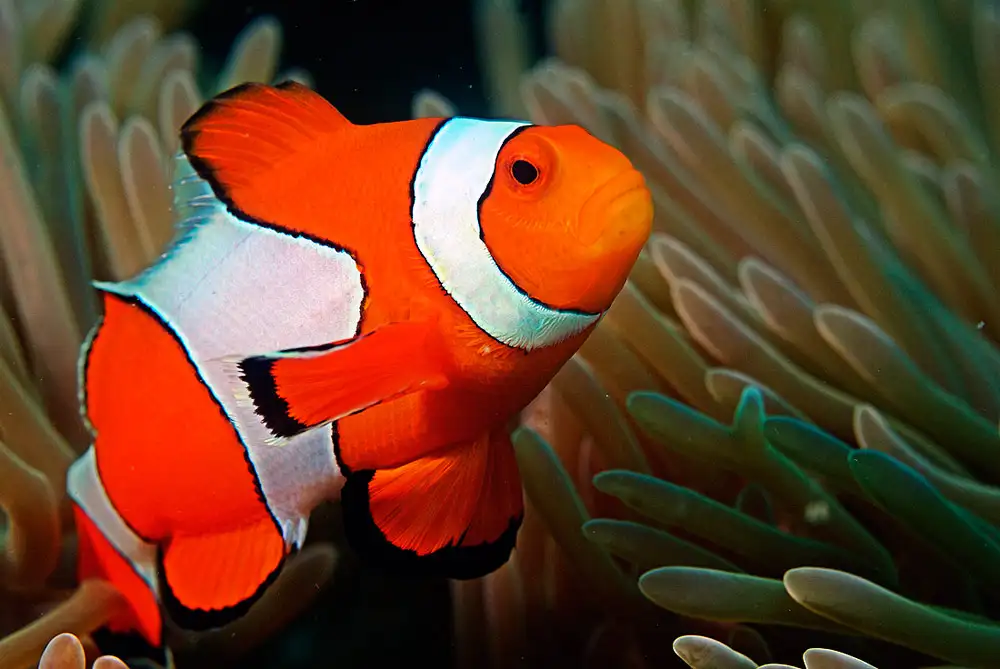
Marine fishs refers to fish that live in the ocean. They are particularly colorful and have strange shapes. They are the future development direction of the ornamental fish industry. Artificial breeding requires certain methods and skills. There are more than 2,000 species of marine fish in my country, including large yellow croaker, giant grouper, salmon, etc. Fish meat is rich in animal protein and phosphorus, rich in nutrition, delicious, easy to digest and absorb by the human body, and plays a significant role in the development of human physical and intellectual strength.
Habitat: Marine fishes (i.e., those living in saltwater habitats) occupy diverse marine ecosystems from coastal intertidal zones and coral reefs to pelagic and deep-sea environments.
Osmoregulation: Because seawater is high in salinity, marine fishes maintain internal ionic balance by regulating water and salt through their gills, kidneys, and skin.
Morphological Diversity: They vary enormously in form, size, and coloration, from giant sharks to vividly colored reef fish, or flatfish adapted to life on the seabed.
Cartilaginous Fishes (Class Chondrichthyes): Includes sharks, rays, skates, and sawfishes, characterized by skeletons made primarily of cartilage and a covering of dermal denticles (placoid scales).
Bony Fishes (Class Osteichthyes): Specifically the subclass Actinopterygii (ray-finned fishes), which make up the majority of marine fish species, such as cod, tunas, groupers, wrasses, flatfishes, etc.
Marine fishes occupy various trophic levels: from bottom-feeders and herbivorous grazers to apex predators, each playing a vital role in marine food webs.
Humans exploit marine fishes for food (fisheries, fish oil, and fishmeal) as well as for aquariums and ornamental trade. Overfishing, pollution, and climate change, however, threaten many populations, prompting calls for conservation and sustainable management.
Origins and Early Evolution
The earliest jawed vertebrates date back to the Silurian–Devonian periods (about 440–400 million years ago), gradually diverging into the cartilaginous and bony fish lineages.
Cartilaginous fishes emerged in the Devonian (e.g., early sharks), evolving along the “shark–ray” lineage that persists today.
Bony fishes diversified significantly in the Carboniferous and Permian, with ray-finned fishes (Actinopterygii) becoming the most numerous and widespread group of extant fishes.
Marine Expansion and Multiple Radiations
Shifting sea levels, climates, and ocean currents across geological epochs opened new habitats for marine fish expansions.
The development of coral reefs spurred adaptive radiation among “reef fish,” promoting diverse forms and colorations.
Coldwater environments allowed groups like the codfishes (Gadiformes) to thrive, while the deep sea is home to specialized species like anglerfishes and scorpionfishes.
Modern Oceans
Through the Cenozoic Era, marine fishes continued to evolve into today’s tens of thousands of species.
Anthropogenic pressures (overfishing, habitat destruction) affect their population dynamics and have led to the need for marine conservation and regulated fisheries.
Below is a simplified classification of marine fishes, divided into cartilaginous fishes and bony fishes, highlighting common or notable orders, families, and representative genera/species. Due to the vast number of species, only a selection of typical groups is provided.
| Order | Family | Representative Genus | Example Species | Distribution & Notes |
|---|---|---|---|---|
| Lamniformes (Mackerel Sharks) | Lamnidae (Mackerel Shark Family) | Carcharodon (White Shark), Isurus (Mako Shark) | Great White Shark (Carcharodon carcharias), Shortfin Mako (Isurus oxyrinchus) | Large, open-ocean apex predators, partial endothermy (regional warm-bloodedness). |
| Alopiidae (Thresher Sharks) | Alopias (Thresher Sharks) | Common Thresher Shark (Alopias vulpinus) | Known for using their elongated tail to stun prey; found in warmer oceans worldwide. | |
| Carcharhiniformes (Ground Sharks) | Carcharhinidae (Requiem Sharks) | Carcharhinus, Galeocerdo (Tiger Shark) | Grey Reef Shark (Carcharhinus amblyrhynchos), Tiger Shark (Galeocerdo cuvier) | Diverse coastal sharks; some species pose risks to humans. |
| Triakidae (Houndsharks) | Mustelus (Smooth-hounds) | Spotted Gully Shark (Mustelus manazo) | Typically found on continental shelves; small to medium-sized coastal sharks. | |
| Myliobatiformes (Rays) | Mobulidae (Manta & Devil Rays) | Manta, Mobula | Giant Manta Ray (Manta birostris), Devil Ray (Mobula mobular) | Enormous “wingspan” (several meters), filter plankton feeders, graceful swimmers. |
| Dasyatidae (Stingrays) | Dasyatis (Stingrays) | Red Stingray (Dasyatis akajei), etc. | Bottom-dwellers with barbed tails, common in tropical & temperate coastal seas. | |
| Heterodontiformes (Bullhead Sharks) | Heterodontidae (Bullhead/Horn Sharks) | Heterodontus | Japanese Bullhead Shark (Heterodontus japonicus), etc. | Small, benthic sharks with specialized dentition for crushing hard-shelled prey. |
(Further cartilaginous fish orders, e.g., other Batoid rays and sawfish, are not all listed here.)
| Order | Family | Representative Genus | Example Species | Distribution & Notes |
|---|---|---|---|---|
| Clupeiformes (Herrings) | Clupeidae (Herrings, Sardines) | Sardinella, Clupea (Herrings) | Pacific Sardine (Sardinops sagax), Atlantic Herring (Clupea harengus) | Filter feeders of plankton; often form large migratory schools; key commercial fisheries. |
| Salmoniformes (Salmons) | Salmonidae (Salmon, Trout)*some diadromous | Oncorhynchus (Pacific Salmon), Salmo (Atlantic Salmon) | Chinook Salmon (Oncorhynchus tshawytscha), Atlantic Salmon (Salmo salar) | Many spawn in freshwater but grow in the ocean; extremely important for commercial and recreational fishing. |
| Gadiformes (Codfishes) | Gadidae (Cods) | Gadus (True Cods), Theragra (Pollocks) | Atlantic Cod (Gadus morhua), Alaska Pollock (Theragra chalcogramma) | Common in cold or temperate seas; important demersal fish resources. |
| Perciformes (Perch-like) | Serranidae (Groupers/Sea Basses) | Epinephelus, Cephalopholis | Tiger Grouper (Epinephelus fuscoguttatus), Coral Grouper (Cephalopholis miniata) | Reef-associated predators, high food value; includes large species known as groupers. |
| Scombridae (Tunas, Mackerels) | Thunnus (Tunas), Scomber (Mackerels) | Yellowfin Tuna (Thunnus albacares), Atlantic Mackerel (Scomber scombrus) | Highly migratory, fast-swimming open-ocean fishes; major global fishery species. | |
| Labridae (Wrasses) | Cheilinus, Thalassoma | Humphead Wrasse (Cheilinus undulatus), Moon Wrasse (Thalassoma lunare) | Reef fishes notable for bright colors; some (e.g., Humphead) grow large and have significant ecological roles. | |
| Serranidae (some groupers/seabasses)*overlaps | Chromileptes (Panther Grouper) | Humpback Grouper (Cromileptes altivelis) | Taxonomic debate; large benthic predators; widely referred to as “groupers.” | |
| Pleuronectiformes (Flatfishes) | Pleuronectidae, Soleidae (Flounders, Soles) | Pleuronectes, Solea, etc. | Turbot (Scophthalmus maximus), Tonguefishes (Cynoglossus spp.) | Laterally flattened, both eyes on one side, benthic lifestyle in coastal or shelf habitats. |
| Tetraodontiformes (Puffers, Mola) | Tetraodontidae (Puffers), Molidae (Molafish) | Arothron, Takifugu (Puffer), Mola (Ocean Sunfish) | Tiger Puffer (Takifugu rubripes), Ocean Sunfish (Mola mola) | Often have tough skin or spines, bizarre shapes (puffers inflate themselves, sunfish have disc-like bodies). |
| Syngnathiformes (Pipefishes, Seahorses) | Syngnathidae (Pipefishes, Seahorses) | Hippocampus (Seahorses), Syngnathus (Pipefish) | Kellogg’s Seahorse (Hippocampus kelloggi), etc. | Unique male brood pouch for incubation; many species with camouflage capabilities and prehensile tails. |
(Additional groups include reef fishes like butterflyfishes (Chaetodontidae), damselfishes (Pomacentridae), scorpionfishes (Scorpaenidae), etc.)
Multiple Evolutionary Origins, Vast Diversity
Marine fishes encompass multiple lineages (e.g., sharks, rays, and numerous bony fish orders). Over hundreds of millions of years, they have undergone repeated radiations in the oceans, driven by environmental changes and niche opportunities.
Varied conditions (temperature, depth, light, and salinity) in the oceans have produced extreme morphological, ecological, and behavioral diversity.
Ecological and Human Importance
From apex predators like sharks to reef grazers and shoaling mid-level consumers, marine fishes maintain ecosystem balance.
Fisheries provide food, fish oil, and fishmeal; aquarium trades and dive tourism highlight their aesthetic and economic value. Sustainable fisheries management and habitat protection are critical for their long-term survival.
Conservation Challenges
Overfishing has drastically reduced populations of many high-value species (e.g., tunas, groupers, sharks).
Climate change is altering sea temperatures and acidification levels, while reef degradation impacts myriad reef fishes.
Establishing quotas, marine protected areas, and international cooperation are vital to ensuring marine fish resources and ecosystems remain healthy.
Through the above introduction and classification list, you can have a deeper understanding of the diverse distribution and evolution of marine fish in modern animal systems, and also understand the status and conservation challenges of marine fish in marine ecology and human society. If you need to further refine to specific families, genera and species (including morphological characteristics, distribution range and protection status, etc.), you can refer to professional fishery or marine biology literature, regional marine fish atlases and the latest academic papers. I hope this information can present you with a detailed "Marine Fish Classification Encyclopedia".
Search the animals shown on this page or narrow them by IUCN conservation code.
LC
Anabarilius transmontana,Mountain Whitefish
Anabarilius transmontana, a species of fish belonging to the Cyprinidae family, is endemic to China.Anabarilius transmontana is a ···
 LC
LC
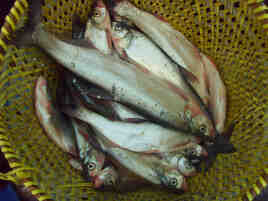
Anabarilius polylepis,Large white fish, peach white fish, multi-scale white fish
Anabarilius polylepis, the Latin name of the multi-scale whitefish, is a fish species unique to Yunnan, China.The main food of mul···
 LC
LC
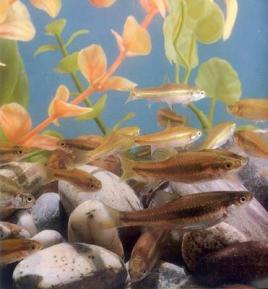
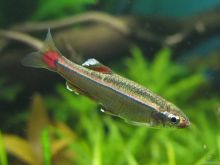
Gobiocypris rarus Ye et Fu,Raregudgeon,Golden white lady, ink line fish, rare goby
The Latin name of the rare gobiocypris is Gobiocypris rarus Ye et Fu, and its foreign name is Raregudgeon. It belongs to the genus···
 LC
LC
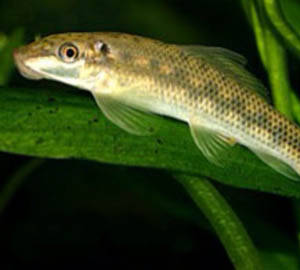
Tanichthys albonubes,White Cloud Mountain Minnow, Baiyunshan fish, Tang fish, Baiyun golden fish, golden fish, redtail fish, Guangdong crucian carp, Pan's crucian carp
The Latin name of the minnow is Tanichthys albonubes, and its foreign name is White Cloud Mountain Minnow. There is no subspecies.···
 LC
LC
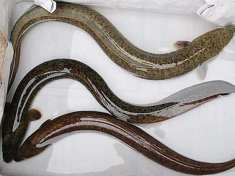
Gyrinocheilus aymonieri,Wall Climbing Fish, Scavenger Fish, Algae Eater Fish, Double-Porifera
The Latin name of the diapsid fish is Gyrinocheilus aymonieri, which is endemic to Yunnan, China.The mouth of the diapsid fish for···
 LC
LC
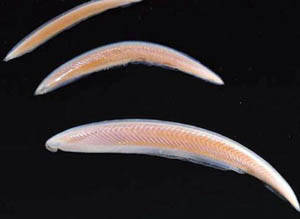
Anguilla marmorata,Marbled eel、Giant Mottled Eel,Big eel, perch eel, flower eel, snow eel, king eel, black ear eel, reed eel, stream eel, stream slide
The Latin name of the flower eel is Anguilla marmorata, and its foreign names are Marbled eel and Giant Mottled Eel. There are no ···
 LC
LC
Pacific Lancelet,Bai's lancelet, lancelet, slug, sea worm, pine worm, headless fish, crocodile worm, Xiamen lancelet, etc.
The Pacific Lancelet is a warm-temperate marine fish with no subspecies.The origin of Xiamen Lancelet, Liuwudian, Tong'an Coun···
 LC
LC
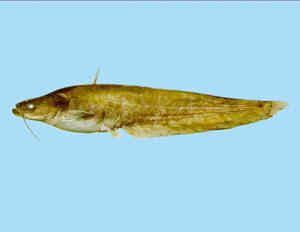
Silurus asotus,Amur catfish, mullet, catfish, catfish, mullet, croaker, croaker, yellow croaker
Catfish is commonly known as pond catfish, also called catfish, belonging to the genus Siluridae and the family Siluridae. It is a···
 LC
LC
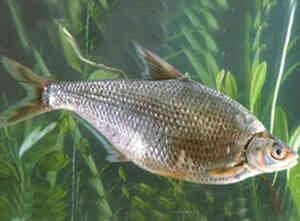
Parabramis pekinensis,Changchun bream, grass bream, oil bream, long-bodied bream, chaotou bream, shrink-necked bream
Bream can grow in still water or flowing water, and generally swims and feeds in the middle and lower layers. In China, it is dist···
 LC
LC
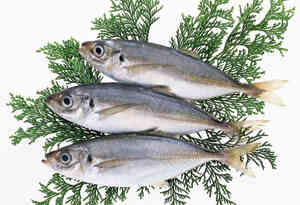
Coilia nasus,Bitter fish, anchovies, hair fish, razorfish, hairy fish
Knife fish, scientifically known as long-jawed anchovy, also known as knife anchovy and hairy anchovy, is a migratory fish. Knife ···
 LC
LC
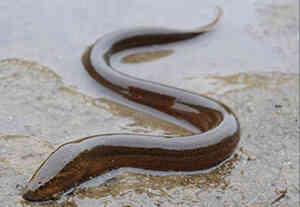
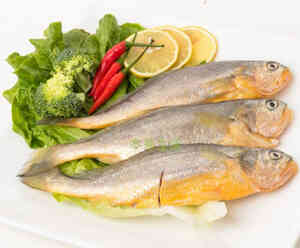
Monopterus albusApodidae, Apodidae, Genus Swiftlet, eel, yellow eel, field eel, field eel, long fish, blood fish, tilapia, scaleless prince
Yellow eel (scientific name: Monopterus albus): also known as eel. It is a tropical and warm temperate fish, a bottom-dwelling fis···
 LC
LC
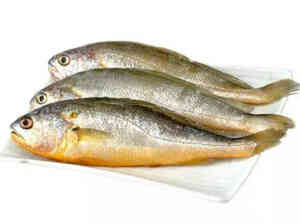
Larimichthys,yellow croaker,Yellow croaker, yellow croaker, kingfish
Yellow croaker, Larimichthys (D. S. Jordan et Starks, 1905), also known as yellow croaker, is a general term for a genus of yellow···
 LC
LC
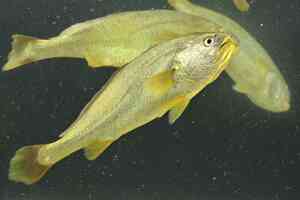
Larimichthys polyactis,Small yellow croaker, plum, plum fish, small king fish, small fresh, small spring fish, small cucumber fish, thick scale fish, flower fish, big eye, ancient fish, yellow scale f
Small yellow croaker is a warm-temperate bottom-dwelling schooling migratory fish. It usually inhabits soft mud or muddy sea areas···
 LC
LC
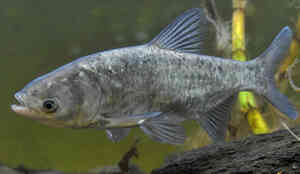
Larimichthys crocea,Yellow croaker, yellow croaker, cucumber fish, golden dragon, big fresh, golden dragon, red melon, sweet-scented osmanthus yellow croaker, king fish, large yellow croaker
Pseudosciaena crocea is a warm and humid nearshore migratory fish. It often lives in the middle and lower layers of water within 6···
 LC
LC
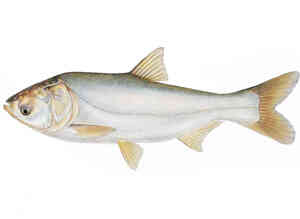
Aristichthys nobilis,bighead、bighead carp,Silver carp, bighead carp, soap carp, black carp, bighead carp, bighead carp, fathead carp, bighead carp, black carp, bighead carp, male fish, pine black
It lives in the middle and upper layers of the main streams of rivers, gentle river bays, lakes and reservoirs. Juveniles and imma···
 LC
LC
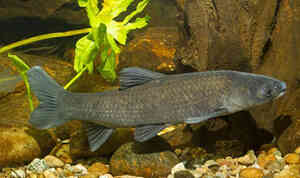
Hypophthalmichthys molitrix,Silvercarp、Chinese Schemer,Silver carp, silver carp, jumping silver carp, silver carp, whale, white bream, white-footed silver carp, foreign fathead, white leaf, white fath
Silver carp generally inhabit the upper layer of the main stream of rivers and their affiliated water bodies. They are lively and ···
 LC
LC
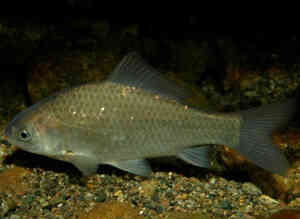
Mylopharyngodon piceus,Black carp,Black mackerel, blue carp, black carp, stream fish, black fish, black fish, snail fish, black fin
The black carp is not as active as the grass carp, but it is much stronger than the grass carp. Black carp is a carnivorous fish. ···
 LC
LC
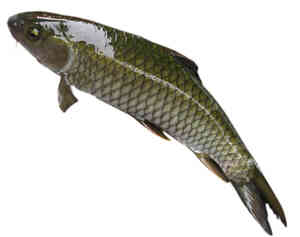
Carassius auratus,Goldfish,Carassius auratus cantonensis Tchang,Xitou, crucian carp, crucian carp seeds, river crucian carp, moon crucian carp, ancient name crucian carp, crucian carp, cold crucian ca
Crucian carp is one of the typical bottom fishes with strong adaptability. It can survive in water with a pH value of 4 or pH valu···
 LC
LC
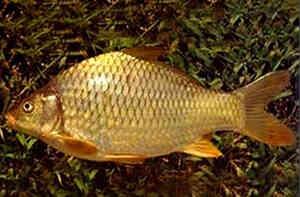
Ctenopharyngodon,Grass carp, grass carp, oily grass carp, grass carp, white grass carp, grass carp, grass carp, thick fish, sea grass carp, mixed fish, black herring, etc.
It is named because it eats grass (Li Shizhen of Ming Dynasty). In Erya, it is also called carp, which is the same as 鰀 (Guangyun···
 LC
LC
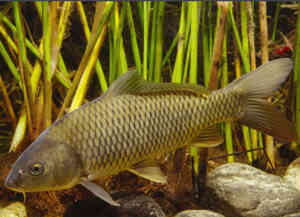
Cyprinus acutidorsalis,Sea carp, sea crucian carp, triangular carp
Sharp-finned carp is a unique species of carp that lives in the brackish and freshwater waters of a few estuaries in the South my ···
 LC
LC
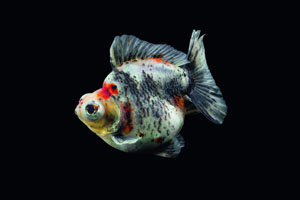
Cyprinus carpio,Common carp, carp, hairy fish, red fish, carp
The scales have the character "十" in Wenli, hence the name carp (Li Shizhen's "Compendium of Materia Medica&qu···
 LC
LC
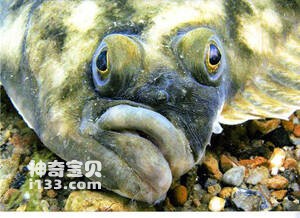
Red and White Dragon-eye with Tiger-head
The Flowery Dragon Eye is famous for its beautiful red and white markings. As one of the ornamental fish, it is deeply loved by pl···
 LC
LC
Pleuronectiformes,heterosomata,flounder
Flounder is a general term for fishes of the order Plaice. It has no swim bladder and feeds on worms, crustaceans and other animal···